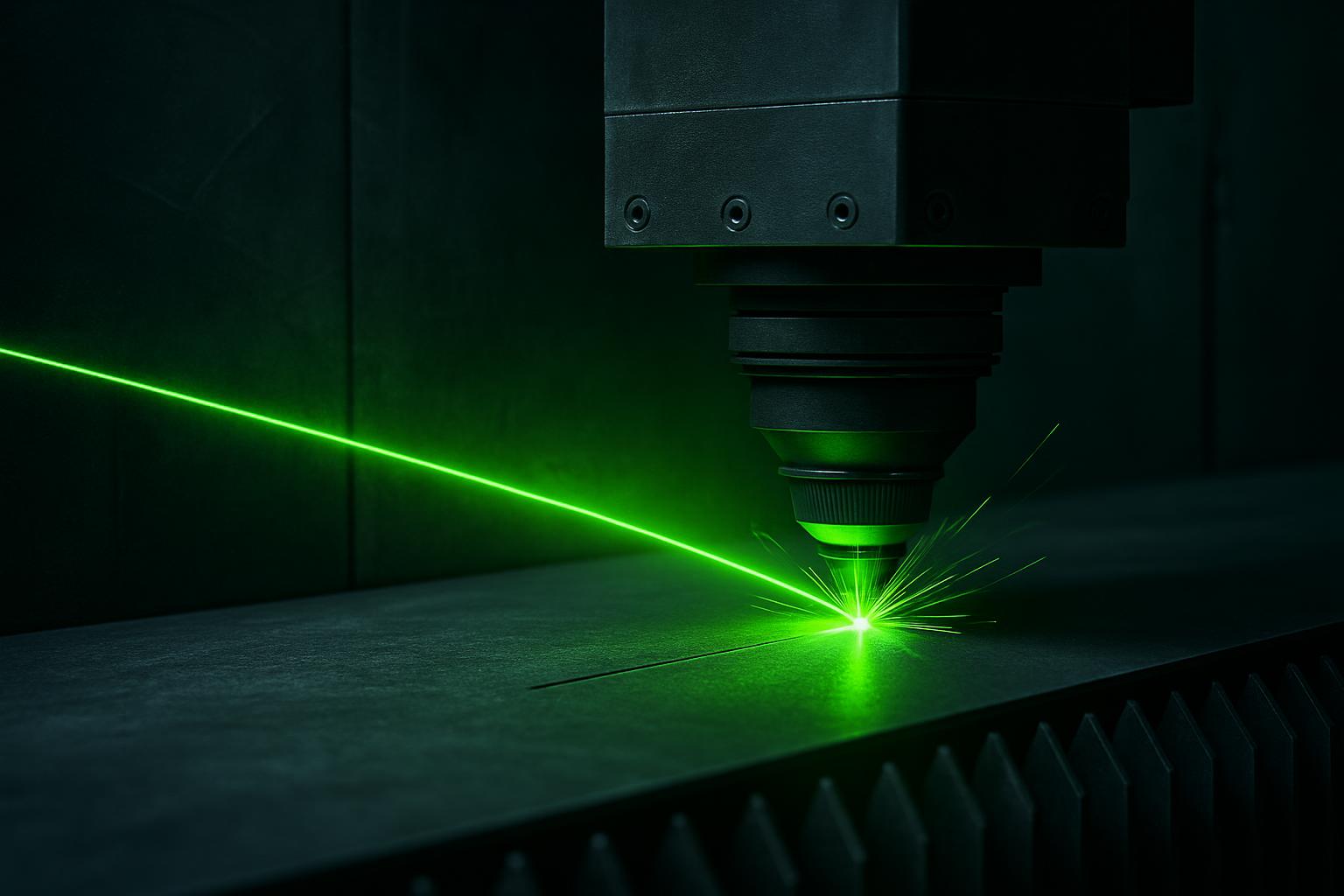
Dual head
DualHead Mark
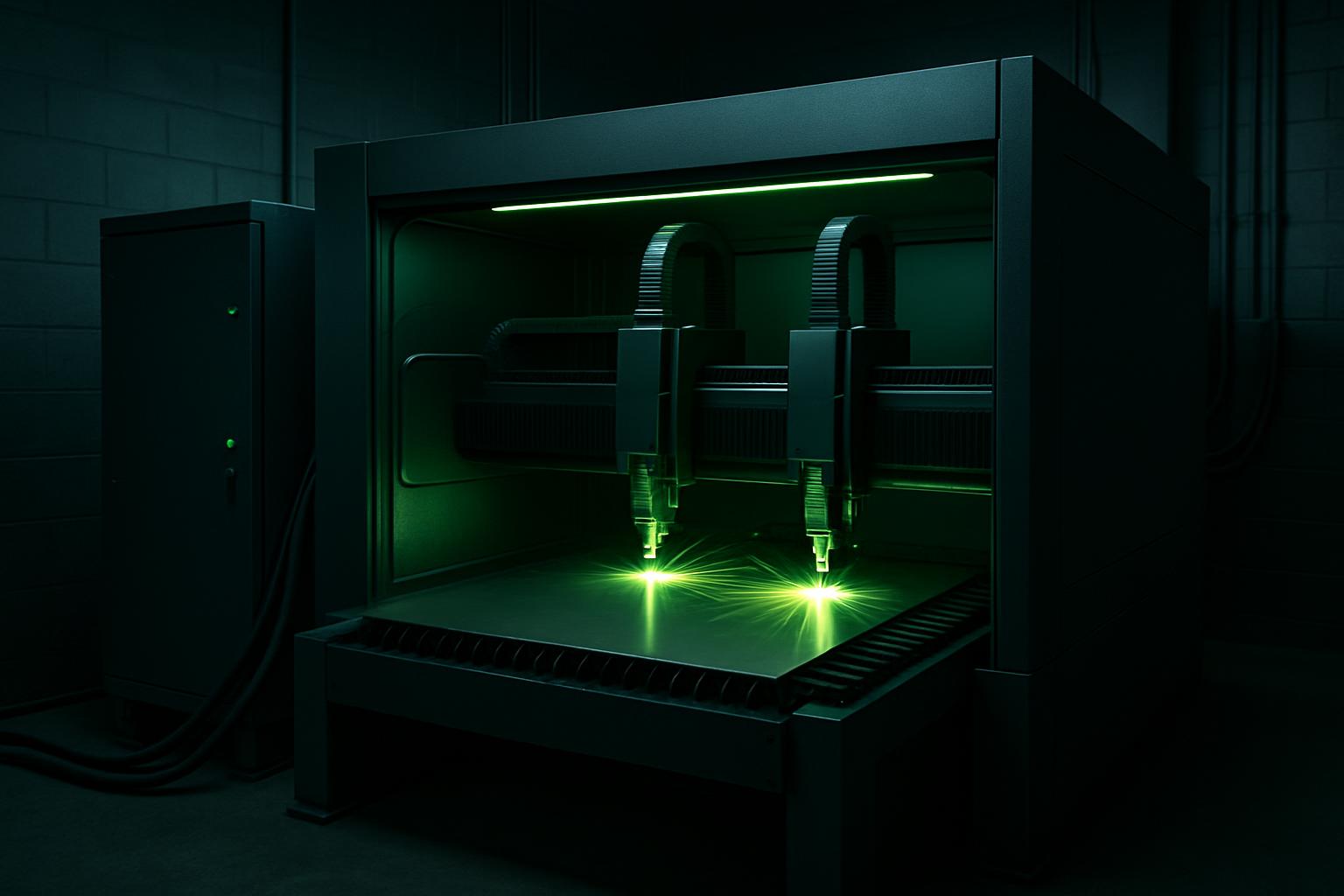
DualHead Mark puts two fibre marking heads, one flat, one rotary, on a single cell, so you can switch between flat and round parts without the downtime of head swaps.
What DualHead Mark does best
DualHead Mark is designed for South African workshops that produce a mix of flat and round metal components. With two separate fibre marking heads, one set for flat workpieces and the other for rotary marking, there’s no need to keep swapping fixtures or re-aligning for different shapes. This makes it ideal for automotive bracket lines, electronics chassis, or any production cell where flat plates and tubes come through in the same shift.
Each head runs from a shared recipe library, so you load the job and let the right head handle the part. The result is less fiddling with setup and more time actually marking components, which matters when production batches change fast.
How it performs on a busy floor
On a real production line, DualHead Mark means your operators don’t lose time retooling or fighting for a single marking lens. One head and fixture stays rigged for flats, sheet tags, brackets, panels, while the rotary side handles tubes, pins, or parts with curved surfaces. The line cycle-time cues and shared mark recipes keep things consistent between jobs.
Operators can switch between flat and rotary jobs in minutes, not hours. So when a batch of round tags comes in after a tray of brackets, you just load, fixture and start, no risky lens changes or parameter scrambles. If you get the wrong head set up, the software warns you before firing, which stops a lot of the usual workshop mishaps.
Choosing DualHead Mark versus other systems
If your shop only marks flat work or only round parts, a single-head cell like Mark Pro 30 or BeamDesk Mini is often enough. DualHead Mark shines when you have both, especially on high-mix lines where every minute counts. It cuts the changeover time and confusion that comes from moving tools and recipes between jobs.
For deep engraving or micro-marking on fine electronics, look to EngraveFab 50 or MicroMark Lab. For on-site asset marking, FieldMark Portable is more practical. But if you need both flat and rotary marks in the same workflow, DualHead Mark keeps your line organised.
Site requirements and safety notes
DualHead Mark is a Class 4 laser system in normal use, as the marking cell is open-frame and both heads can expose operators to invisible near-infrared radiation. Under South African law, import and use of Class 4 lasers is licensed through SAHPRA's Radiation Control, and you must follow OHS Act regulations for guarding, interlocks, emergency stops and operator training.
The cell runs from a 230 V single-phase supply, but check your site has a proper certificate of compliance. You need local exhaust extraction with filtration to remove metal fume and fine dust from marking, especially on galvanised or stainless parts. Always wear the correct fibre laser-rated eyewear, CO2 laser glasses protect at 10.6 micrometres, not at the 1064 to 1080 nm range of fibre lasers. Dont ever bypass interlocks or run the cell in an unventilated space.
Quote and sample marking details
To quote DualHead Mark for your line, or to run a sample mark, we need clear details on your parts and marking needs. Part drawings, material and marking content let us match the right fixture and recipe.
Use our contact form to send your request. We will confirm receipt and let you know if we need samples or drawings for a first-article review at Sunnyrock HQ.
- Photos or drawings of typical parts (flat and round)
- Material and surface finish details
- Marking type (engraving, annealing, ablation, data matrix, etc.)
- Sample mark artwork or code data
- Expected production quantities and mix
- Any site or safety requirements we should know about
Related pages
Cuts & beam notes
What our Fibre Laser customers say
Verified Google reviews