Edge prep
WeldPrep Beam
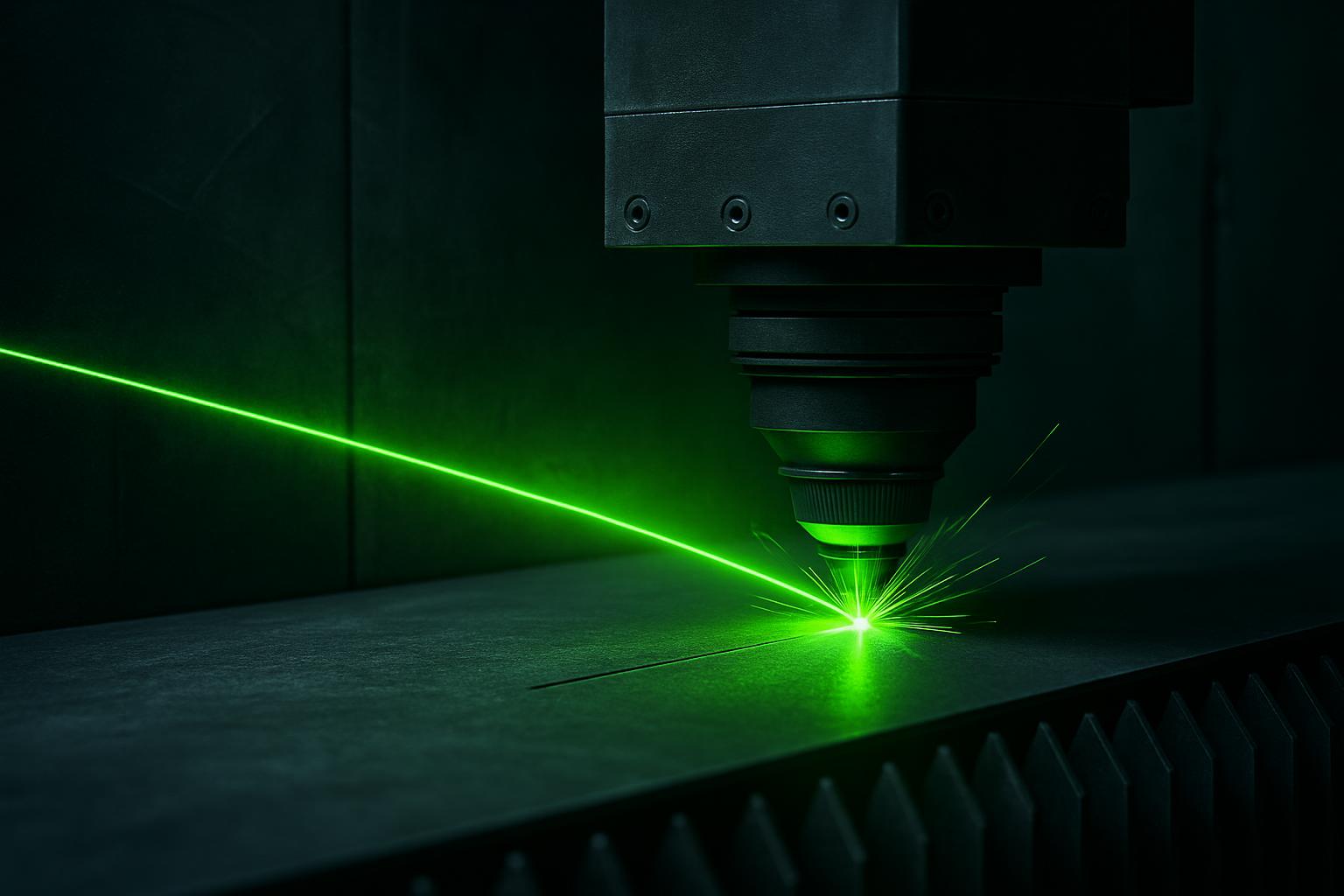
WeldPrep Beam shapes clean bevels and edge preps on plate and structural sections, cutting grind time and giving welders accurate cues before assembly.
Where WeldPrep Beam fits in metalwork
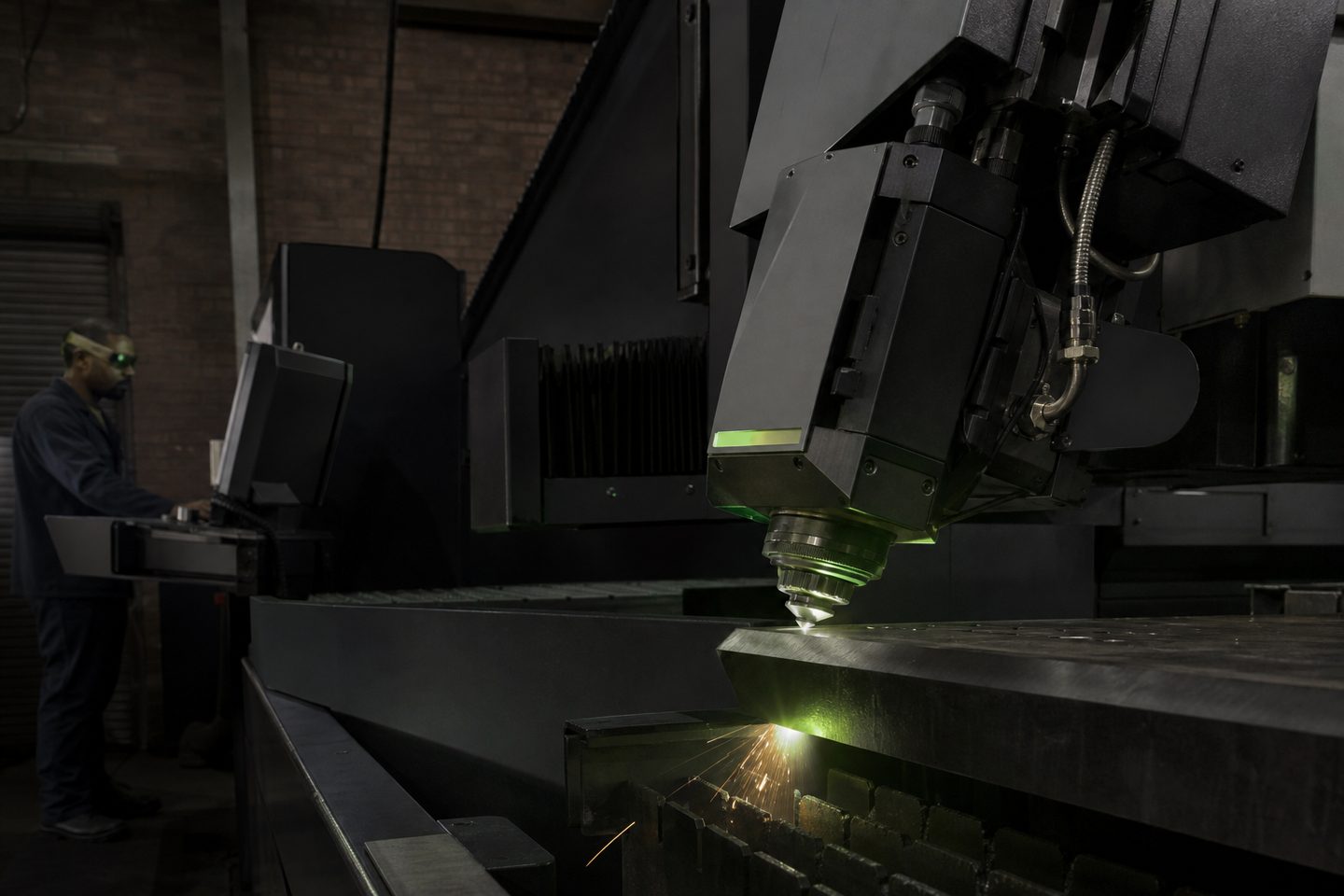
WeldPrep Beam is built for shops that need consistent, weld-ready edges on structural steel, thick plate or tube before welding. It produces accurate bevels and prep features directly after cutting, giving fabricators a repeatable edge that matches the job’s weld detail or drawing.
This system finds the most value in yards that handle architectural metalwork, trailer chassis, mining repairs, or any job where edge grind time and weld quality matter. Using WeldPrep Beam, you can hand welders a part with a clear prep note and a clean edge, reducing the risk of missed bevels or over-grinding.
How WeldPrep Beam performs on the floor
Once paired with a PlateGate XL or TubeCut R8 cell, WeldPrep Beam applies the right bevel or edge cue alongside the main nest brief. The result is less time on the grinder, fewer disputes over edge quality, and welders starting work with clear, standardised instructions.
WeldPrep Beam’s output is a direct bevel or prep feature with a short cue note, making it easy to match each edge to the weld plan. QA checks can focus on actual grind time, not chasing missing details. Shops that have tried to log bevels by hand know how quickly that goes wrong; WeldPrep Beam puts everything next to the cut order.
Choosing WeldPrep Beam compared to other cells
If your main challenge is preparing plate or tube edges to weld-ready condition, WeldPrep Beam is the fit. PlateGate XL handles thicker and larger plate, while TubeCut R8 is for rotary tube work. WeldPrep Beam integrates with both, but is chosen when edge prep must be precise and documented.
For general sheet cutting without special edge work, CutLine 1500 is usually the better choice. If bevels and edge notes drive your quality or scheduling, add WeldPrep Beam to your workflow rather than doubling up jobs on other cells. Its the right call when jobs need repeatable bevels and less manual rework.
Site setup, safety and requirements
WeldPrep Beam uses a high-power fibre laser, operating in the invisible near infrared. The open beam is Class 4, which means eye protection at the correct optical density for fibre lasers is compulsory whenever the beam path is exposed. Never rely on glasses made for CO2 lasers, as they don’t protect against fibre wavelengths.
In South Africa, the use and site for Class 4 lasers must be licensed by SAHPRA’s Radiation Control. OHS Act and Driven Machinery Regulations mean WeldPrep Beam needs guarding, interlocks, trained operators and emergency stops. Install a local exhaust system to remove metal fume and dust, especially when working with stainless or galvanised. WeldPrep Beam cells typically need a 400 V three-phase supply and a dedicated water chiller to keep the laser source and optics within spec.
Quote and sample requirements
To get a quote or see sample edge preps, send us a message through our contact form with your job’s details. That helps us match the WeldPrep Beam setup to your actual workflow.
Our applications team at Sunnyrock HQ can run first-article reviews or edge prep samples if you supply:
- Material grade, thickness and planned cut size
- Weld spec or type of joint and bevel angle
- CAD drawing or PDF with edge prep details
- Production volume or batch size
- Any QA or finishing requirements
Related pages
Cuts & beam notes
What our Fibre Laser customers say
Verified Google reviews