Cut
Architectural metal
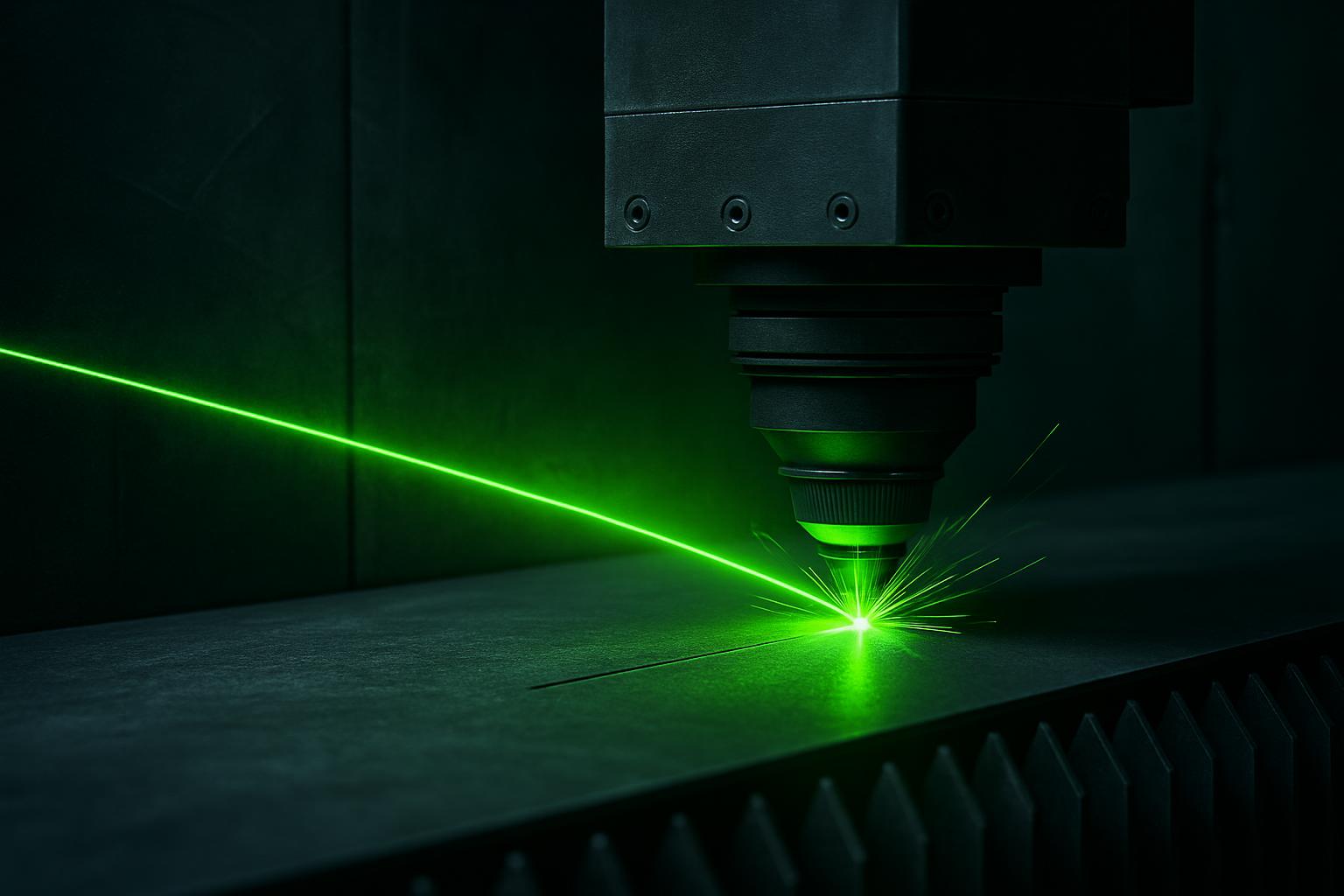
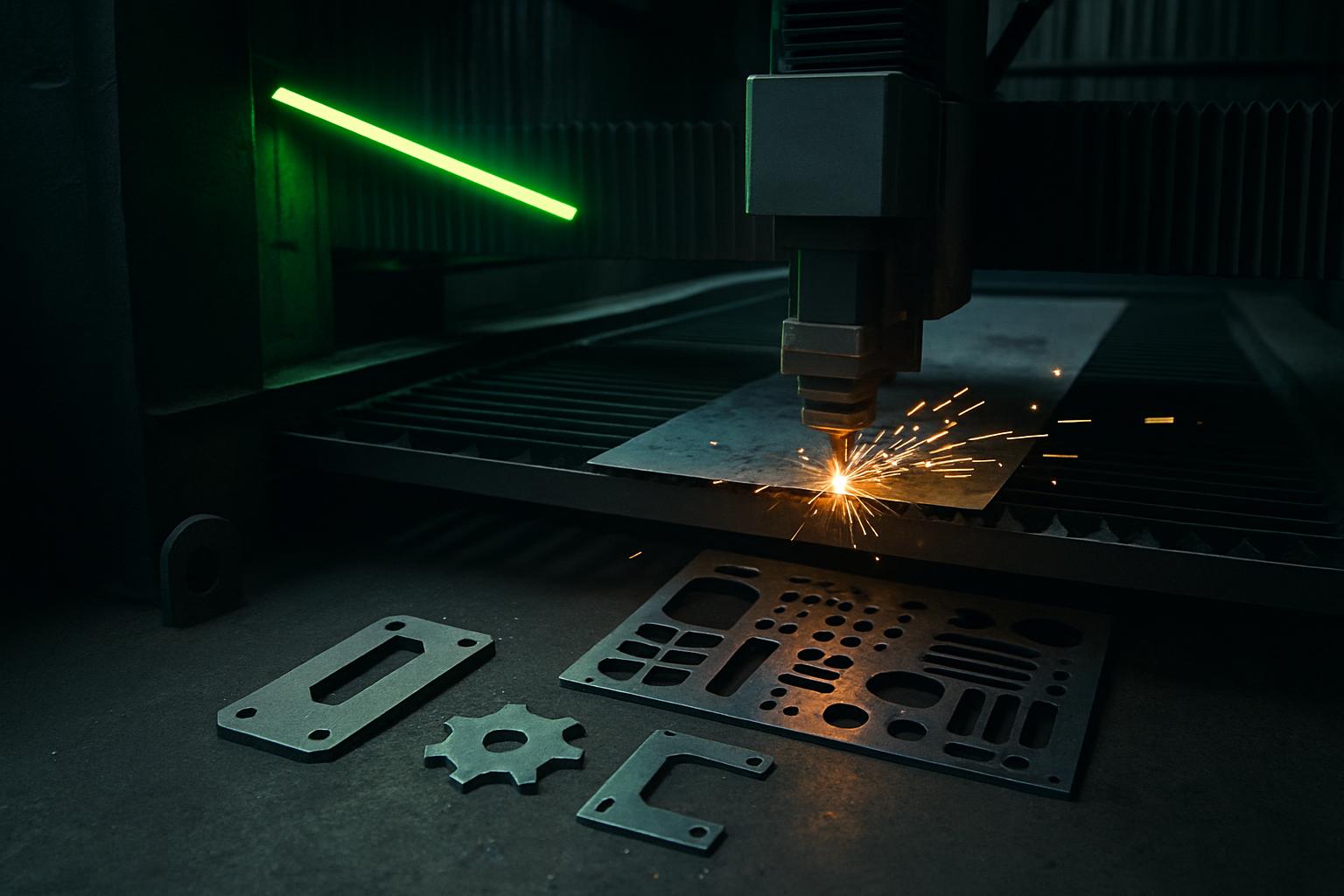
Architectural metal work in South Africa often means custom facades, decorative screens, and structural trims in stainless, aluminium, and mild steel. Fibre lasers make detailed patterns and clean edges practical for busy shops.
Systems
Start with these systems
Sheet cutting
CutLine 1500
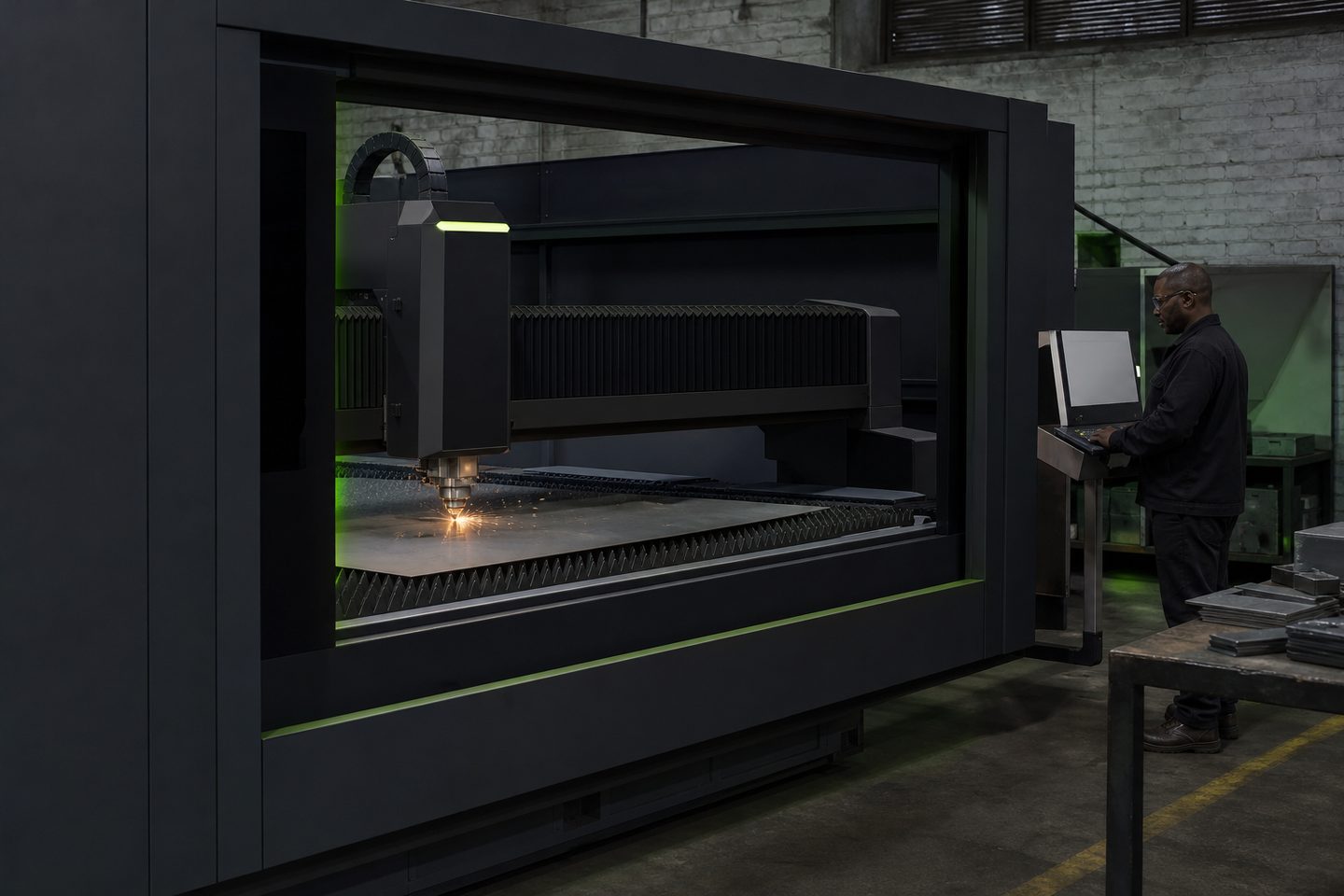
A production-ready fibre laser platform for sheet-metal work and repeatable cut quality on Gauteng floors.
Explore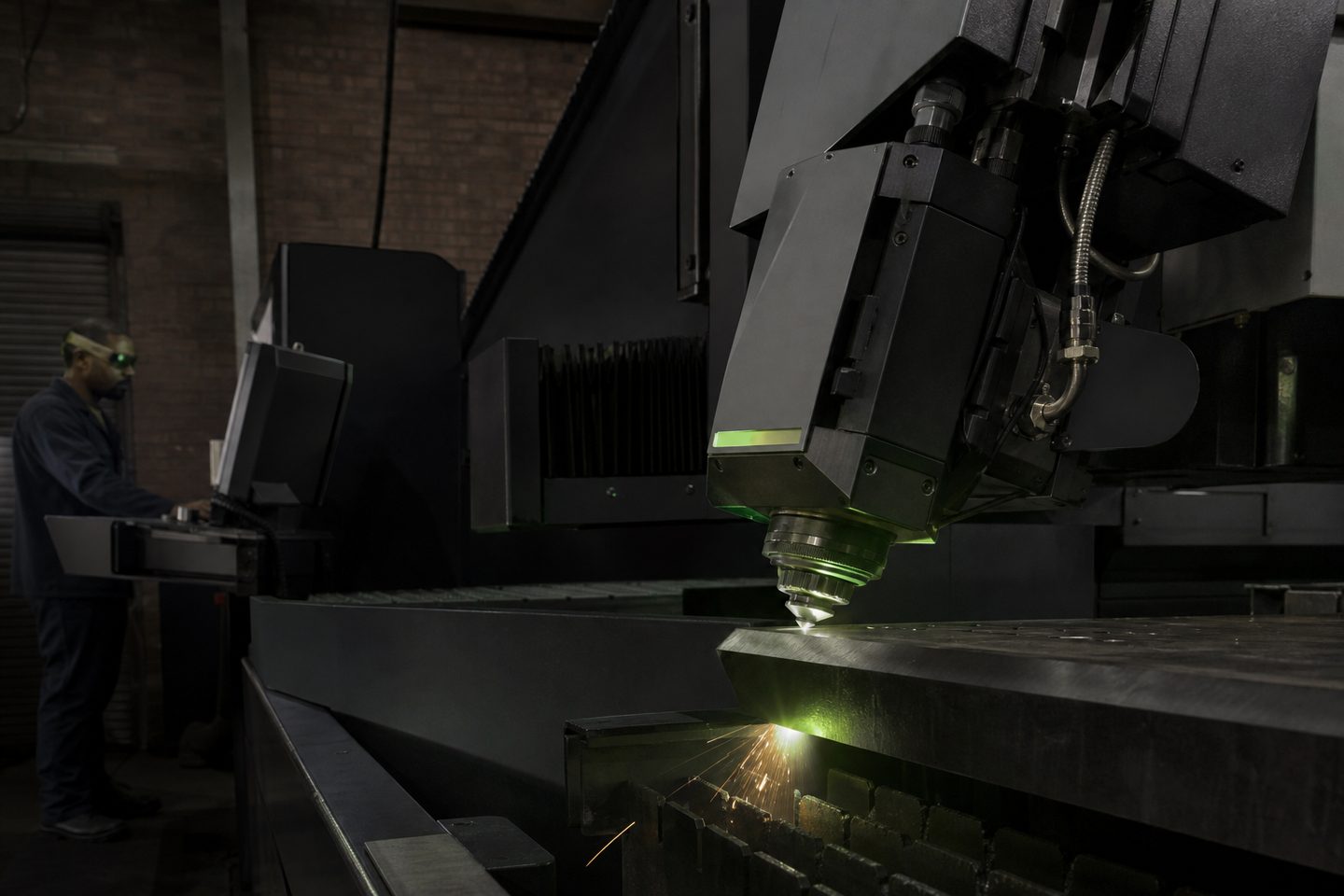
Edge prep
WeldPrep Beam
Beam edge-prep notes that leave welders with clean bevels and less grind time on structural and plate jobs.
Explore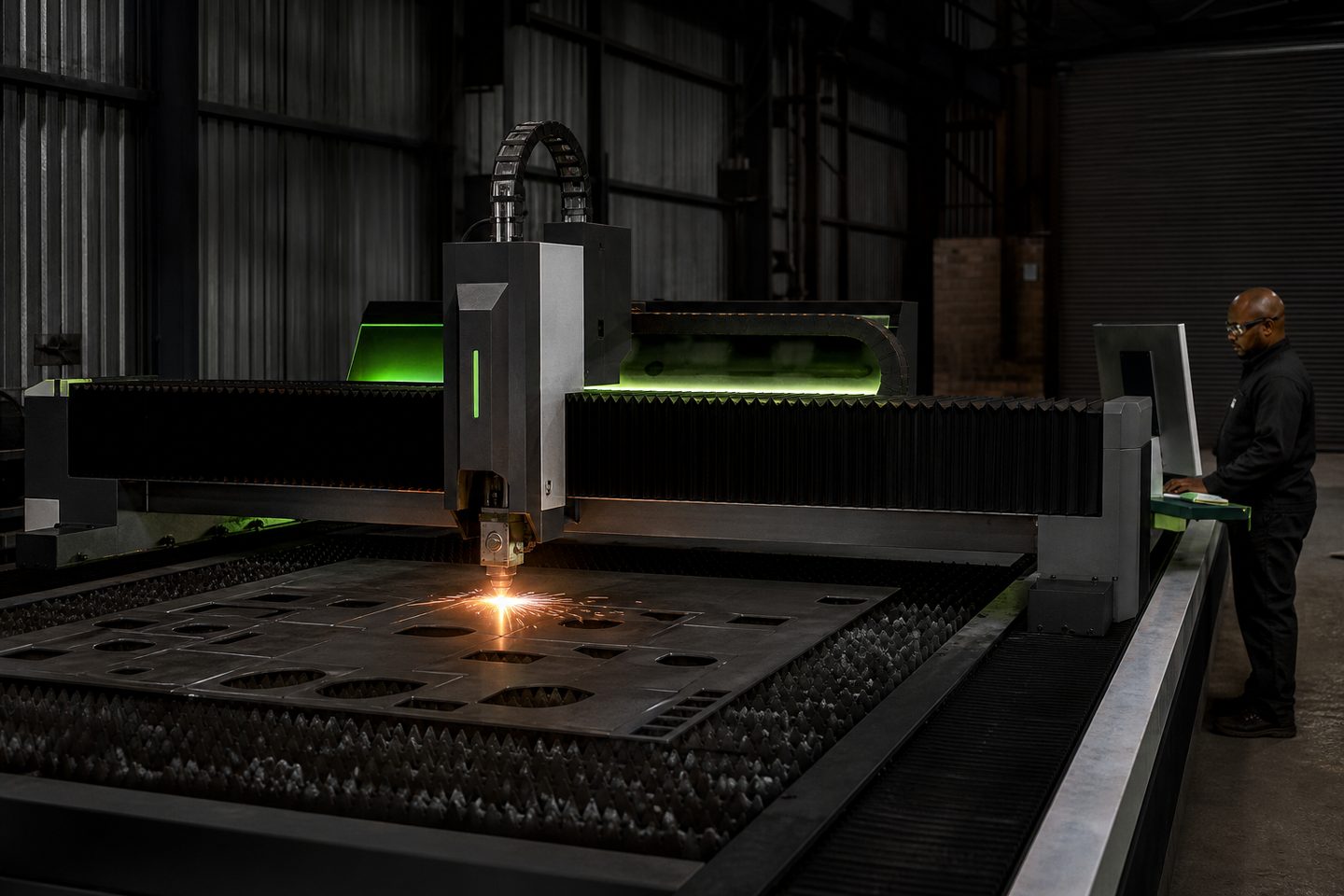
Heavy plate
PlateGate XL
A larger bed fibre cell for thicker plate work, wear parts, and mining-adjacent fab where pierce discipline matters.
ExploreTypical architectural metal parts and materials
Most architectural metal jobs we see call for stainless steel, aluminium, or mild steel in sheet form. Facade panels, perforated sun screens, feature balustrades, trims, and vent covers are common. Stainless grades 304 and 316 are popular for their corrosion resistance, especially near the coast or in food and medical settings. Mild steel is often used for powder-coated screens and feature work, while aluminium suits lightweight cladding, signage, and decorative panels.
Material thicknesses in this sector range from 0.9 to 3 mm for decorative screens up to 6 mm or more for structural elements and heavy trims. Many shops cut galvanised sheet, which needs fume extraction for zinc. Copper and brass are sometimes used for premium features, though these are less common.
Choosing the right fibre laser system
We recommend the CutLine 1500 for most architectural sheet work. Its 1500 mm class bed suits panel sizes for facades, signage, and screens without constant repositioning. The repeatable cut quality allows for tight fit-ups and detailed geometric patterns.
For thicker plate or extended facades, the PlateGate XL cell handles larger beds and heavy material well, useful for urban installations and wear-resistant architectural details. The WeldPrep Beam is the go-to for edge bevels and prepping weld seams on trims, supports, and balustrade elements before site assembly.
How a typical laser job runs from drawing to finished part
A standard job sequence for architectural metal cutting looks like this. Coordination between design, shop floor, and finishing is essential for best results.
- Receive drawings in DXF or compatible format from architect or design team
- Review material type and thickness, confirm stock on hand, and check for coating requirements
- Set up nesting on SheetNest Pro to minimise waste and align grain or patterns where needed
- Select the correct system (CutLine 1500, PlateGate XL, or WeldPrep Beam) and load the programme
- Check protective window under the cutting head and set assist gas (nitrogen for clean edges on stainless and aluminium, oxygen for mild steel)
- Cut parts, inspect for dross, burrs, or warping. Run trial fits or dry assemblies if needed
- Prep edges for welding or fit-up. Perform surface finishing, brushing, polishing, powder coating, per client spec
Common quality problems and how to prevent them
We often see issues with burrs on aluminium, oxide build-up on mild steel edges, or warping of large facade panels. To avoid these, always use the correct assist gas: nitrogen for bright, oxide-free stainless and aluminium edges, and oxygen only where an oxide layer will be removed later.
Edge quality suffers if the protective window is dirty or cracked. Check and clean it daily. Thin or perforated panels may distort from heat: reduce power, increase cutting speed, and support workpieces to prevent shifting. Always extract fumes, especially when cutting galvanised sheet, to keep the shop safe and prevent surface staining.
What to send us for sample parts or a process review
For a first-article cut or to review your process, send us a DXF or PDF drawing with part dimensions, the intended material grade, and finish requirements. If you have a specific application, add a photo or sketch of where the part fits in the project.
Our applications team at Sunnyrock can run sample cuts or edge preps, and advise on best settings for your jobs. Use our contact form and attach your files, all details stay confidential under POPIA.
What our Fibre Laser customers say
Verified Google reviews