Cut
Trailer and chassis fab
Trailer and chassis builders rely on precise tube mitres, plate brackets, and accurate weld preps for strong, consistent assemblies. Fibre lasers let you cut, prep, and nest these parts efficiently.
Systems
Start with these systems
Tube cutting
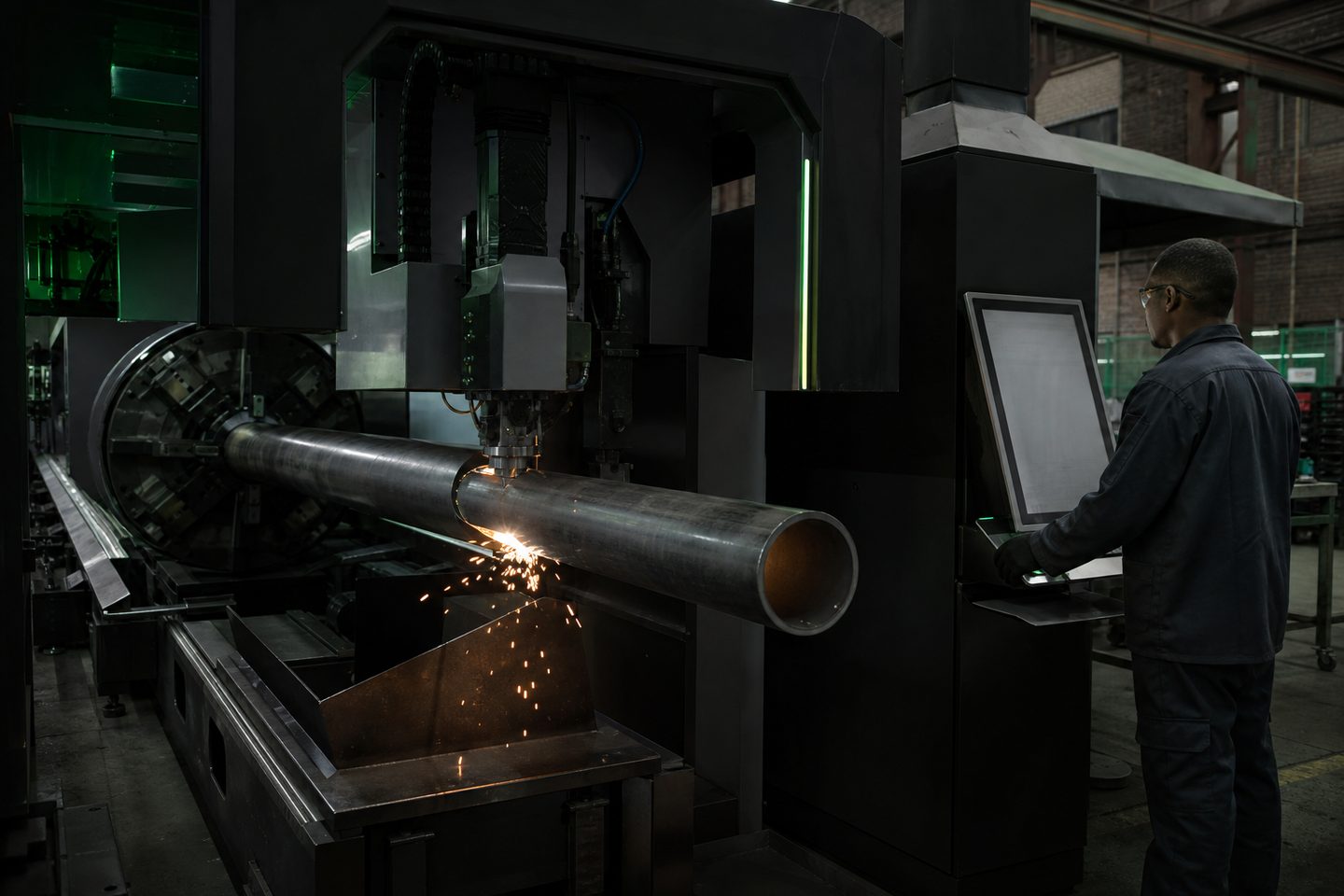
TubeCut R8
Fibre tube cutting for frames, handrails, and agricultural tube profiles common on SA fab floors.
Explore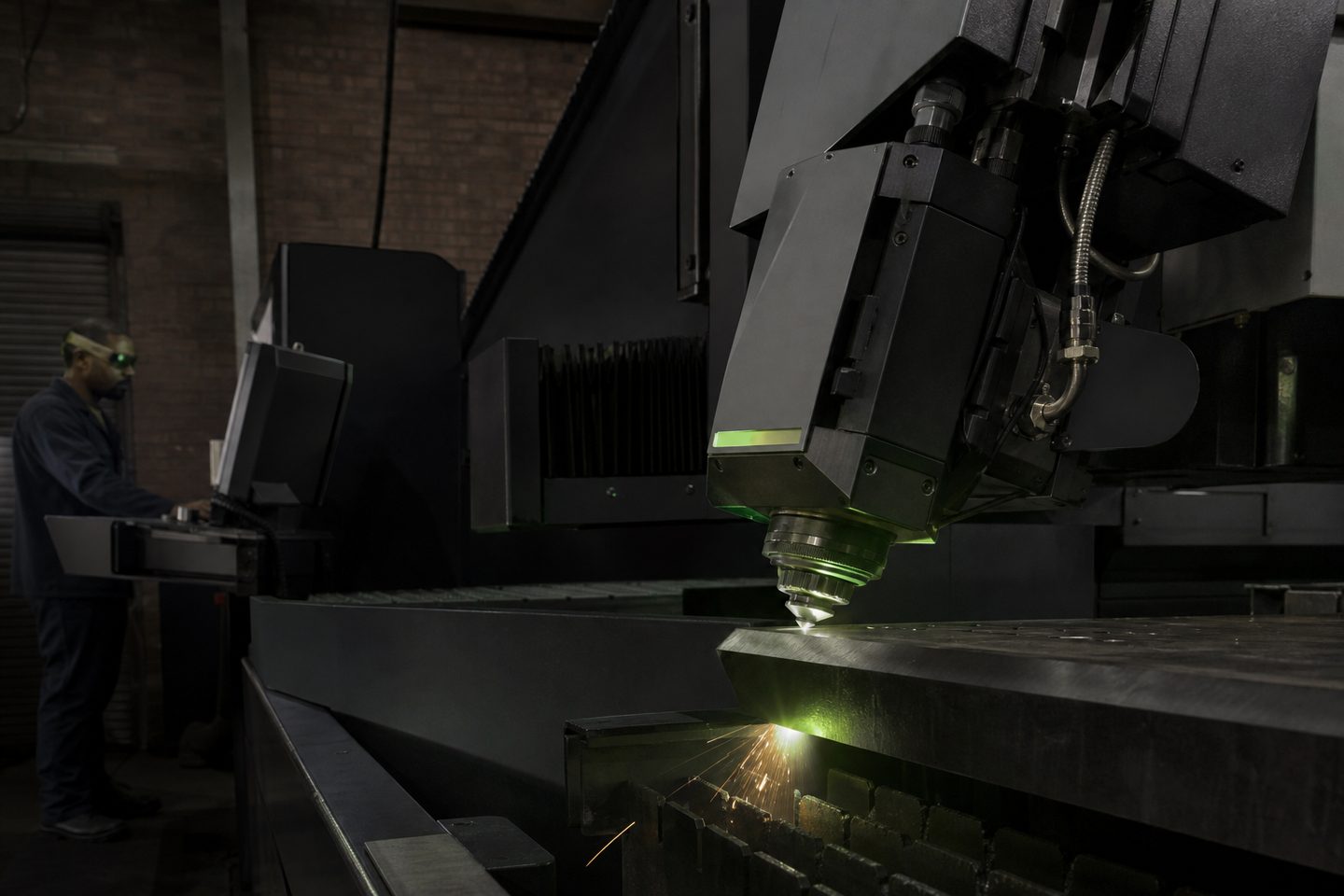
Edge prep
WeldPrep Beam
Beam edge-prep notes that leave welders with clean bevels and less grind time on structural and plate jobs.
Explore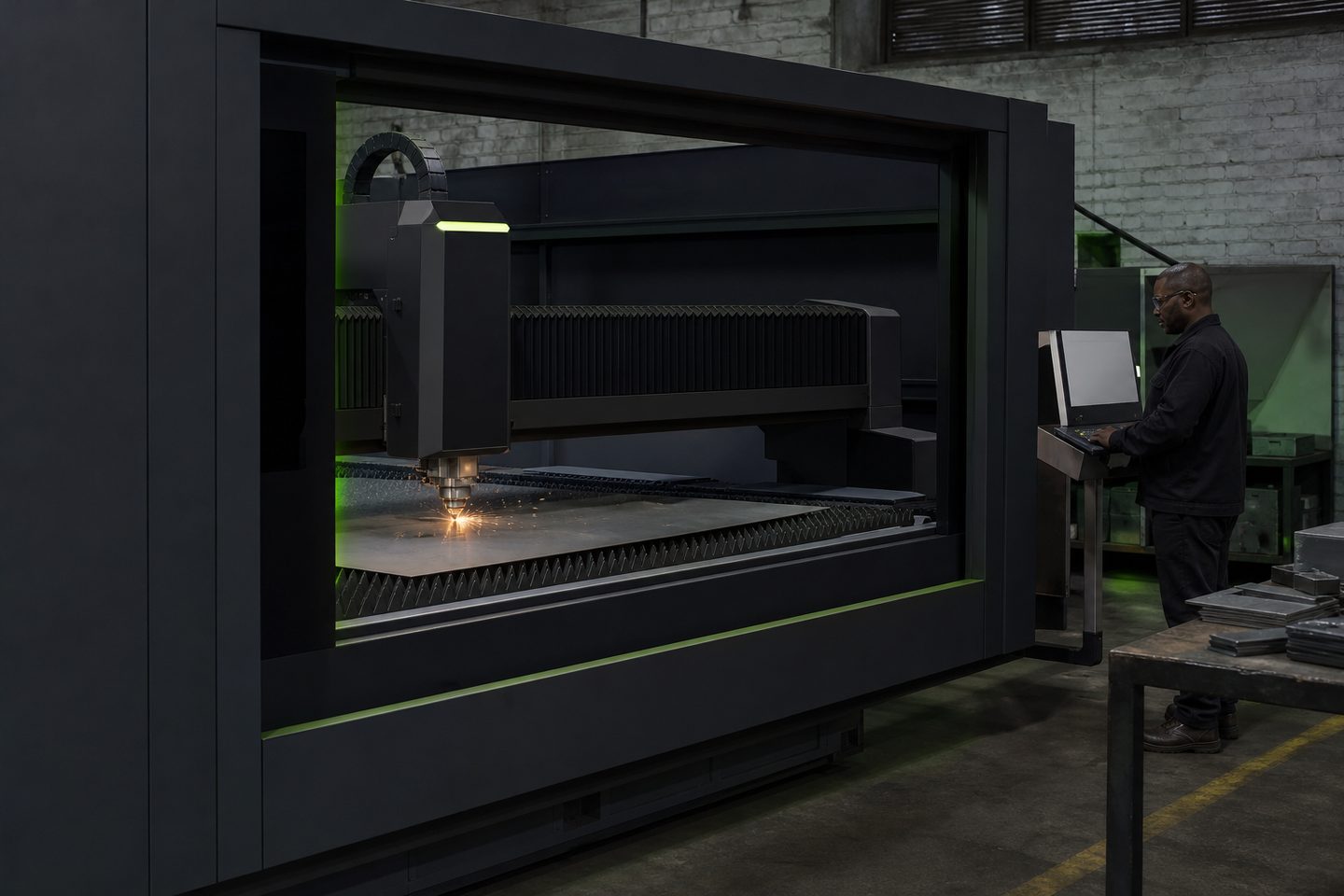
Sheet cutting
CutLine 1500
A production-ready fibre laser platform for sheet-metal work and repeatable cut quality on Gauteng floors.
ExploreCommon trailer and chassis parts and materials
South African trailer and chassis fabrication shops typically work with mild steel, galvanised steel, stainless, and aluminium. Parts include main chassis rails, crossmembers, drawbars, mounting brackets, gussets, and wear plates. Circular, square, and rectangular tubes are the backbone of most frame jobs, with plate for gussets and bracketry.
Quality varies widely between local steel batches, and hot-rolled mild steel is still the most used for large structural members. Galvanised and stainless see use in specialised or coastal builds. Aluminium is common for lighter builds but demands careful laser settings.
Choosing the right fibre laser system
For cutting and profiling chassis tubes, the TubeCut R8 gives fast, accurate mitres, slots, and fishmouths on RHS, pipe, and oval sections. This direct rotary approach means clean fits with less manual grinding and fixture time.
Plate brackets and gussets are best cut with the CutLine 1500, which handles sheet and plate in typical trailer sizes. For prepping weld edges and bevels, WeldPrep Beam adds automated edge preparation, which speeds up fitup and reduces post-cut grinding for welders.
These systems all integrate well, keeping your cutting, prep, and fitting in sync for small to medium production runs.
How a trailer or chassis job runs from drawing to part
A typical job starts with your CAD drawings or nest brief. We review material specs, thickness, and tolerances, then choose profiles and sheet layouts that match your weldment design.
The laser process is as follows:
- Import and check CAD or DXF files for all tube and plate parts
- Nest parts for best material use and minimum scrap with SheetNest Pro
- Load tubes onto TubeCut R8 for mitres, notches, and slots
- Feed plates or sheet to CutLine 1500 for brackets and gussets
- Prep edges and bevels on WeldPrep Beam if weld fitup needs it
- Label or mark batch codes if required
- Deburr, clean, and quality check parts before assembly
Preventing quality problems in laser-cut chassis parts
Edge quality, incorrect fit, and inconsistent weld prep are the main issues we see in trailer work. A dirty lens window or incorrect focus on the cutting head will cause rough, drossy edges and can overheat thin material. Always check the protective window daily.
For galvanised or stainless, make sure extraction is running to keep fumes down and avoid any zinc oxide or chromium exposure. Clamping tubes gently in the rotary avoids deformation. Clear programming for mitre angles and notches keeps fitup accurate.
What to send us for sample cuts and advice
If you want us to run sample cuts, send us your CAD or DXF files for the main tube profiles, brackets, or gussets you want to test. Include the material spec and thickness, plus any notes on weld prep or edge finish.
We can run first-article parts and review results at our Sunnyrock HQ sample cell. Use our contact form to book a review with Ms Kelebogile Nxumalo or the relevant applications lead.
What our Fibre Laser customers say
Verified Google reviews