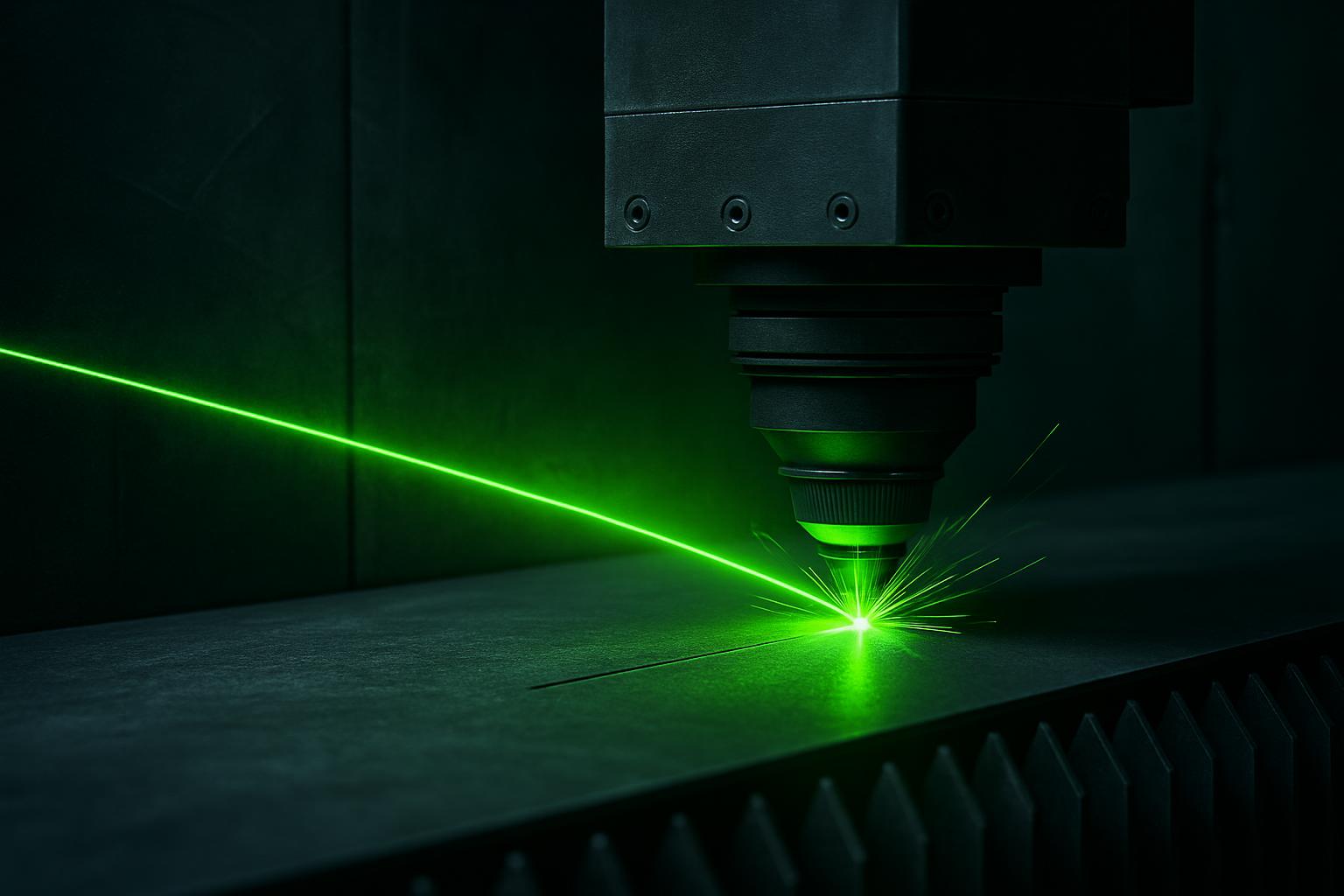
Auto feed
AutoFeed Cut
AutoFeed Cut loads sheets automatically into your CutLine 1500 cell, so long nests run with fewer manual stops and less operator fatigue, especially on night shifts.
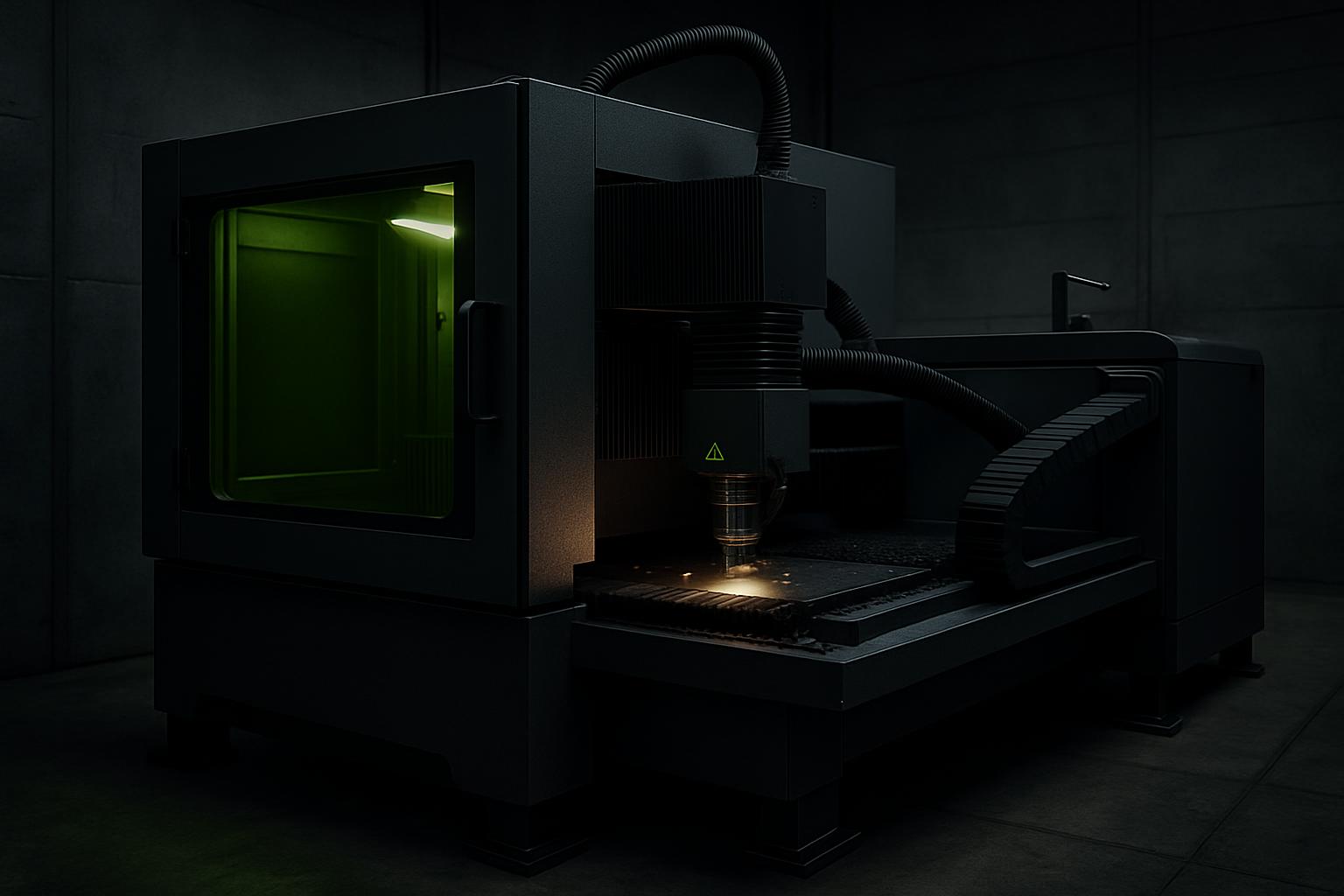
How AutoFeed Cut fits in a busy shop
AutoFeed Cut is designed to load metal sheets into your CutLine 1500 cell without constant manual handling. This is especially useful when you’re running large batches, complex nests, or need to keep the machine moving through the night. Automatic loading cuts down on operator fatigue, handling errors, and the risk of dropping or scratching sheets.
Shops making kitchen equipment, signage panels, or long production runs get the most value here. Instead of stopping every few minutes to load a new sheet, your team can trust the system to pull in the next sheet and alert them if anything’s out of place. This helps you keep the cell fed and productive, with fewer hands on the metal at every changeover.
How the system works on the floor
AutoFeed Cut pairs with CutLine 1500 and uses sheet-present sensors to make sure a fresh sheet is loaded and ready before each nest starts. The system works best with a clear, well-organised loading area and a consistent supply of material. Operators still need to run through the night-list checks before a shift to make sure everything’s set up correctly.
Sensors watch for misfeeds or missing sheets, and the machine will pause and alert if it detects a problem. Running auto feed does not mean you can walk away entirely: you need someone to check sheet alignment, confirm the correct material is loaded, and watch for any issues with extraction or fume build-up. It’s easy to forget a simple thing like a dented corner, so regular checks make a real difference.
When to choose AutoFeed Cut over manual loading
If your shop runs a few large nests per day, or has limited night or weekend staff, AutoFeed Cut can significantly reduce downtime between sheets. In small-batch or mixed-material work, manual loading might still be faster. For heavy plate or thick wear parts, the PlateGate XL system is a better fit, as it’s built for larger, heavier stock.
AutoFeed Cut is not for tubes, pipes, or rotary work: TubeCut R8 covers that. If your parts need edge prep or bevels as they come off the bed, look at WeldPrep Beam instead. This system is for flat sheet only, specifically matched to the CutLine 1500 bed.
Site setup, safety and compliance
AutoFeed Cut and CutLine 1500 must be installed on a flat, level slab with enough access space for pallets or trolleys. The machine needs a 400 V three-phase 50 Hz supply with a valid Certificate of Compliance under SANS 10142-1. Always use a registered electrician for any new connection.
You will need local exhaust extraction at the cutting head to meet the Regulations for Hazardous Chemical Agents, especially when cutting galvanised or stainless steel. The cutter is a Class 4 laser under IEC 60825-1, so SAHPRA licensing applies for both the model and the site. Operators need eye protection rated for the fibre wavelength, not CO2. The cell uses a water chiller: on the Highveld, protect the coolant from freezing in winter, and clear dust from filters to avoid trips or overheating.
What to send for a quote or sample
To help us quote on AutoFeed Cut for your shop, or to run a sample part, send us the following details. If it’s for a new site, mention any space or power constraints up front.
We use your information to check pairing, material handling needs, and safety compliance. If you need a demo, we can book you in at Sunnyrock HQ or another regional bay. Send the details to us through our contact form.
- Current or planned CutLine 1500 cell details
- Material type, sheet size, and thickness
- Typical nest length or batch size
- Available floor space near the cell
- Power supply (phase, voltage)
- Any extraction or chiller preferences
Related pages
Cuts & beam notes
What our Fibre Laser customers say
Verified Google reviews