
AutoFeed Cut specs
AutoFeed Cut automates sheet loading for the CutLine 1500, ideal for long nests and reducing manual handling. Ensure site readiness for smooth operation and consistent throughput.
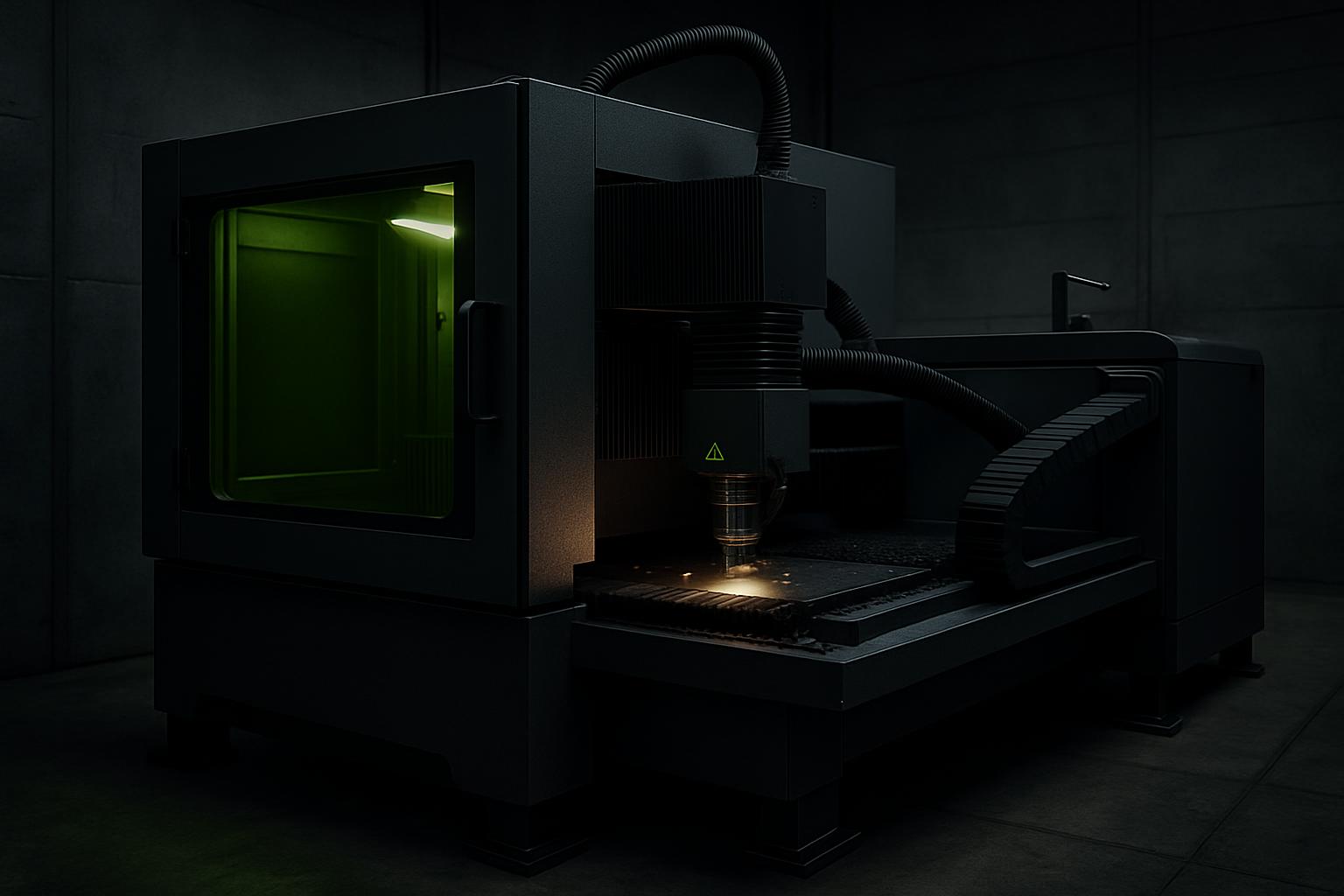
| Role | Automatic sheet loading |
|---|---|
| Pairing | CutLine 1500 |
| Best for | Long nests |
| Checks | Night list |
| Sensors | Sheet present |
| Support | Sunnyrock HQ |
Use our contact form to request a pack for your setup.
Also see beam notes and projects.
How each spec line applies to production
AutoFeed Cut takes over the repetitive task of loading sheets onto the CutLine 1500, which is crucial for jobs with long nests or frequent changes between materials. By automating this process, you reduce operator fatigue, speed up cycle times, and make better use of every shift, especially when running the same nest overnight or on extended jobs.
Sheet present sensors confirm that material is loaded correctly and ready before cutting starts, which reduces misfeeds and wasted sheets. When paired with CutLine 1500 and SheetNest Pro, AutoFeed Cut helps you run jobs with minimal manual intervention and more consistent part spacing. The 'night list' check means you can queue jobs for unattended runs, provided you have proper supervision and safety controls in place.
What the spec omits test on your material
While the listed specs cover automation basics, they do not show how AutoFeed Cut handles your actual sheet stock or nesting patterns. Variations in sheet flatness, burrs, and coatings can affect the loader performance. It is best to bring a few real samples to Sunnyrock HQ for a first-article run.
Testing on your own material will show if you need to fine-tune settings, account for slippery or warped stock, or adapt clamping and separation for odd shapes. This is especially important for fabricators using hot-rolled, galvanised, or specialty grades where surface finish and stiffness can differ from standard samples.
Site, utilities and installation planning
AutoFeed Cut is designed for the CutLine 1500 footprint, but the added loader arm and sheet staging area require clear floor space for safe operation. Plan for forklift or crane access during setup and for feeding new sheet packs.
The system needs a stable, dust-managed environment to protect sensors and moving parts. Extraction for metal fume and good lighting for loading zones are important. Fix the electrical supply to meet safety standards and have a Certificate of Compliance ready before installation.
- Clear floor area for loader and staging
- 400 V three-phase 50 Hz power supply
- Local exhaust extraction and filtration
- Access for sheet packs and forklifts
- Stable, level base for machine anchoring
Questions to ask before you compare quotes
When reviewing quotes for automatic sheet loaders, do not stop at listed specs. Ask for proof of local support, parts availability, and training specific to South African safety laws and typical shop conditions. Confirm what is included, software, sensors, and spare parts.
Request a live demo on your material and see how the system handles typical defects, such as warped or oily sheets. Ask how the loader integrates with your nesting software and whether it supports your preferred job scheduling method. Lastly, check what after-sales and maintenance support is offered at Sunnyrock HQ and your region.
- Is local support and spares included?
- Will you demo on my own sheet types?
- How are safety interlocks and checks handled?
- Does it integrate with my nesting software?
- What training is provided for my operators?
What our Fibre Laser customers say
Verified Google reviews