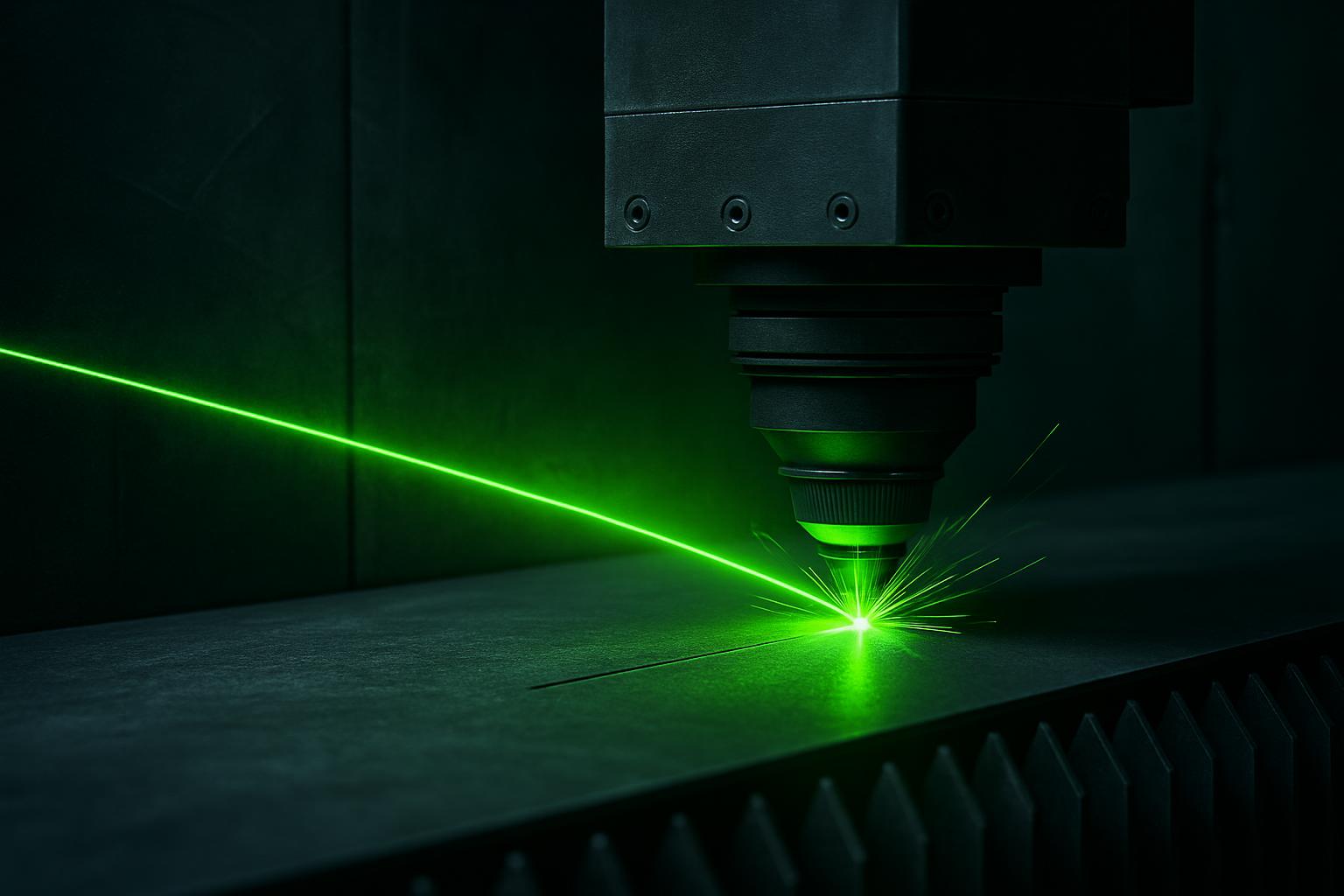
Cut
Stainless kitchen equipment
For stainless kitchen and catering equipment, clean laser cuts and readable marks ensure good assembly, hygiene and traceability. We focus on food-grade stainless and workshop-ready systems.
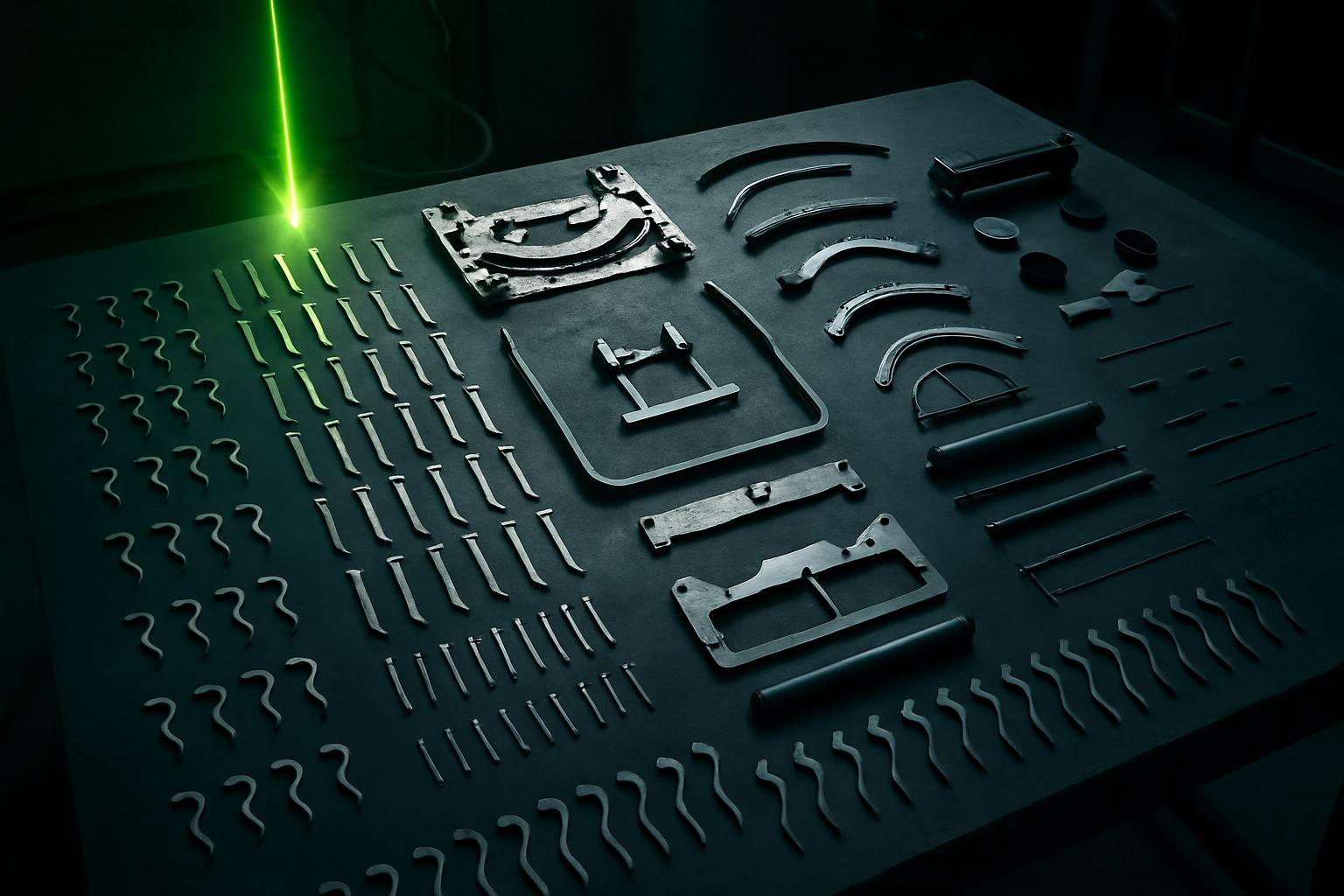
Systems
Start with these systems
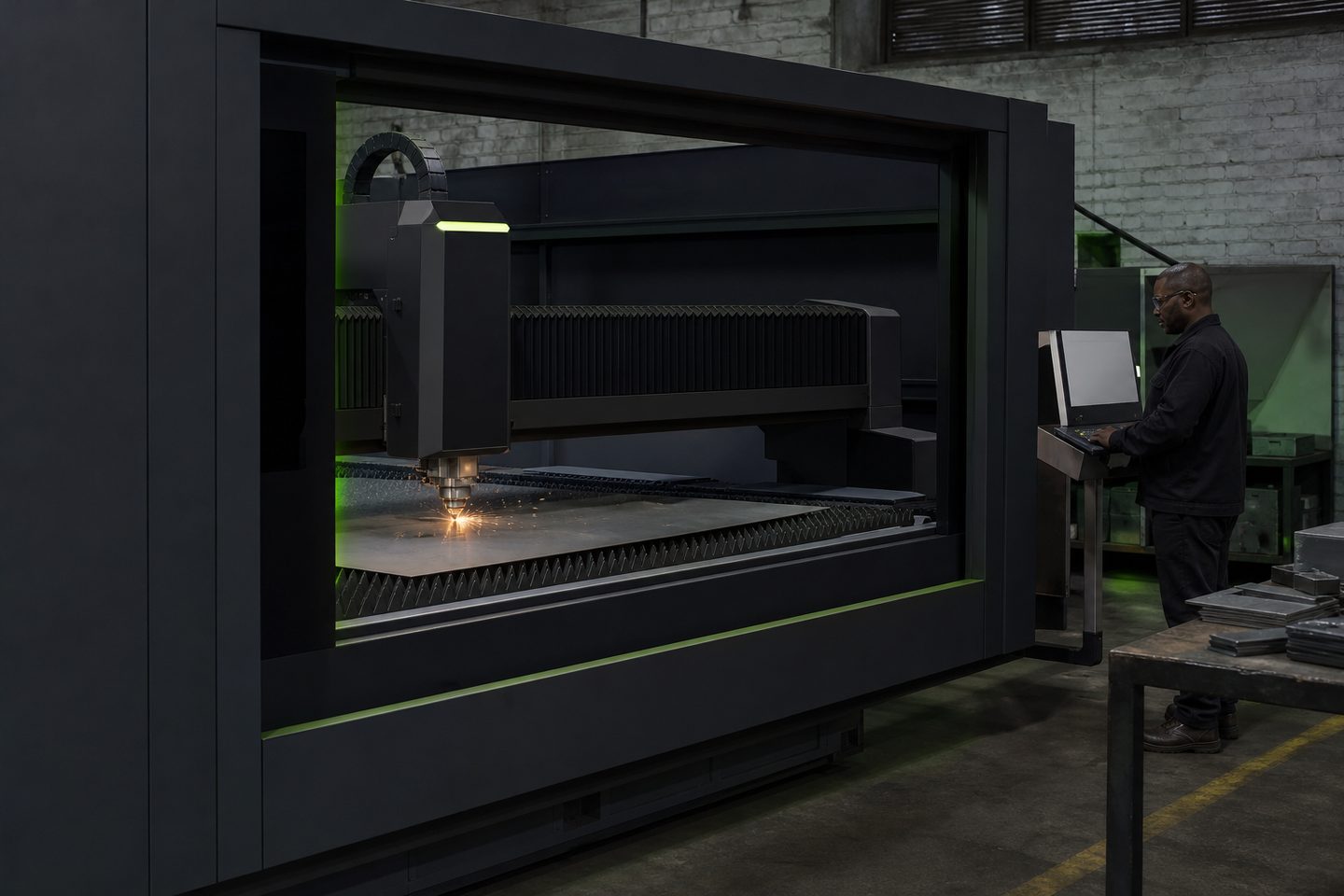
Sheet cutting
CutLine 1500
A production-ready fibre laser platform for sheet-metal work and repeatable cut quality on Gauteng floors.
Explore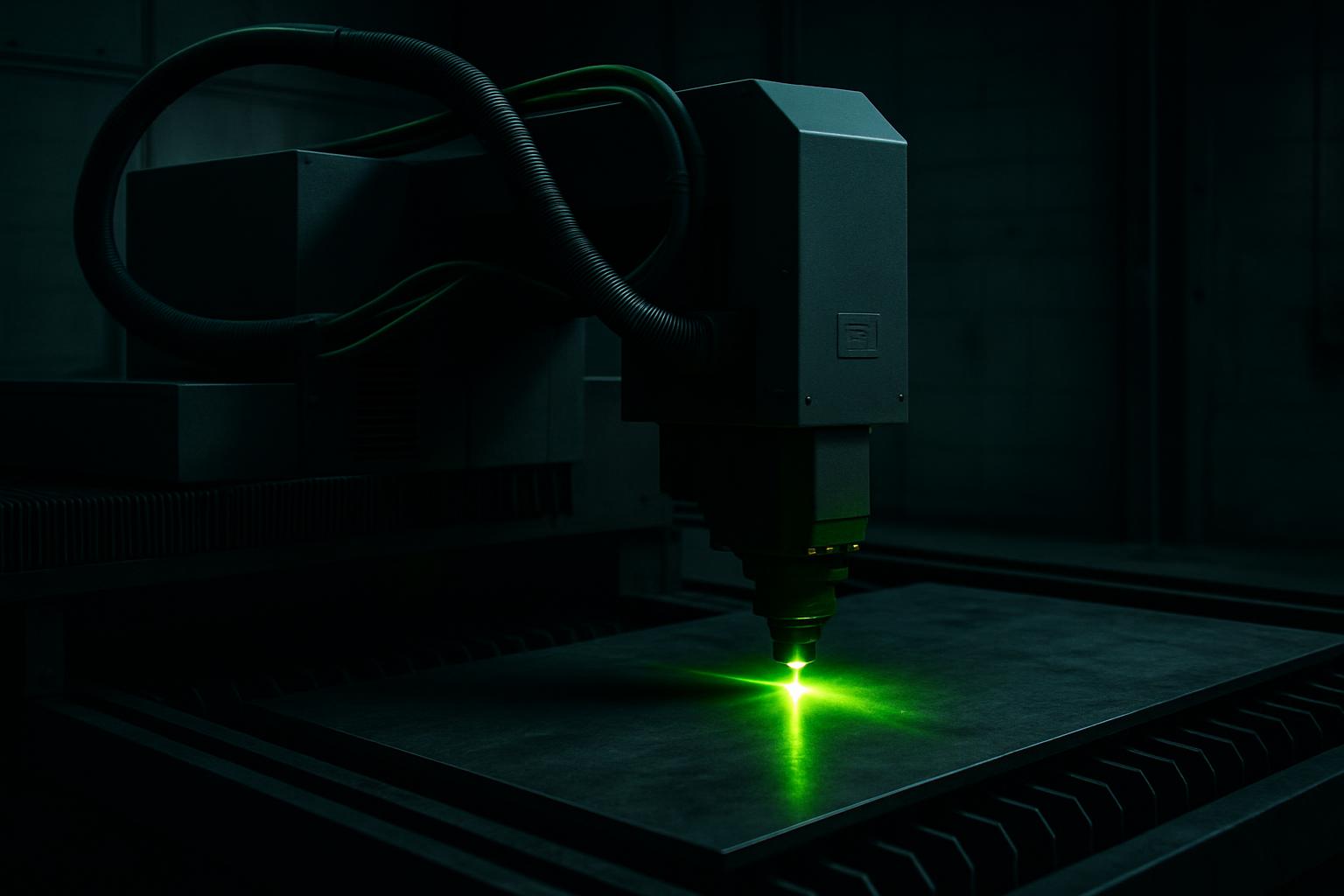
Fibre marking
Mark Pro 30
A compact fibre marking cell for durable serials, logos, and part identification on SA job-shop steel.
Explore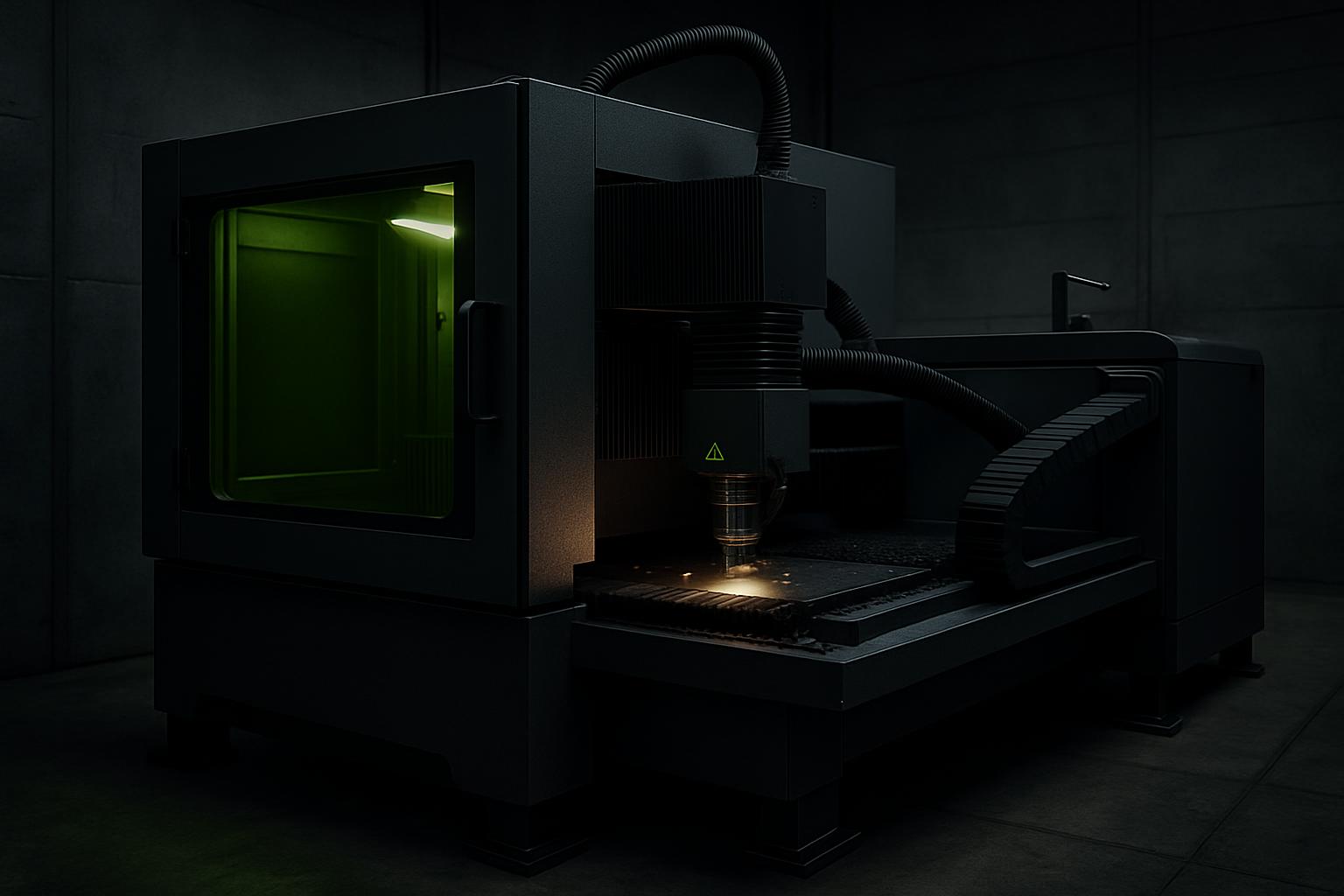
Auto feed
AutoFeed Cut
Automatic sheet loading for CutLine cells, so longer nests run with fewer manual sheet changes.
ExploreFood-grade stainless in kitchen equipment
Most South African kitchen equipment is made from 304 or 316 stainless steel sheet. 304 is common for counters, cabinets and shelving where food contact is routine, while 316 is chosen for high-corrosion areas like coastal kitchens or food and medical prep zones. Sheet thickness usually ranges from 0.9 to 2 mm for panels, splashbacks, drawers and brackets.
Parts often include bend lines, cut-outs for sink bowls or taps, and mounting holes for assembly. Clean edges are vital: sharp burrs or oxide can harbour bacteria, so a fibre laser’s fine cut and correct finish help keep items sanitary and safe.
Our systems for stainless kitchen work
The CutLine 1500 is our go-to for stainless kitchen fabricators, fitting the common 1500 mm class sheet size and delivering precise, burr-free cuts. It is sized for typical catering panels and integrates with AutoFeed Cut, which loads sheets automatically to keep production moving and free up your operators for packing, finishing or bending.
Mark Pro 30 handles serials, batch marks and logo branding directly onto panels, handles or even utensils. Deep, wear-resistant engraving stands up to cleaning routines, while annealing creates colour marks without removing material, useful for food-contact surfaces where hygiene is key.
How a typical job runs from drawing to finished part
A good workshop process for stainless kitchen parts keeps quality high and turnarounds predictable. Here’s the usual sequence we see in Gauteng and coastal shops, especially those making to customer order or stocking standard lines.
- Receive customer drawing (DXF or PDF), confirm material grade and sheet size
- Import drawing into SheetNest Pro, apply nesting for best sheet usage
- Select correct assist gas (nitrogen for bright edges), set parameters for thickness and grade
- Run the job on CutLine 1500, with AutoFeed Cut if running multiple sheets
- Mark parts as required on Mark Pro 30, choosing annealed or deep engraved marks
- Inspect for edge finish, oxide and burrs, then clean and prepare for assembly or dispatch
Preventing common quality issues in stainless fabrication
Oxide on cut edges is the most common issue. Using oxygen assist will cut faster but leaves an oxide layer; this needs to be removed before painting or powder coating, and is especially important for visible kitchen parts. Nitrogen gives a clean, shiny edge on stainless but uses more gas. Always use food-grade nitrogen and keep cylinders upright, as per SANS 10019.
Burrs, dross or poor cut quality can result from a dirty protective window, worn nozzle or incorrect focus. Make daily checks part of your routine. Extraction is also vital: laser cutting stainless makes hexavalent chromium fume, so use local exhaust with filtration and follow OHS Act exposure limits.
Sending us drawings and info for sample kitchen parts
To review your application or cut samples, send us a message through our contact form. Attach DXF (preferred), DWG or clear PDF files and state the stainless grade, thickness and any finish requirements (for example, 2B, no. 4, or mirror). If you need marking, let us know if it must be annealed or engraved, and supply a logo or serial layout as a vector file if possible.
If you’re new to laser cutting or marking, Ms Kelebogile Nxumalo at Sunnyrock HQ can walk you through a first-article review and help optimise your process for hygiene, fit and finish.
What our Fibre Laser customers say
Verified Google reviews