Beam notes
Night checks on auto feed
Night shift cutting with AutoFeed Cut keeps your beds busy, but only if the checks are done right. Here’s what must be handled before walking away.
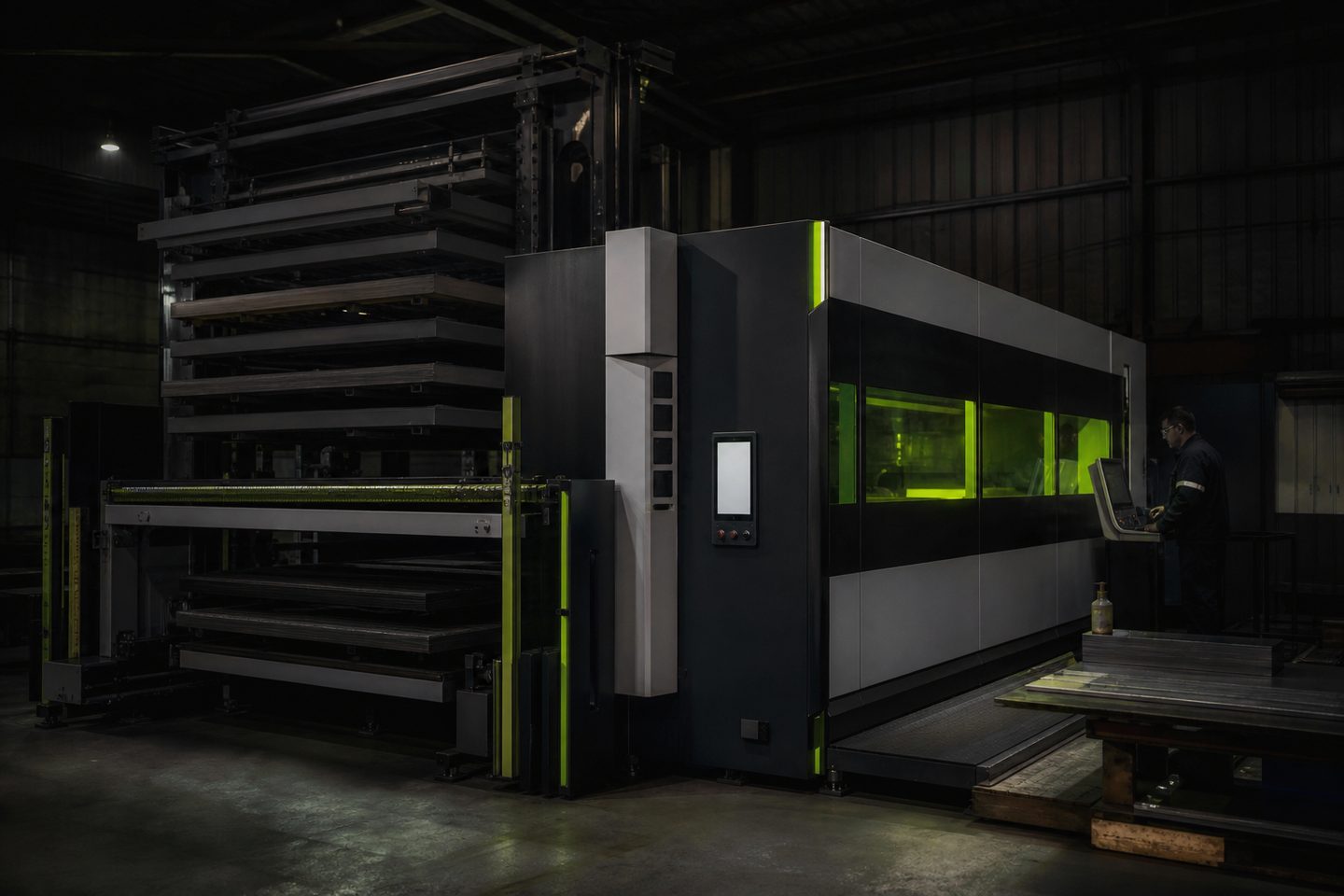
What can go wrong at night on auto feed
Running AutoFeed Cut overnight sounds like a win, but unattended shifts can pile up scrap and downtime if basics are skipped. South African shops often run with smaller teams at night, which means less backup when something jams, settings drift or a sheet loads wrong.
Problems that creep in at night are usually traced back to missed steps: a dirty cutting window, a bent edge on a sheet, or an assist gas drop that causes a miscut. Staff are tired and the urge is to trust the automation, but the system can’t spot every risk on its own.
Lessons from real shifts with AutoFeed Cut
We have seen that most night shift trouble is entirely preventable. The two main issues are: not resetting for a new nest or material batch, and not double-checking sheet alignment and surface. Even a slight skew or a bur left on an edge can trigger a misfeed or a no-cut alarm.
Gas supply is another spot that trips up teams. Oxygen or nitrogen cylinders can run low and the first clue will be a cut that barely makes it through. A proper walkaround, not a glance, picks up leaks, loose quick-couplers or a filter that needs a change. Also, optics: a dusty or fingerprinted protective window is the start of headaches. Always wipe it with the right cloth and fluid.
A night shift story from the floor
One night last winter, a Highveld fab shop loaded a batch of galvanised sheets and left the floor to run. At 02:00, the loader arm misaligned after catching on a burr, but the system kept feeding. By morning, eight sheets were scored but not cut through, with zinc fume building up under the gantry.
The root cause? The last operator did not inspect the sheet edges or check that a window was spotless. No one checked the fume filters either, and the gas bottle had dropped pressure mid-shift. These are the knocks we learn from.
Non-negotiable night checks before leaving AutoFeed Cut running
Here is the short list every operator must tick off before stepping off the floor at night. Never assume any of these can wait until morning.
Skip one, and you risk downtime, wasted sheet or worse: a fire hazard or a failed job.
- Inspect and clean the cutting head’s protective window with fibre-safe wipes
- Check assist gas cylinder pressures and make sure regulators and quick-couplers are leak-free
- Clear the feed bed and loader arms of burrs, offcuts and dust
- Confirm sheet alignment, especially on the leading and trailing edges
- Verify exhaust extraction is on and filters are not clogged
- Confirm emergency stops and interlocks are active and not bypassed
When to ask for help from our team
If you see repeated alarms, poor cut edges, or something in the loader cycle you can’t explain, it’s time to reach out. Don’t push through and hope it ‘will clear itself’.
Use our contact form to note your city and the error or problem you are seeing. Our team at Sunnyrock or your nearest bay will call back or set up a support visit. Night shift reliability comes from care, not luck.