Material
Stainless 304 / 316
Stainless 304 and 316 need careful gas choices and handling for clean edges and corrosion resistance in kitchens, hospitals and coastal sites.
How Stainless 304 and 316 behave under fibre lasers
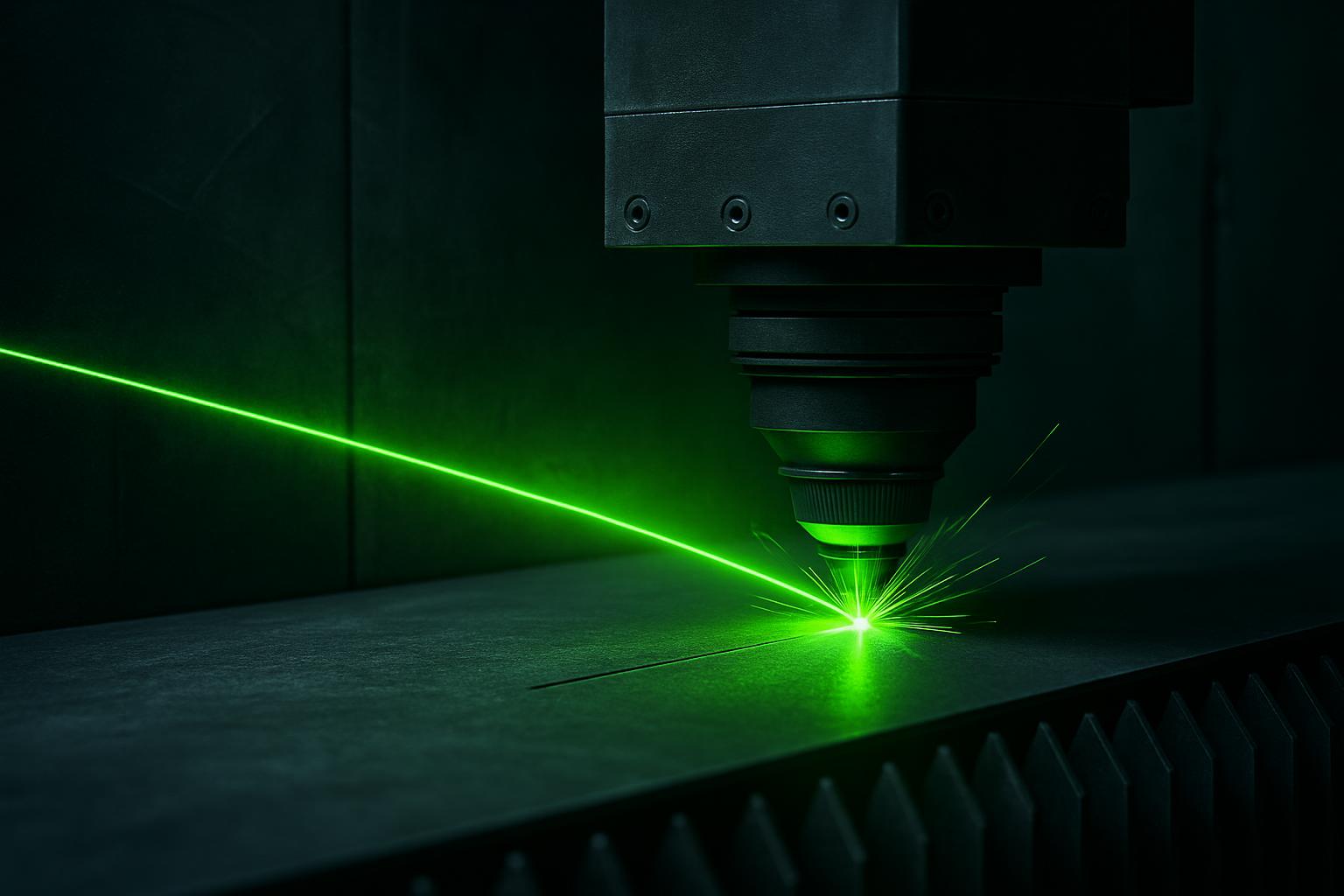
Stainless 304 and 316 cut well on fibre lasers, but good results depend on using the right assist gas and keeping the optics clean. Fibre lasers give a finer beam than older CO2 machines, which means less heat-affected zone and neater edge geometry. Both grades reflect infrared less than aluminium or brass, so cut quality is stable, but 316's extra molybdenum makes it a bit tougher to pierce and start cuts cleanly.
When marking, stainless responds well to all three main methods: annealing, engraving, and ablation. Annealing uses lower energy to bring out colour changes without removing material, which works well for food and medical parts. Deep engraving for wear resistance is best done with the higher power cells, but even then, make sure you dont over-burn and risk surface oxidation.
Assist gas and mark method choices for best results
Nitrogen is the best assist gas for cutting 304 and 316 when you want a bright, oxide-free edge. This is essential for medical or kitchen work, where any oxide layer can trap contaminants or cause paint and powder to peel. Oxygen can be used for faster cutting of thick stainless but leaves a black oxide edge that has to be removed before finishing.
For marking, use annealing for smooth, coloured marks on medical tools or kitchenware, as it does not break the surface or risk corrosion. Deep engraving with our EngraveFab 50 or Mark Pro 30 cells gives permanent results where wear or cleaning is rough. Always check your mark for contrast and legibility after cleaning oil or coolant off the part.
Preparation, storage and handling tips for South African workshops
Humidity, dust, and the wrong cleaning habits can all spoil your edge or mark finish. Stainless needs a quality protective film on the sheet or tube, especially if its sitting for a while in a coastal or Highveld workshop. Dust and iron particles from mild steel work nearby can cause rust spots or streaks when the part is handled or cleaned.
After cutting, always remove any oxide, clean with a lint-free cloth, and avoid letting fingerprints sit on the surface. Store finished or semi-finished stainless away from open mild steel racks, and try not to stack sheets or parts without spacers or wrap if they'll be exposed to moisture.
- Keep stainless covered and off the floor
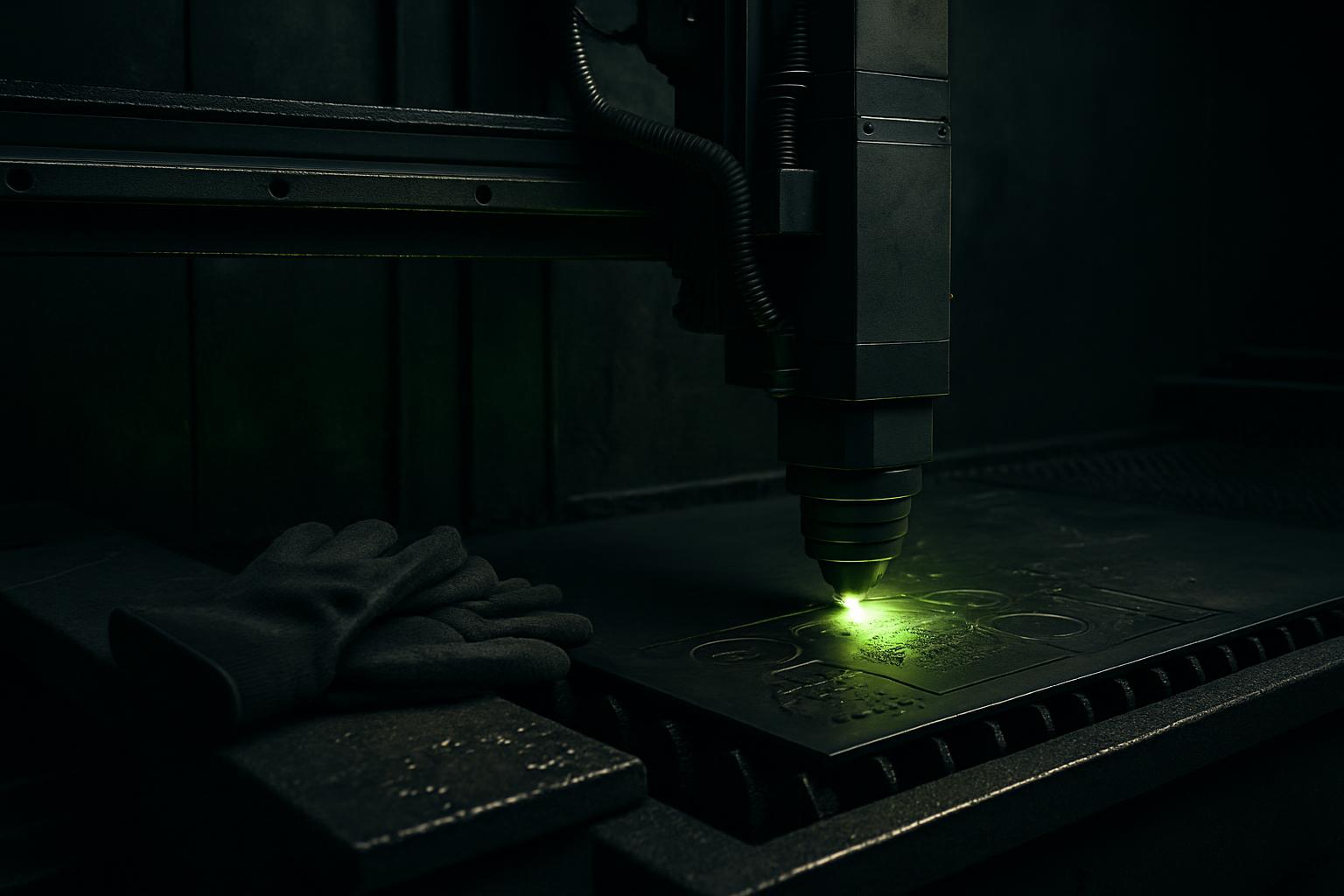
- Use lint-free gloves when handling sheet
- Wipe edges after cutting or marking
- Avoid shared racks with mild steel
- Watch for salt and humidity on the coast
Best systems and why we cut or mark your sample first
Our CutLine 1500 cell is set up for precision sheet stainless with high-pressure nitrogen or clean air. For tube or chassis work in 304/316, TubeCut R8 gives neat rotary cuts and copes with closed sections. Marking and deep engraving are handled by the Mark Pro 30, BeamDesk Mini, DualHead Mark, or the more powerful EngraveFab 50 for jobs that need depth or high contrast.
We always recommend a first-article sample for your specific grade and finish. This lets us dial in settings for your part, check the edge or mark quality, and confirm there’s no unexpected reaction with coatings, thin film, or the local environment before you commit to a full run.
What our Fibre Laser customers say
Verified Google reviews