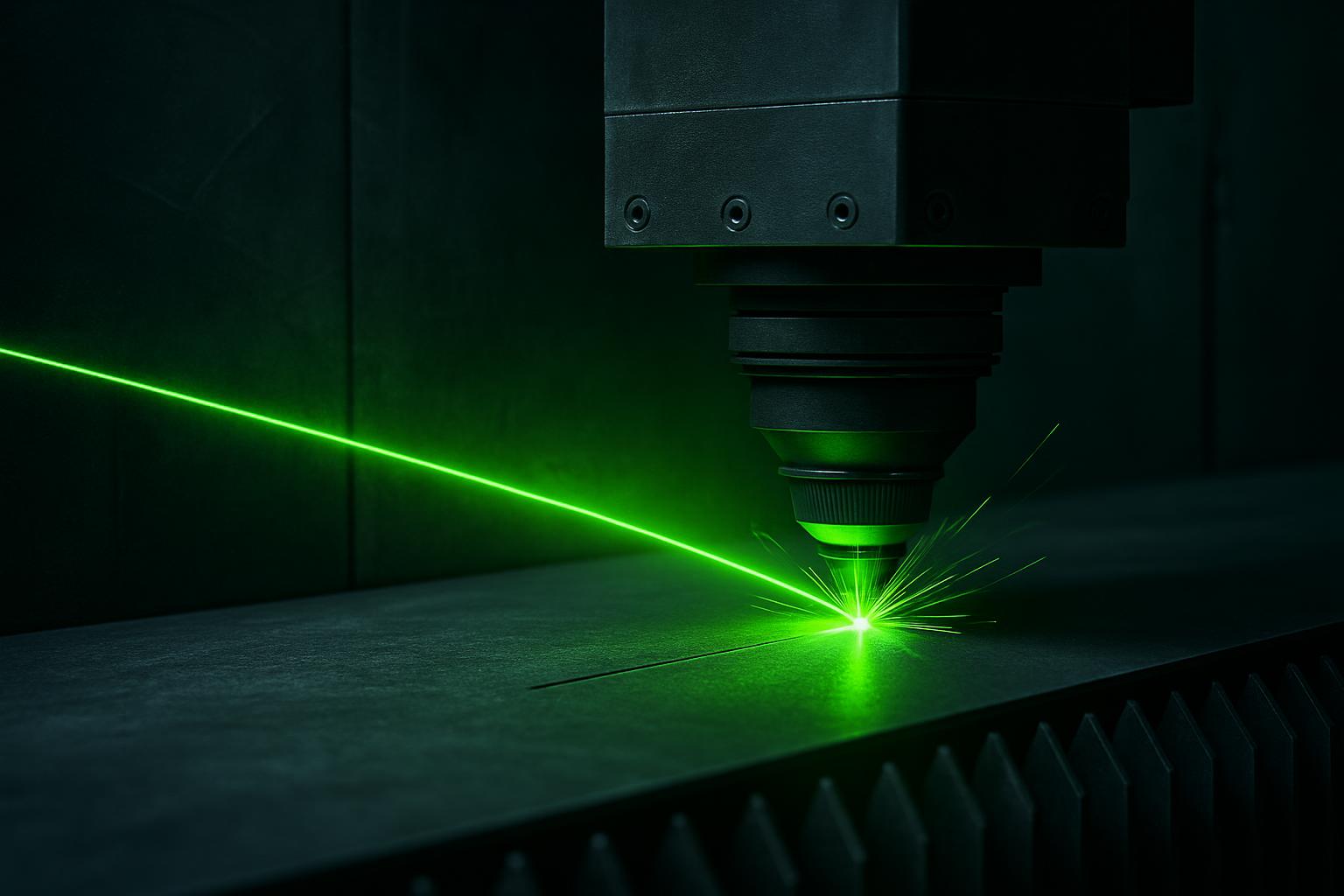
Material
Mild steel sheet
Mild steel sheet cuts and marks cleanly on fibre laser cells with the right settings, gas and handling. Here’s what to know for practical workshop results.
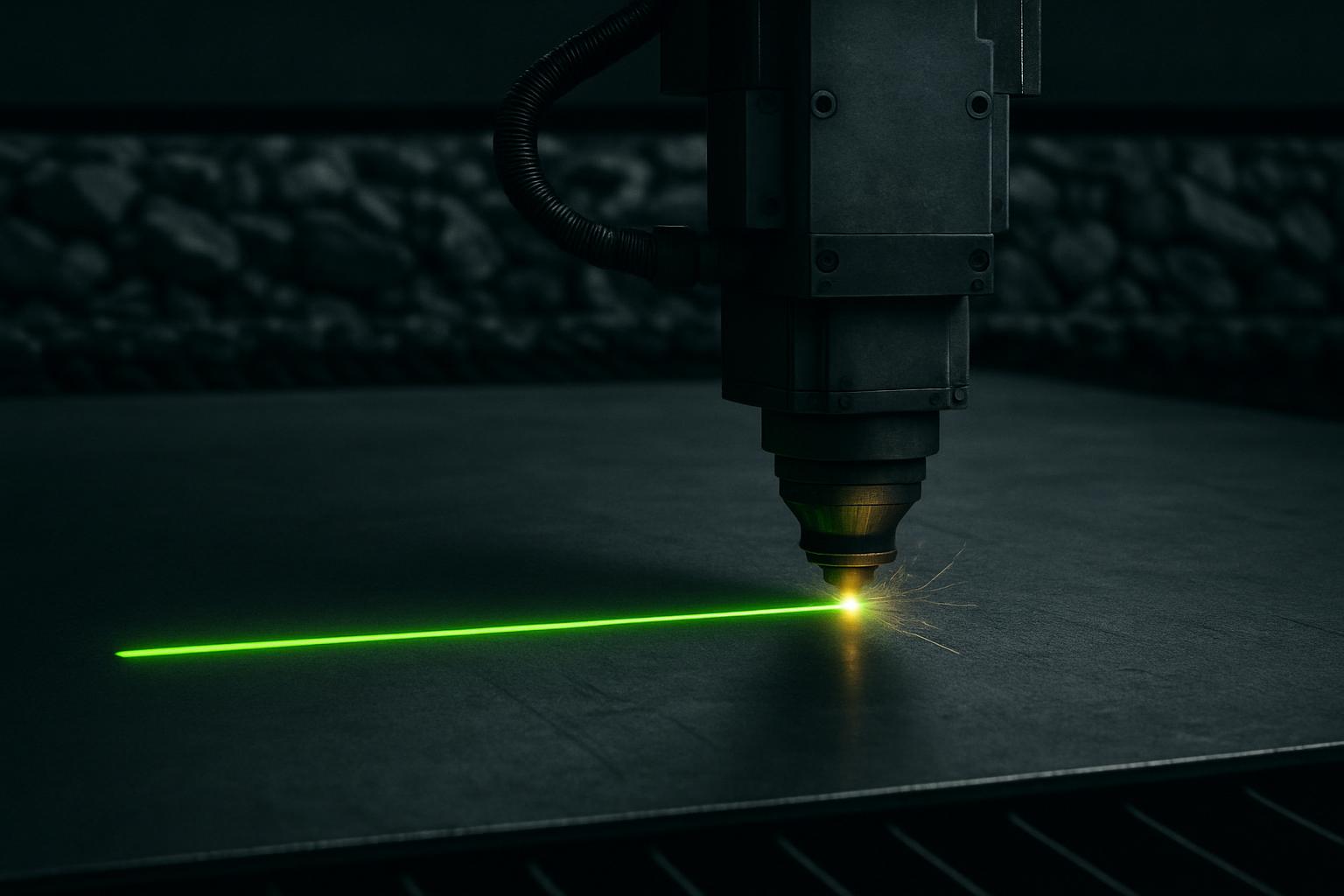
Cutting and marking mild steel with fibre lasers
Mild steel responds well to fibre laser cutting, giving precise and consistent results across common sheet gauges. The near-infrared wavelength of a fibre laser is strongly absorbed by mild steel, so you get high energy transfer and clean separation, especially on flat, well-supported sheets.
Marking on mild steel is also reliable but needs the right method for the job. Surface marks are visible on bare or lightly coated steel; for deep, wear-resistant marks, engraving is better. Annealing is less common on mild compared to stainless, as mild steel oxidises quickly after heating.
Assist gas and mark method choices
Most workshops use oxygen as the assist gas on mild steel, which helps the cut by supporting a fast exothermic reaction. This does leave a dark oxide layer on the cut edge, so the edge should be cleaned or ground before any powder coating, painting or welding.
Nitrogen is an alternative for bright, oxide-free edges, but uses more gas at higher pressure and is usually reserved for stainless or jobs needing a clean, non-oxidised edge. On thinner sheets, clean compressed air is an option if available. For marking, use ablation or engraving for part identification; deep engraving stands up to handling and site conditions.
Preparation, handling and storage tips
South African conditions call for practical preparation and storage to avoid quality issues and downtime. Dust, humidity and coatings all affect results, and even small contamination shows up in the mark or cut edge.
Keep mild steel sheets dry and off the floor. Surface rust, oil or mill scale need to be removed for best cutting and marking. Store sheets stacked flat, ideally indoors or under cover, and avoid touching cut edges with bare hands to prevent corrosion marks. Use extraction when cutting or marking to control fume and fine dust, especially from coated or galvanised stock.
- Wipe down sheets before loading to remove dust or oil
- Check for rust or mill scale before cutting
- Stack sheets on dry timber or steel runners
- Keep compressed air supply dry and oil-free
- Extract fume at the source when running the laser
Systems that suit mild steel sheet
CutLine 1500 is our go-to for mild steel sheet cutting: it’s optimised for nesting, quick pierces and clean edges with oxygen or air. SheetNest Pro helps organise your nest and makes the most of your material yield, especially on production runs. For loading stacks of sheet, AutoFeed Cut speeds up the workflow safely.
We always recommend cutting or marking a sample of your own material at Sunnyrock HQ before setting up your recipes. This lets you see real results and adjust for coatings, storage and local air or gas quality. For marking, Mark Pro 30 and EngraveFab 50 handle batch part numbers, tags and deeper serials on site or at the bench.
What our Fibre Laser customers say
Verified Google reviews