Cut
Agricultural implements
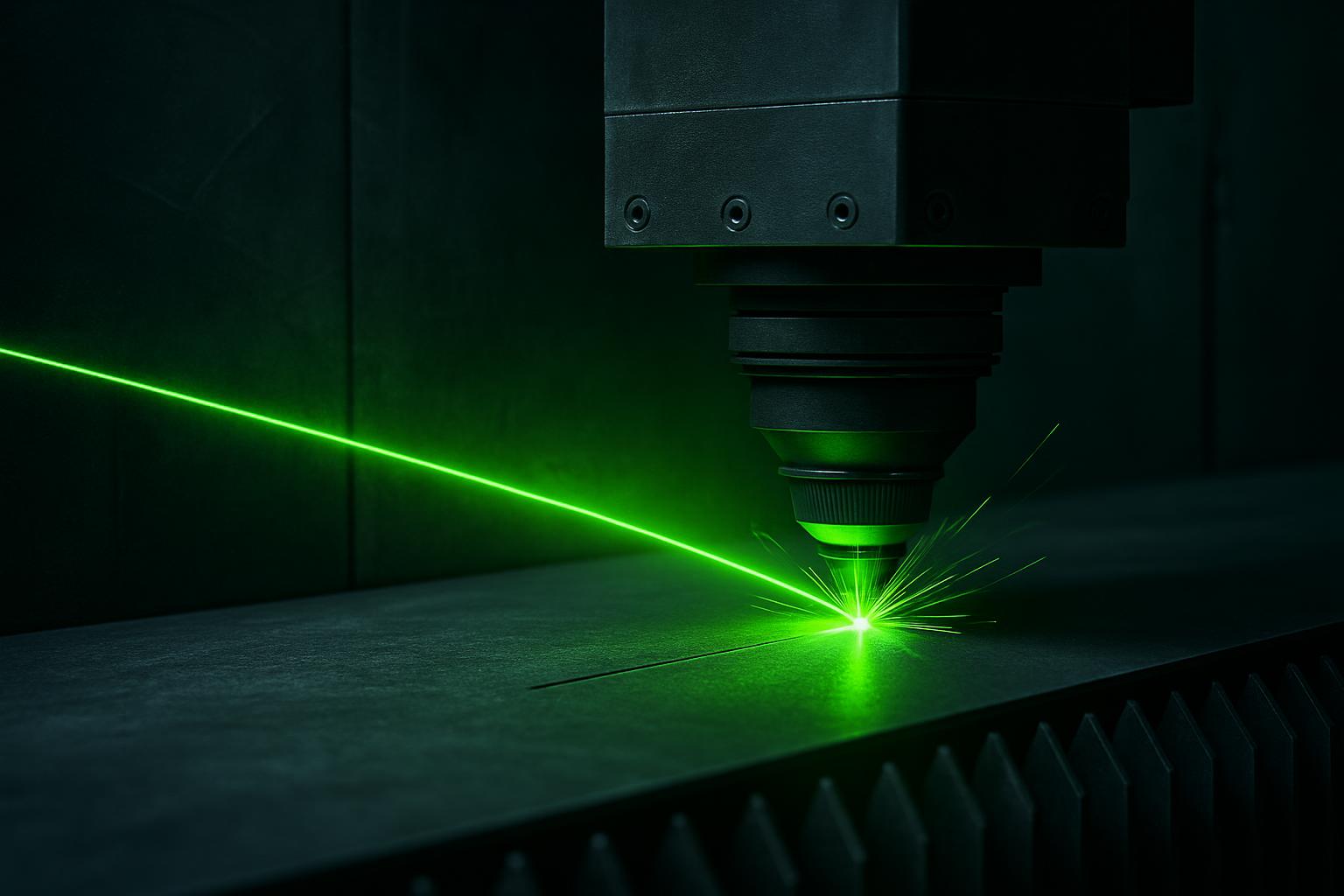
Frame tubes, wear plates and edge bevels for implements and trailers, handled with laser consistency from farm prototypes to production runs.
Systems
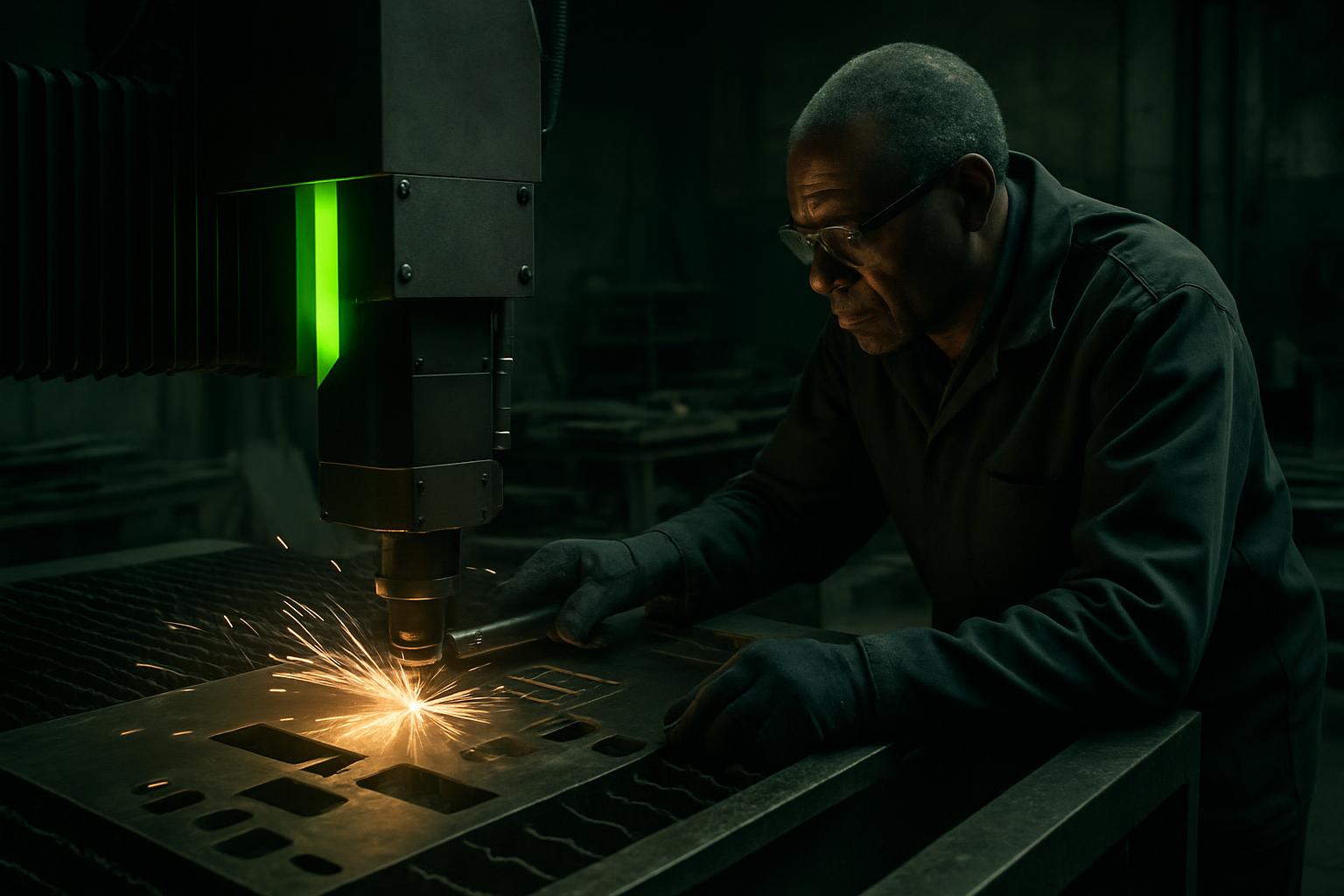
Start with these systems
Tube cutting
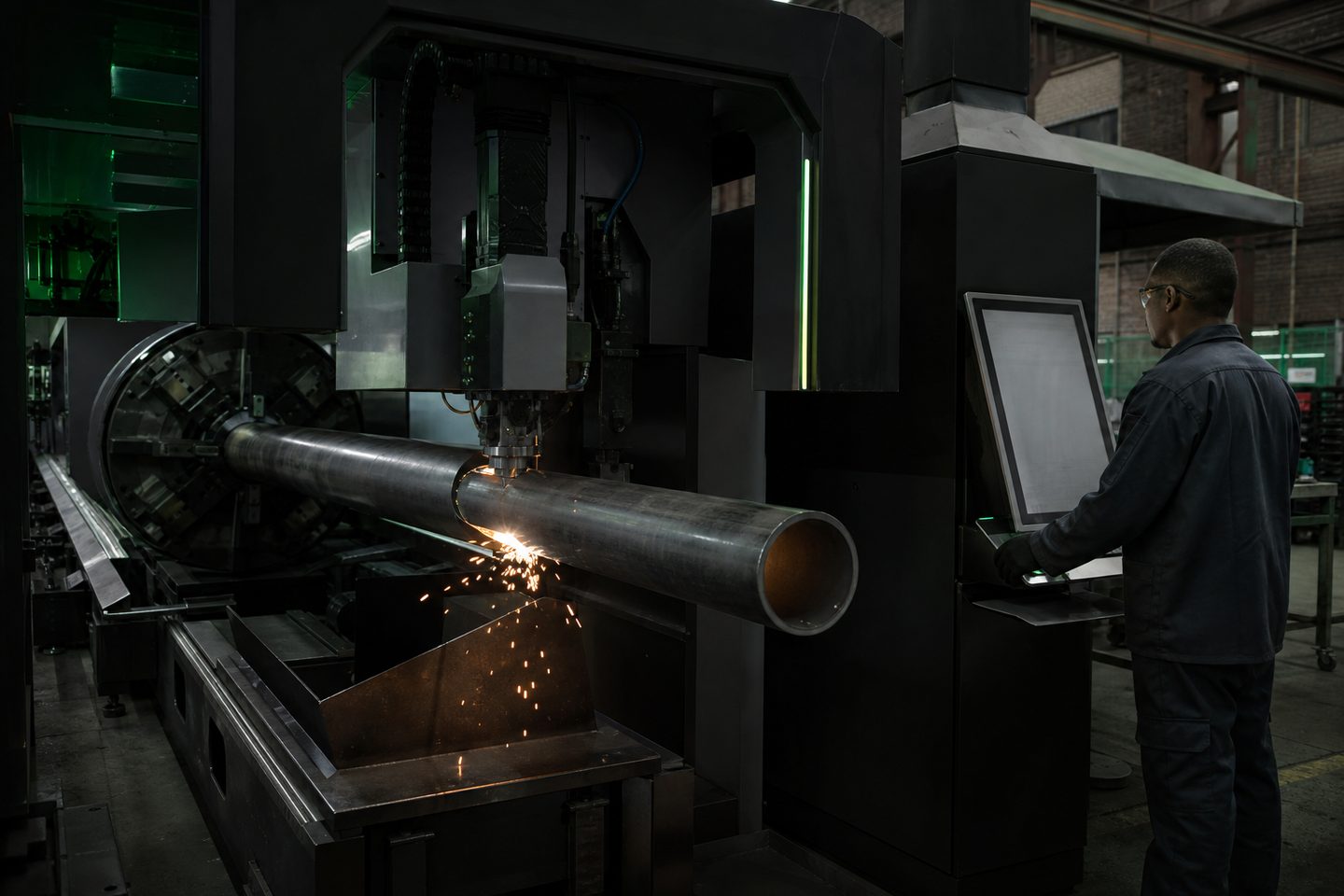
TubeCut R8
Fibre tube cutting for frames, handrails, and agricultural tube profiles common on SA fab floors.
Explore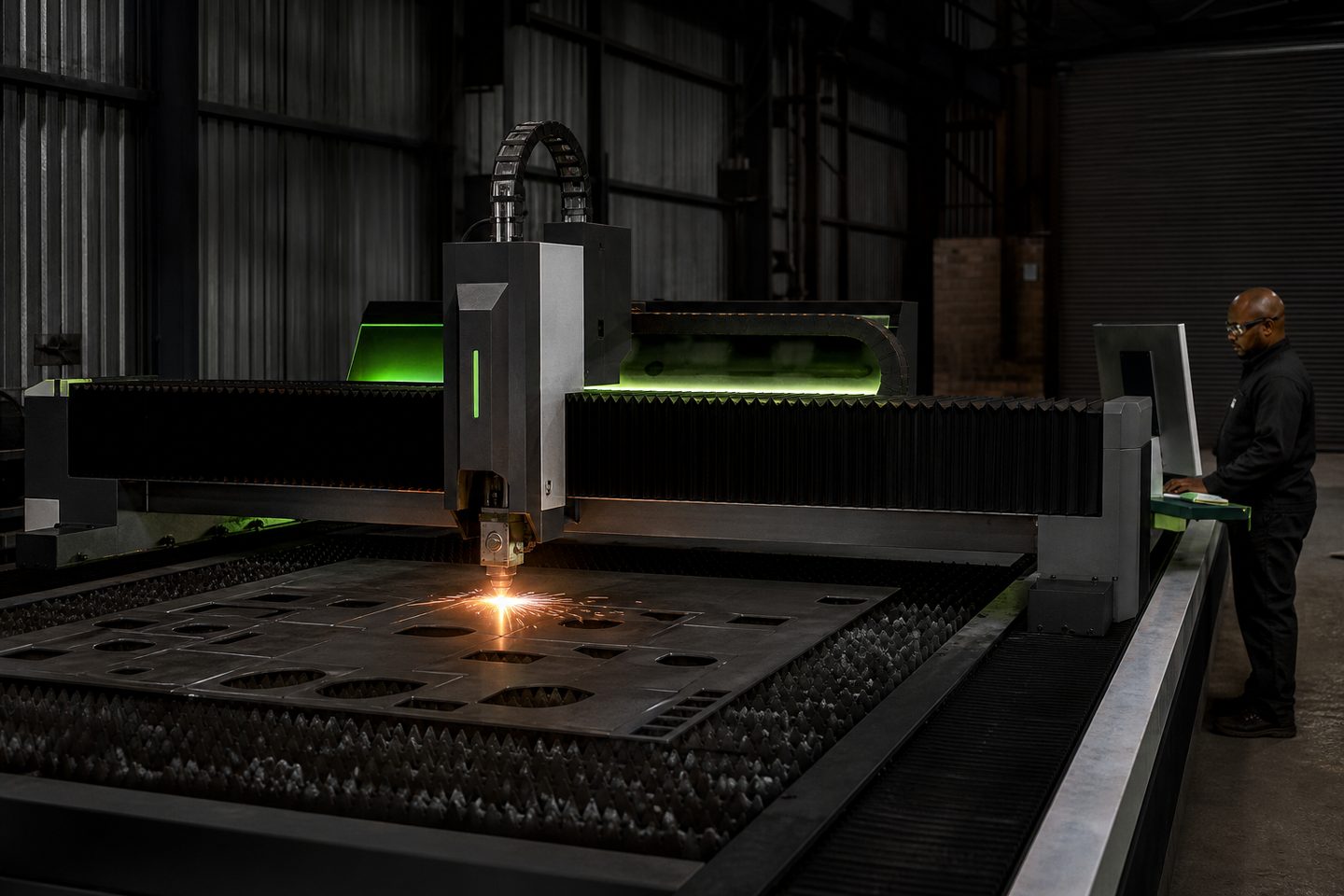
Heavy plate
PlateGate XL
A larger bed fibre cell for thicker plate work, wear parts, and mining-adjacent fab where pierce discipline matters.
Explore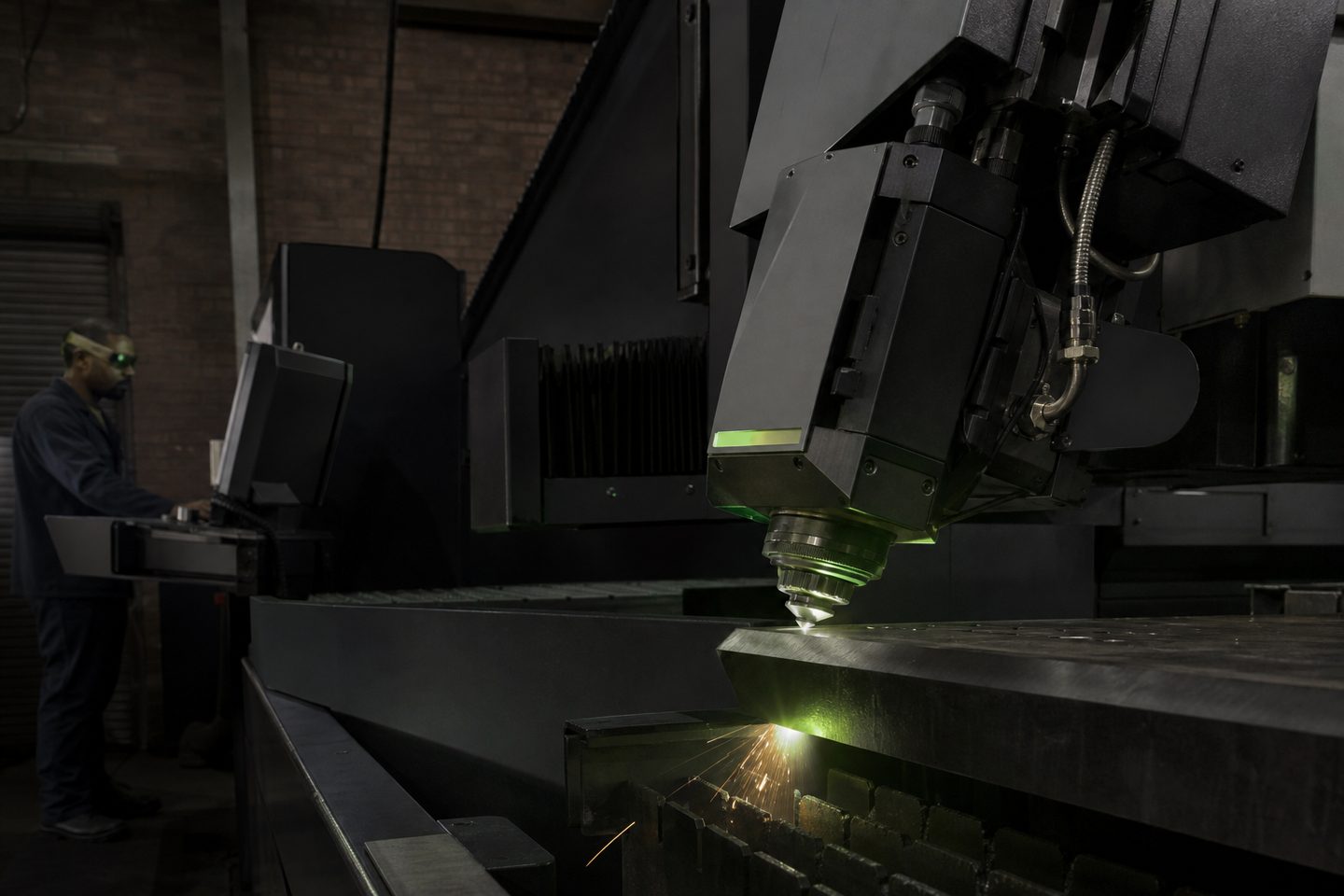
Edge prep
WeldPrep Beam
Beam edge-prep notes that leave welders with clean bevels and less grind time on structural and plate jobs.
ExploreCommon parts and materials in agricultural implement work
South African implement builders often work with mild steel, structural tubing, and wear-resistant plate, especially in sizes suited to typical farm and field equipment. Sheet and plate for cutting reaches up to 12 mm or more for wear parts like plough shins and subsoiler tips, while frame tubes can range from 30 mm to 150 mm in round, square or rectangular sections.
Galvanised steel is common on chassis and linkages, but be careful of zinc fume, local exhaust extraction is a must. Stainless steel (304 or 316) is used in food contact areas, and aluminium sometimes appears on lightweight hoppers and seed boxes. Brass and copper are rare but handled well by fibre lasers with the right protective window and settings.
Systems that suit agricultural fabrication and why
For tube and RHS cutting, the TubeCut R8 is purpose-built for fabricators needing repeatable mitres, fishmouths and slotting in structural tube. It handles round, square and oval, so you can build chassis, A-frames and handrails on the same cell.
PlateGate XL works for larger or heavier plate parts, especially in wear plate (such as Hardox). The oversize bed fits big frames and nested shapes, and brings enough power for thick agricultural parts. For edge prep before welding, WeldPrep Beam gives clean bevels and slotting with less manual grinding, important when you want fit-up to go smoothly in the field.
- TubeCut R8 for tube, pipe and RHS
- PlateGate XL for thick plate and big nests
- WeldPrep Beam for bevels and edge prep
How a typical implement job runs from drawing to part
A standard job starts with your DXF or DWG drawing, or we can scan a template if you bring a part to Sunnyrock. We run the nest in SheetNest Pro for flats, or set up the rotary axes for tube profiles. Material is loaded, automatic on larger cells or by hand on small batches.
The cut is programmed with your assist gas choice (oxygen for mild steel, nitrogen for stainless or galv). After cutting, we inspect for burr, dross or bead. WeldPrep Beam runs edge bevels if needed. final parts are stacked, labelled and ready for your welders or painters.
- Review or prepare DXF/DWG drawings
- Nest or profile setup in SheetNest Pro
- Material loaded on TubeCut R8 or PlateGate XL
- Assist gas and cutting parameters confirmed
- Edge prep with WeldPrep Beam if required
- Parts inspected, labelled, ready for next process
Quality problems we see and how to avoid them
Common problems include burr at the edge, especially on thicker mild steel, or warping on thin stainless and aluminium. This usually means gas pressure, focus, or feed rate needs attention. If holes come out undersize, check the pierce time and make sure the drawing matches real-world tolerances.
Dross build-up under the part points to poor extraction or dirty protective windows. On galvanised, zinc fumes can coat optics fast, don't skip your daily window check. If you see rough cut edges after a power cut, always let the system restart and re-home before resuming.
What to send us for sample cutting or quoting
For accurate samples or a quote, send us your 2D DXF or DWG files for flat parts, and STEP or IGES if tube cutting profiles are needed. Include the material grade, thickness and length, and note any special features like slots for assembly or edge bevels.
If you arent sure about the drawing, bring a physical sample or template to Sunnyrock, Ms Busisiwe Ngqula and the team can digitise it and advise on the right system. Let us know your volume (one-off, small batch, or production) so we can recommend the best mix of cutting, nesting and prep.
What our Fibre Laser customers say
Verified Google reviews