Project
Cape signage letter run
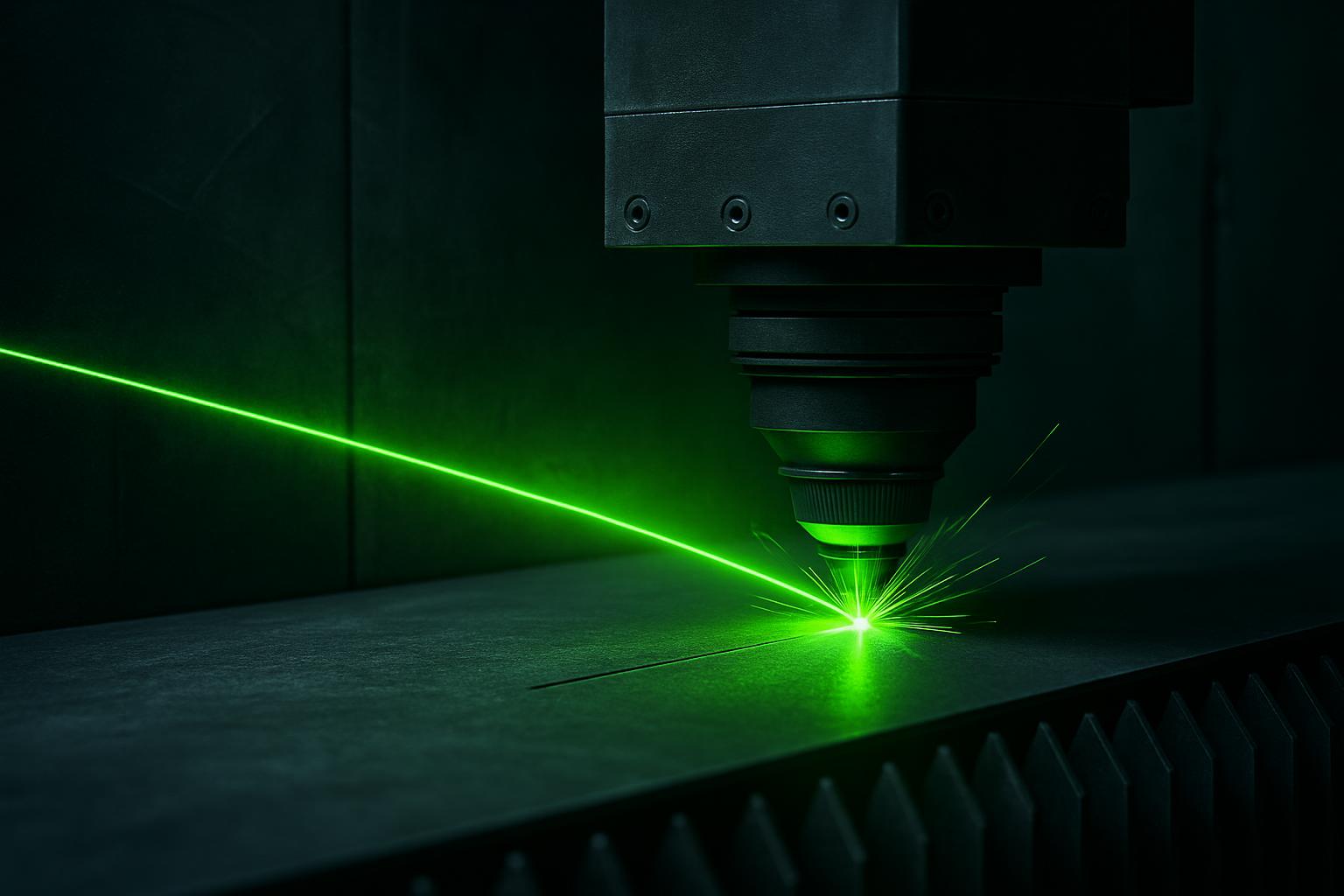
A Cape Town sign shop needed faster, cleaner runs of built-up aluminium letters, plus serial marking for quality tracking. We supported their shift with nested cutting and fibre marking.
Related cut: signage letters
The shop and the signage challenge
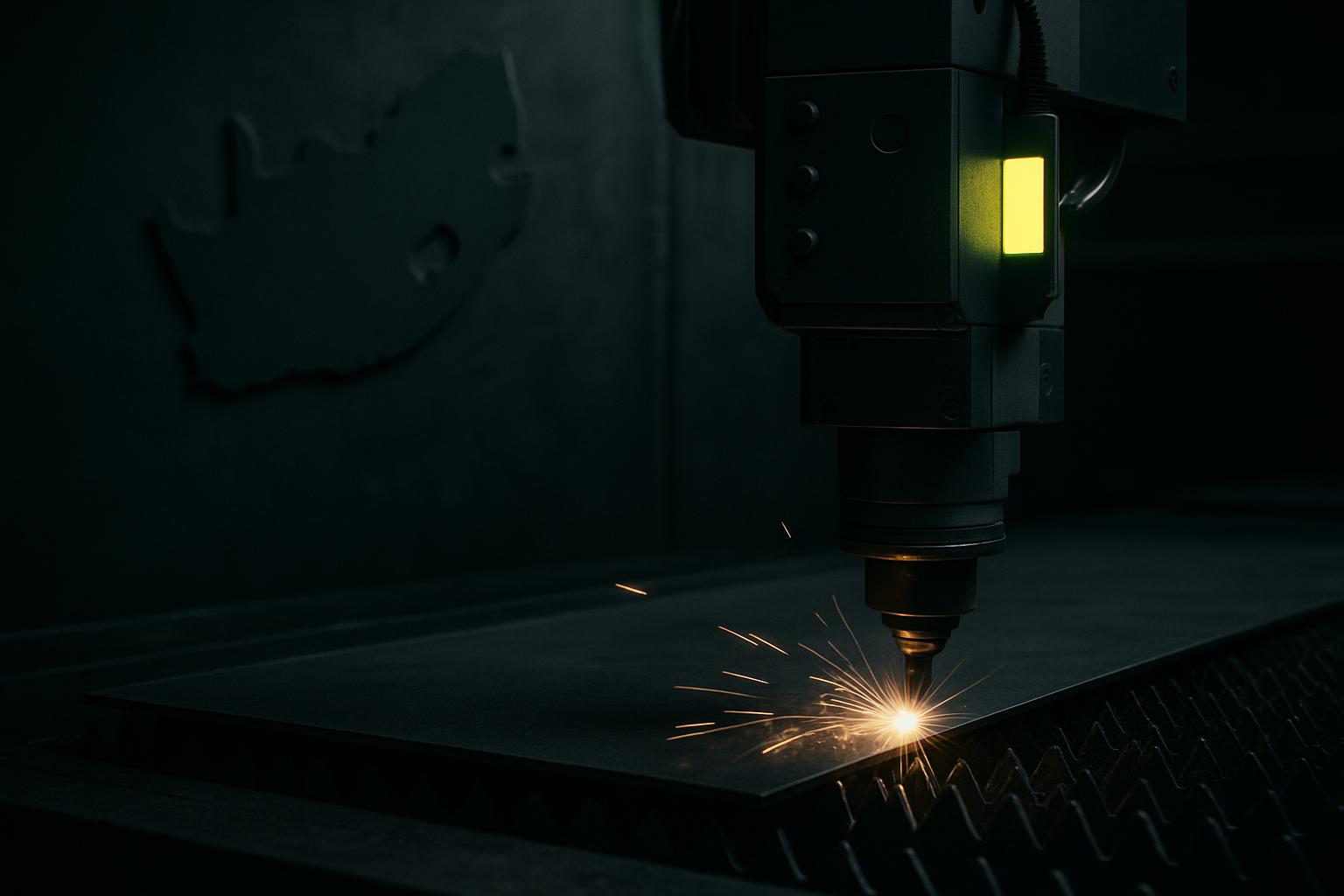
A busy sign maker in Bellville, Cape Town, specialises in built-up aluminium letters for retail fascias and interior branding. Wet winters and salt air mean customers expect letters that look sharp and last outdoors. The shop was running CNC routers for some profiles and outsourcing tricky cuts, which slowed down order cycles and left them wrestling with inconsistent edges and hard-to-track letter sets.
They also needed a reliable way to mark serial numbers on each letter for batch traceability. Hand engraving was too slow and left uneven results, especially on painted or powder-coated pieces. With more runs coming in from the southern suburbs and V&A area, production needed a clean boost.
How we set up nests and marking flow
We paired their new CutLine 1500 fibre laser with SheetNest Pro to organise letter nests for each job, maximising aluminium sheet use. Our team visited to walk through their part flow and workshop layout, since Cape Town’s coastal damp can affect sheet handling and fume extraction. For serials, we installed a Mark Pro 30 marking cell on a wheeled bench so staff could roll it up to finishing for each batch.
The sign shop’s team received hands-on training at our Tyger Valley showroom and then a commissioning session back at their site. We helped them set up a simple nest brief template to match their most common channel heights, so the operator doesn’t have to redraw or guess spacing every order. Mark Pro’s software was preloaded with serial formats to keep track of every batch.
Results after a few months in production
Switching to fibre laser cut letters made a clear difference. The edges are much cleaner compared to the old router, which reduced sanding and paint touch-ups. Staff now get full nest sheets ready for folding, with offcuts minimised. On powder-coated runs, marking with the Mark Pro gives crisp serials that withstand cleaning and handling.
A small slip happened at first when someone forgot to check the protective window under the cutting head, so a few sheets had a slightly rougher edge until it was cleaned. The team built a quick daily check into their routine, so that hasn’t been a problem since. Overall, they’ve cut turnaround time for mid-sized orders and can track every letter in a client’s set, which helps if a replacement is needed.
Lessons for other signage workshops
For sign shops working with aluminium and needing reliable traceability, a fibre laser like CutLine paired with SheetNest Pro keeps things practical. Nesting software matters when material prices are up and waste needs to be watched. Marking cells like the Mark Pro add value when clients want every letter or panel tracked by batch or site.
In places like Cape Town, pay attention to extraction and fume filtering, fine aluminium dust and salty air don’t mix. Keeping a spare protective window and a daily wipe-down routine is a small step that avoids lost time. If you’re looking to build runs of letters for the coast, these are details that make workshop life easier.
- Use nesting software for every sheet, not only large runs
- Check the cutting head window daily
- Roll marking cells to the job for flexible workflows
- Keep batch records for traceability
- Plan fume extraction for fine aluminium dust
What our Fibre Laser customers say
Verified Google reviews