Material
Tool steels
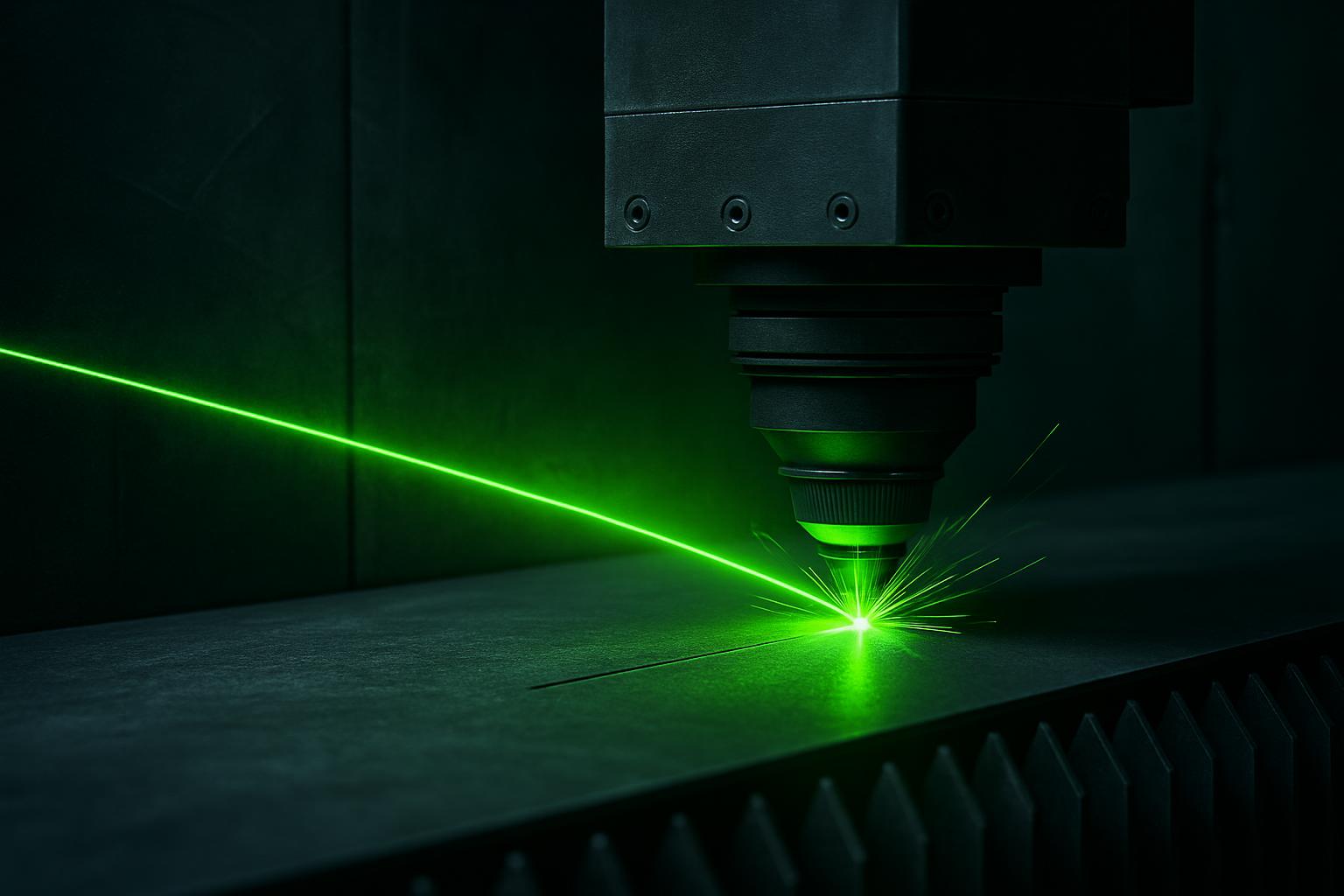
Tool steels require focused settings for both deep engraving and precise cutting on fibre lasers. Correct preparation and handling matter for long die and insert life.
How tool steels behave under a fibre laser
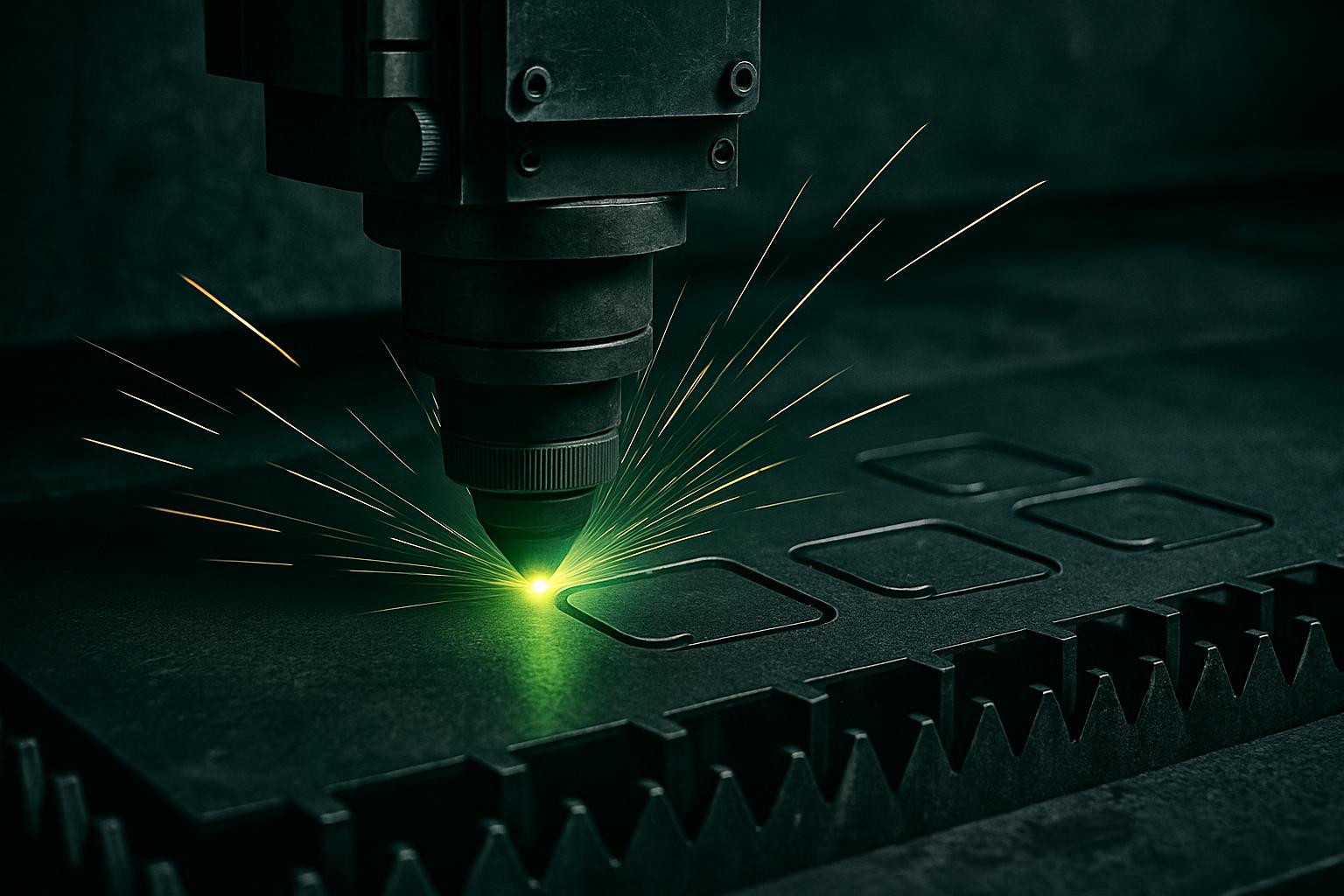
Tool steels are engineered for hardness and wear resistance, so they respond differently to fibre lasers compared to mild or stainless steels. When cutting, the high carbon and alloy content can cause more spatter and dross, especially if the settings are too aggressive. For marking, the dense grain structure demands higher pulse energy or slower passes to get deep, permanent results that withstand die or insert use.
Unlike softer alloys, tool steels show less oxidation with nitrogen assist, though surface scale and decarburisation can still occur with oxygen cuts. Deep laser marking is slower but gives crisp, durable identification that does not wear off in service. Plan for a bit of extra time on each part when working with tool steels, as rushing the run can leave the edge rough or the mark too shallow.
Assist gas and marking methods for best results
For cutting, nitrogen is usually the best choice with tool steels. It keeps the cut edge bright and free of oxide, which is important if you need to heat treat or coat the part later. Oxygen can work for thicker sections but leaves a surface oxide that may need removal before any secondary process.
Deep engraving or serial marking is best done with multiple passes, using either the Mark Pro 30 or the EngraveFab 50. These fibre marking cells can engrave well below the surface, giving marks that last the life of the die or insert. If you need traceability codes, Data Matrix marks on tool steel can be made permanent with the right recipe, just dont try to run at the same speed as on softer steels.
Preparation, storage and handling for South African shops
Tool steels are sensitive to both rust and surface contamination, which affects both cut quality and marking depth. Preparation and storage make a real difference in our climate, especially with summer humidity or coastal air. Before laser work, check that parts are oil-free and dry, and remove any rust or mill scale with a wire brush or solvent.
Inland shops on the Highveld must watch for dust settling on stored bars and plates, as it can pit the surface and affect the laser path. On the coast, salt air means you may need rust inhibitor sprays or desiccant packs for long-term storage. Always bring tool steel to workshop temperature before lasering, as condensation can form inside the cell and damage optics.
- Store tool steel in a dry, dust-free place, off the floor
- Wipe with solvent to remove oil or grime before lasering
- Remove surface rust or scale for clean cuts and marks
- Allow cold stock to reach room temperature first
- Use rust inhibitor or desiccant near the coast
Choosing the right FibreLaser SA systems for tool steel
For cutting tool steel sheet or blanks, the CutLine 1500 paired with nitrogen assist gives precise, oxide-free edges ready for heat treatment or fitting. If you need to load multiple sheets or switch between sizes, AutoFeed Cut can speed up the workflow.
Deep or serial marking of dies and inserts is best done on the Mark Pro 30 or EngraveFab 50, as both handle hard alloys without losing depth or legibility. We always recommend running your own sample at Sunnyrock HQ before starting production, since actual tool steel batches can vary in response. This lets us fine-tune the recipe and make sure you get the mark or edge you need.
What our Fibre Laser customers say
Verified Google reviews