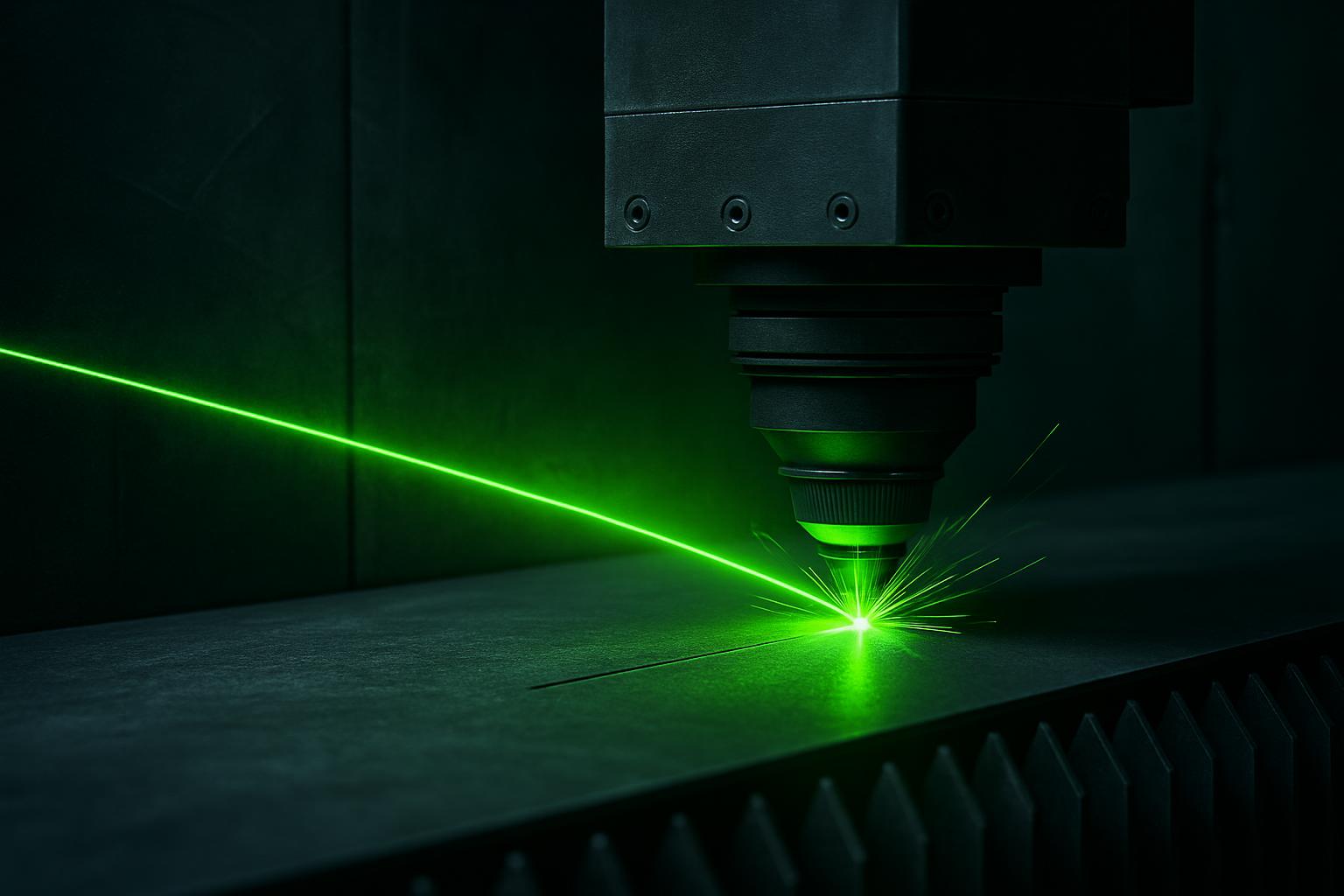
Cut
Tool and die marking
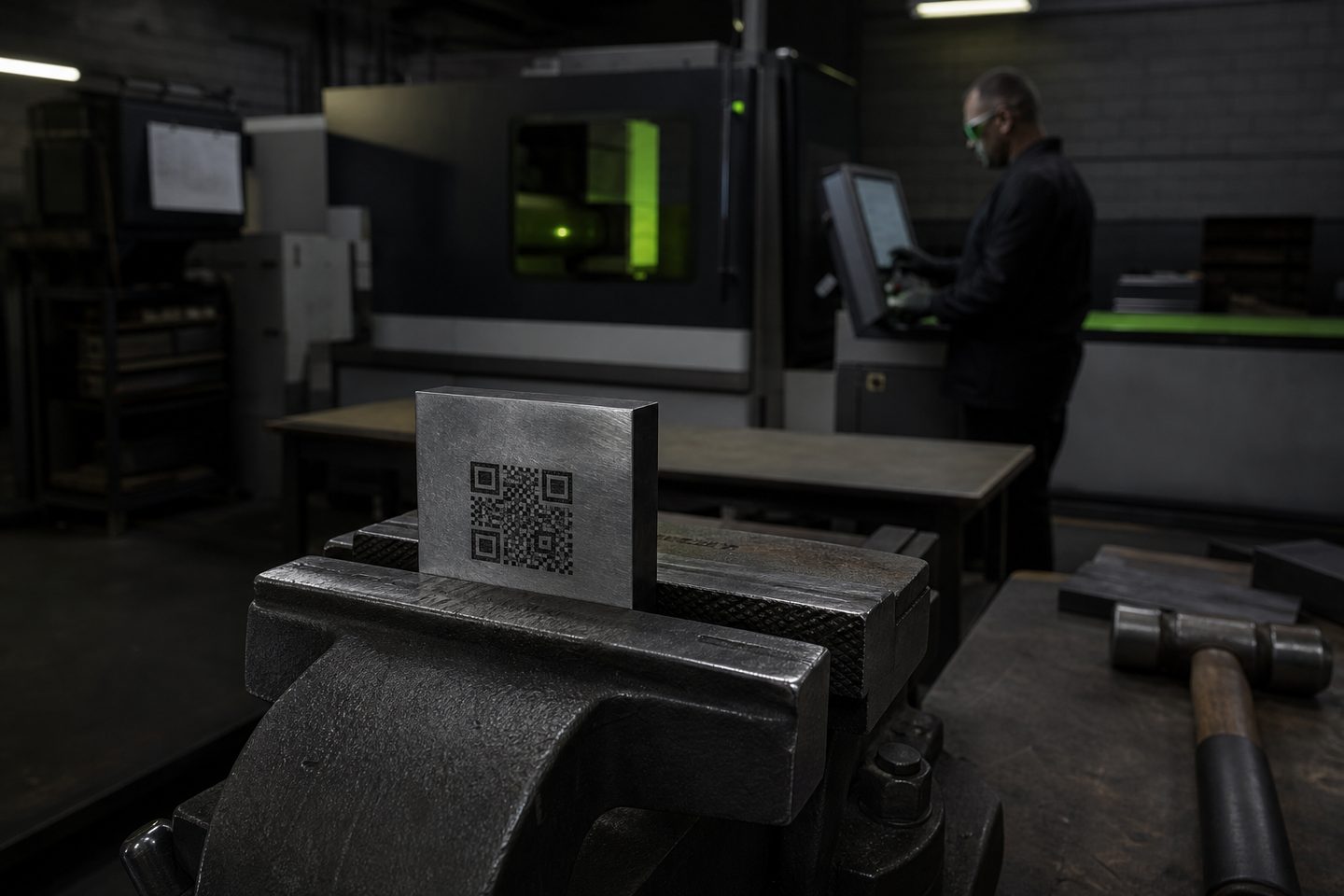
Tool and die marking in South Africa calls for deep, permanent identification on hardened steels and inserts. Losing a tool in the rack is costly, so marks must last.
Systems
Start with these systems
Deep engraving
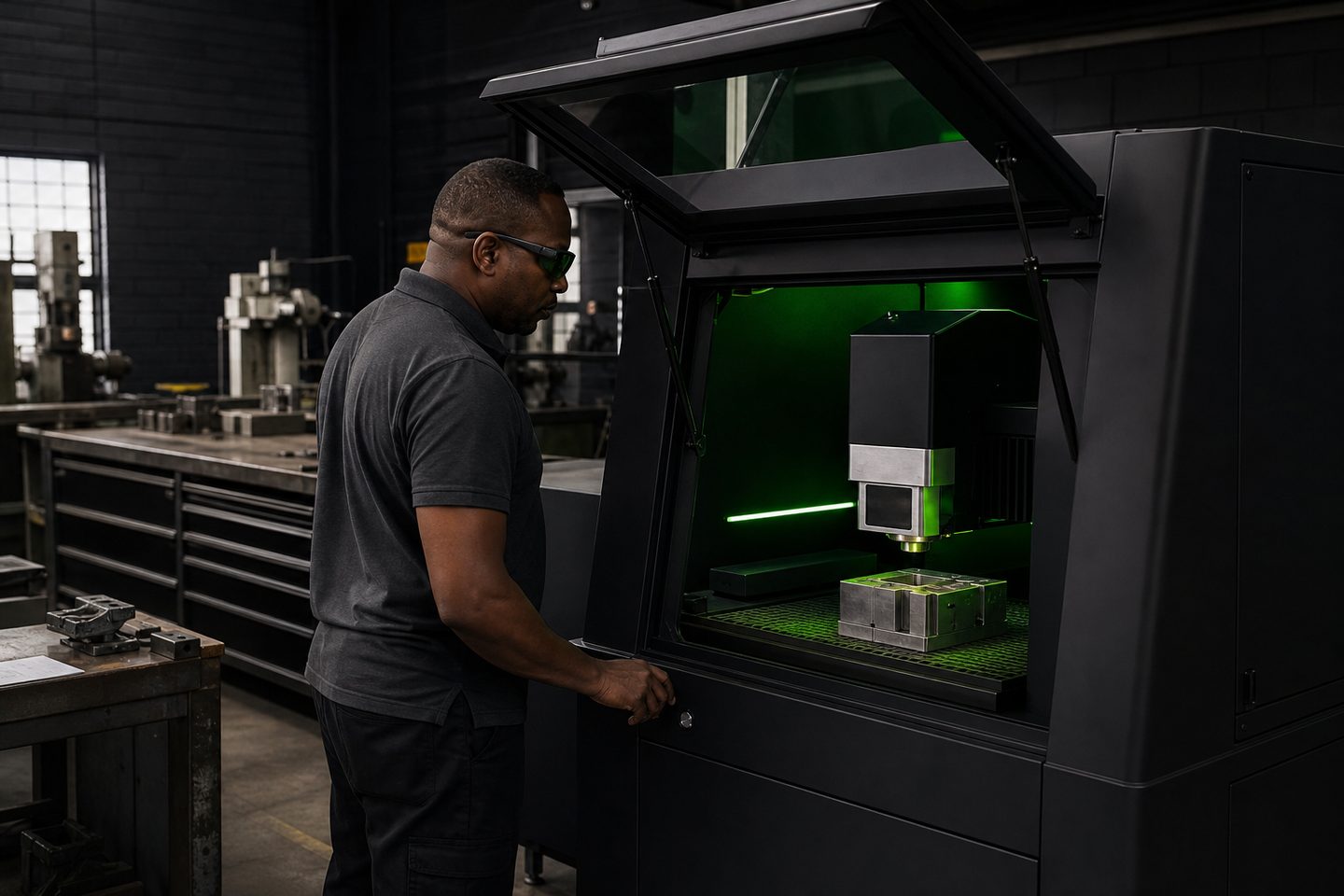
EngraveFab 50
Higher-energy fibre engraving for deep marks, mould inserts, and tooling IDs that must stay readable after wear.
Explore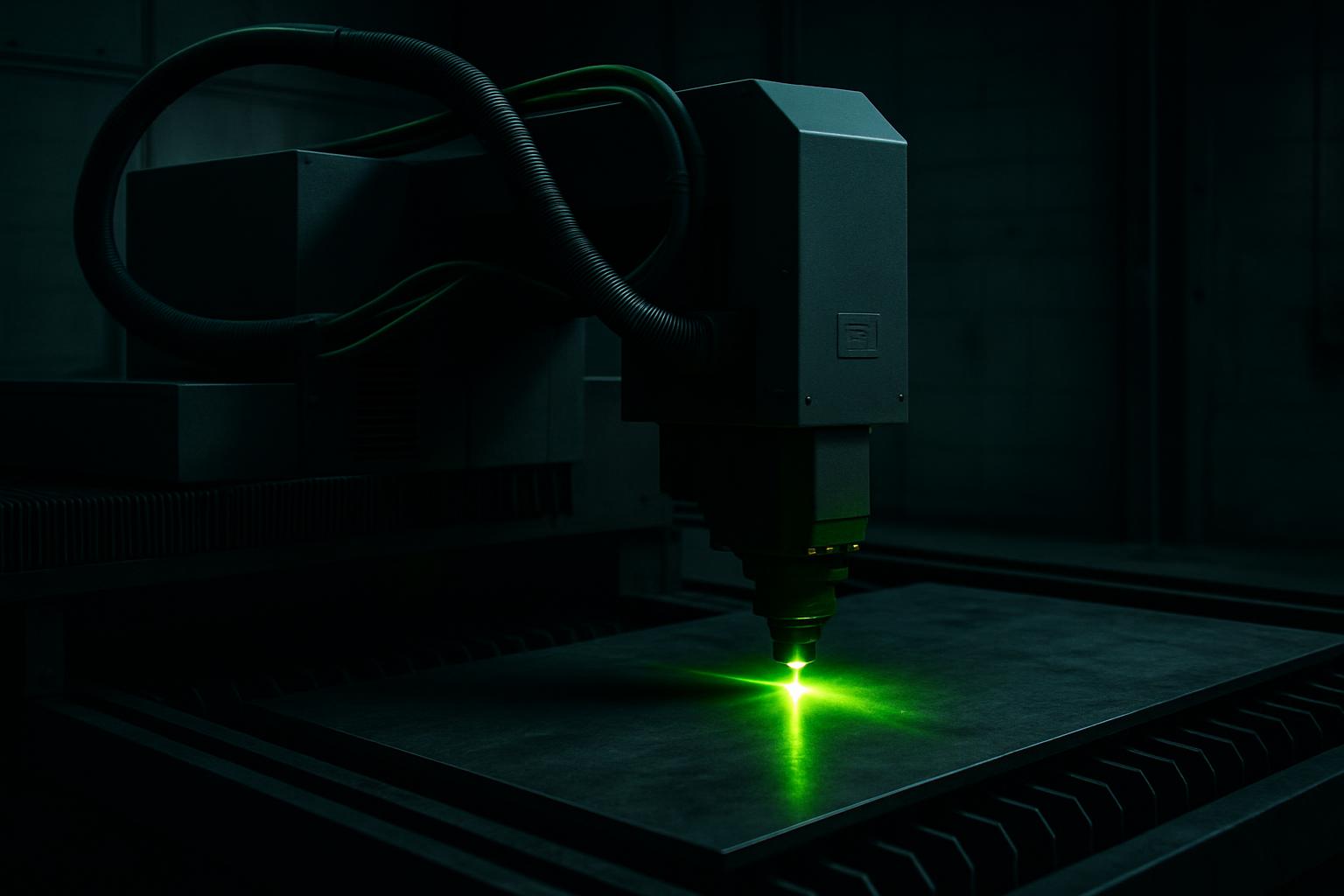
Fibre marking
Mark Pro 30
A compact fibre marking cell for durable serials, logos, and part identification on SA job-shop steel.
Explore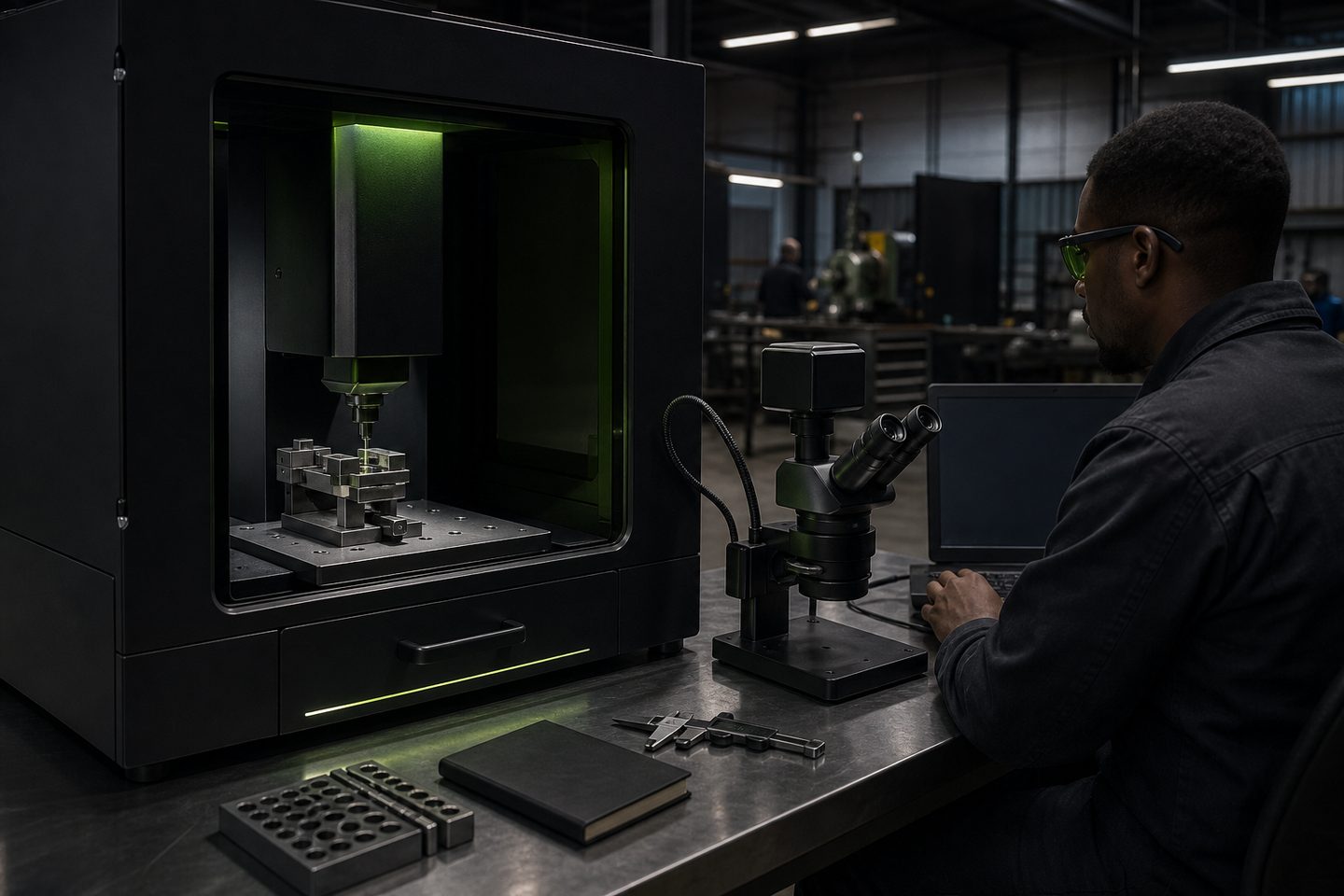
Precision micro
MicroMark Lab
Fine-feature fibre marking for medical, electronics, and jewellery work where character height and contrast are tight.
ExploreTypical parts and materials in South African toolrooms
Toolrooms here mark a range of hard metals: D2, H13, P20, mild steel and pre-hardened steels for press tools, moulds, punches and die inserts. We also see aluminium and copper alloy dies, especially in automotive and packaging plants. Marks must handle wear, cleaning, and sometimes heat. Surface finish and hardness vary, which affects engraving depth and legibility.
Many shops still rely on hand-stamping or dot peen, but these methods dont give the control or durability needed for modern tracking. Fibre laser engraving solves this by giving repeatable, high-contrast marks that last through years of use. On the Highveld, we see a lot of galvanised or plated tools where fume extraction matters due to zinc or chromium content.
Fibre laser systems that suit tool and die marking
Deep, wear-resistant marks call for higher-energy engraving systems. The EngraveFab 50 is ideal for toolrooms needing deep IDs, insert codes or logo engraving into hard steel or alloy dies. If you only need surface marks for tool tracking, the Mark Pro 30 offers precise marking for part identification, serials and QR or Data Matrix codes. For very fine features, medical devices, micro tools or electronics dies, the MicroMark Lab delivers precision micro-marking.
All these systems use fibre lasers at about 1064 nm, which is invisible and carries Class 4 laser hazards in open marking cells. Safety eyewear must be rated for the fibre wavelength.
A typical tool and die marking job from drawing to finish
Most jobs start with a part drawing or existing sample. You choose what to mark: ID numbers, insert orientation marks, logo, or QR. The process usually runs as follows:
- Send us a drawing or sketch showing the required mark, its position and size
- We review material and surface state (hardened, coated, rough or ground)
- Our applications team suggests the right system and mark depth
- A test mark may be run at Sunnyrock HQ for approval
- Approved settings are loaded in the system, and the mark is applied
- Finished part is checked for depth, clarity and readability after cleaning
Common quality problems and how to avoid them
Two main issues show up in toolroom marking: marks too shallow to survive use, or marks distorted by heat or spatter. Shallow marks happen when the power, speed or focus are set for soft metals, not hardened steel. Deep engraving needs the right settings and multiple passes, especially on high-hardness dies.
Another problem is poor fume extraction. Zinc or chromium compounds from coated or stainless parts settle on optics, cutting quality and damaging the protective window. Check that your fume extraction is working and clean the window daily. If you ever see a cloudy mark or fine dust on the window, stop and clean before the next job. Skipping this step can lead to costly downtime.
What to send us for sample marking or test runs
To run a proper sample, send us a part or a coupon of the actual tool steel or alloy, with the intended surface finish. A drawing showing exactly where and how big the mark should be saves time. If possible, say if the part is hardened or coated.
Also let us know what the mark must survive (oil, cleaning, shot-blast, years in a hot press) and if you need serial numbers, logos or codes. Our applications team at Sunnyrock, Ms Kelebogile Nxumalo for first-article reviews, will set up a test on the right system and send you a marked sample or a report.
What our Fibre Laser customers say
Verified Google reviews