Beam notes
Stainless without tea stain
Stainless for kitchens should stay bright and clean, but the wrong steps in cutting or marking can cause tea staining or rust marks. Here is how we keep it right.
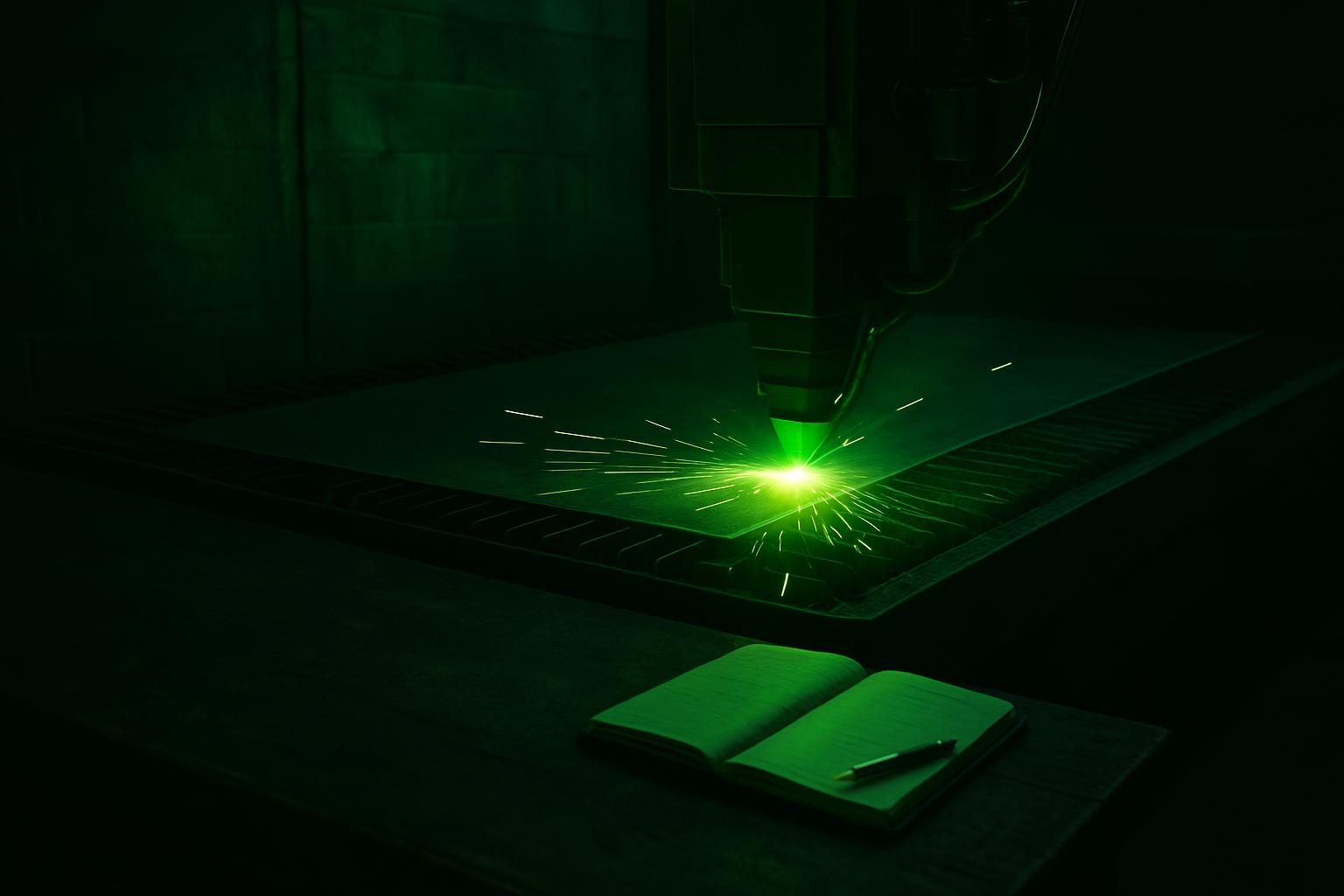
Why tea stain happens on kitchen stainless
On kitchen and food prep stainless, even a faint brown tea stain or rust line is a call-back waiting to happen. Most times it is not the steel’s fault, but how we cut, mark, handle or finish the part. Highveld dust, fingerprints, water spots and the wrong edge prep all play a role. It is especially common on 304 grade in coastal or humid kitchens, but poor edge management can catch you anywhere in South Africa.
Workshop habits and machine settings can easily undo a good coil or sheet. Cut edges are one risk, but so are heat marks and oxide layers from laser processes. Tea stain is not deep rust, it is surface iron contamination or oxide, and it spoils the look, especially on visible parts like splashbacks, sinks, rails and kickplates.
What we have learned to prevent marks
The assist gas has a big impact. Oxygen is common for mild steel, but on stainless it leaves a dark oxide edge that can start tea stain if not removed. Nitrogen is best for most kitchen grades because it gives a bright, clean cut and stops surface oxidation. We see more complaints from jobs cut with oxygen or air despite the lower gas cost.
Edge quality comes down to settings, nozzle alignment, and keeping the protective window under the head clean. Any spatter or back-reflection can mark the steel or dirty the optics, which then burns on later parts. On marking, too much power or speed that is too slow can cause deep burns or re-melted edges. For medical or kitchen parts, we keep marks shallow, preferably annealed, so the surface is not broken and the passivation stays intact.
A real job where details mattered
A client in Durban sent us a batch of balustrade panels with brown streaks along the cut edges after two weeks on site. The original sheets were grade 304, cut with compressed air assist to save on nitrogen. The shop skipped a post-cut cleaning step, thinking stainless is always rust-free.
We checked the process and found minor splatter and oxide along the edge, and some fingerprints from post-cut handling. After a proper clean with a stainless pickling gel and a warm rinse, the marks came off. The shop updated their cutting cell to use nitrogen on all kitchen work and trained staff to wear gloves during handling. No more call-backs since.
Steps to keep stainless bright in your shop
If you run regular kitchen or food-grade stainless jobs, these steps help keep tea stain away and reduce rework.
- Use nitrogen as assist gas for cutting 304 or 316 parts
- Check and clean the protective window daily before starting
- Set the cut parameters for minimal burr and full penetration, with low heat input
- Handle cut parts with clean gloves to prevent fingerprints
- Clean edges with a dedicated stainless cleaner or pickling paste if any oxide or brown tint is visible
- Avoid marking deeper than needed: use anneal settings where possible
When to ask us for help
If you keep seeing tea stains, edge rust or black marks after cutting or marking, it is worth a stop to review your process with us. We can help check your CutLine settings, gas supply, optics condition or even run a proof part at Sunnyrock HQ.
Send us a message through our contact form, say which system you use and what material is giving trouble. We can organise a quick review or a remote check of your process. For coastal clients, we also give advice on handling and packaging stainless for transit.