Cut
HVAC ducting
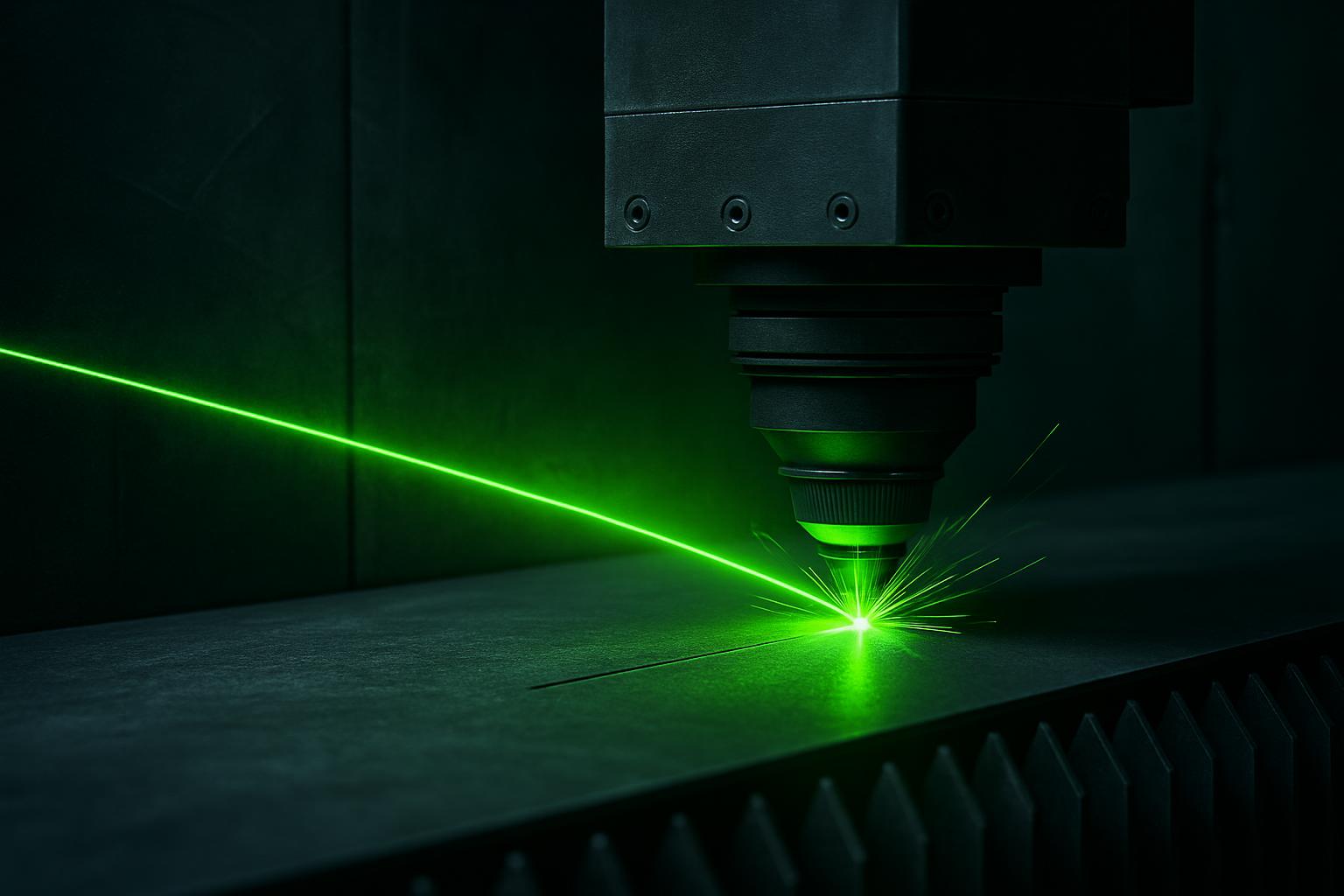
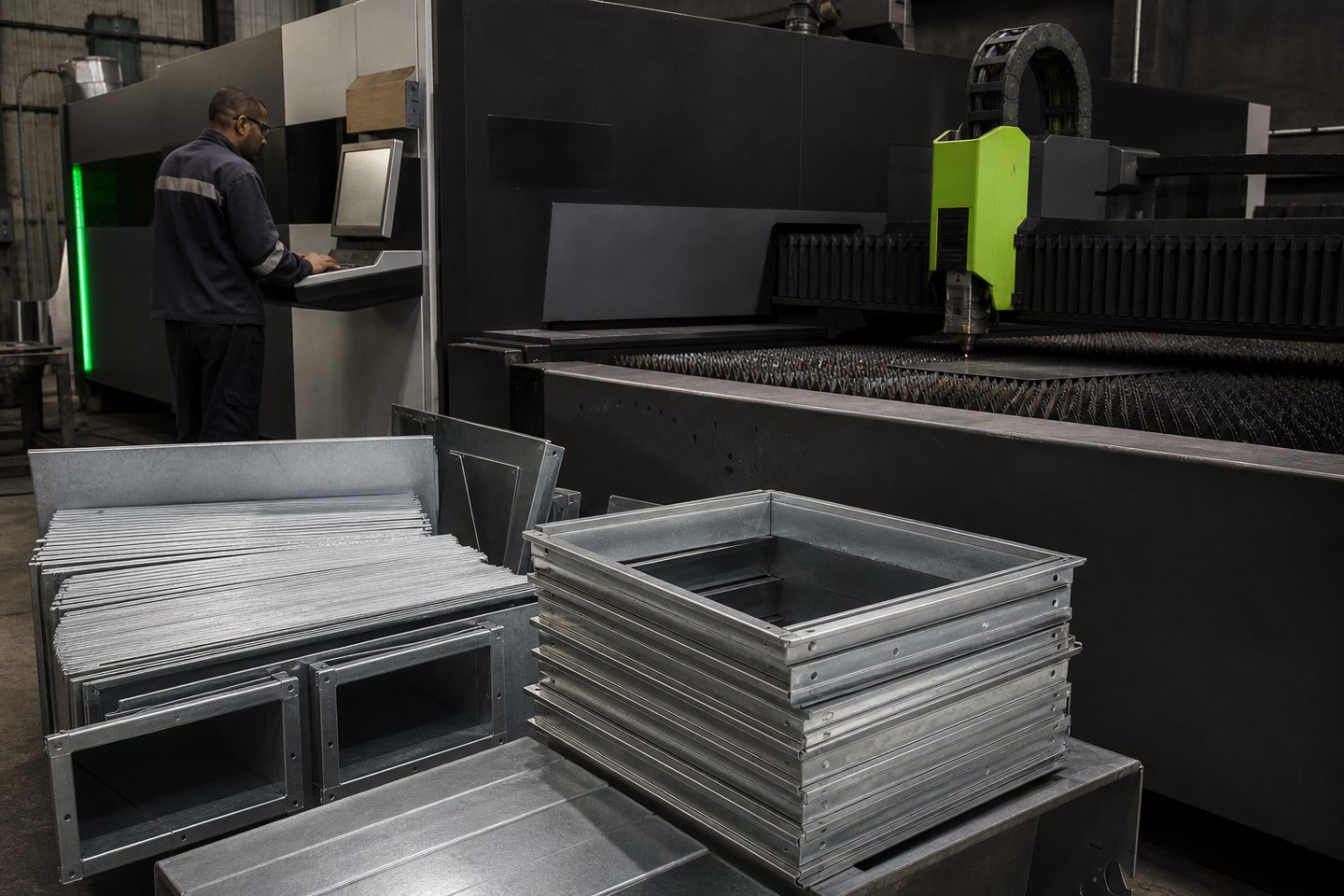
Ductwork means thin-gauge galvanised sheet, tight bends, and true folds. Fibre laser cutting keeps nests tight and flange detail sharp for HVAC shops.
Systems
Start with these systems
Sheet cutting
CutLine 1500
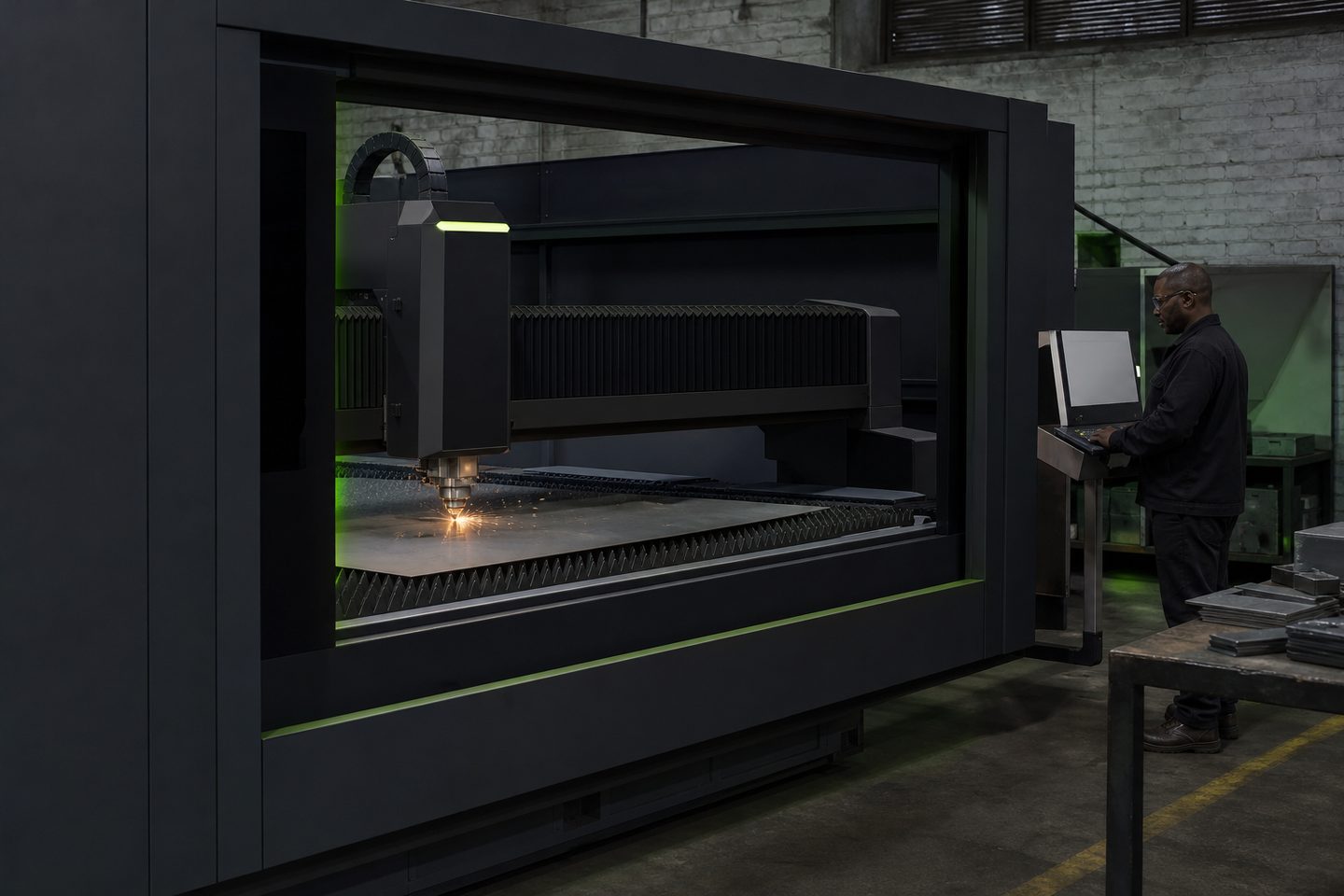
A production-ready fibre laser platform for sheet-metal work and repeatable cut quality on Gauteng floors.
Explore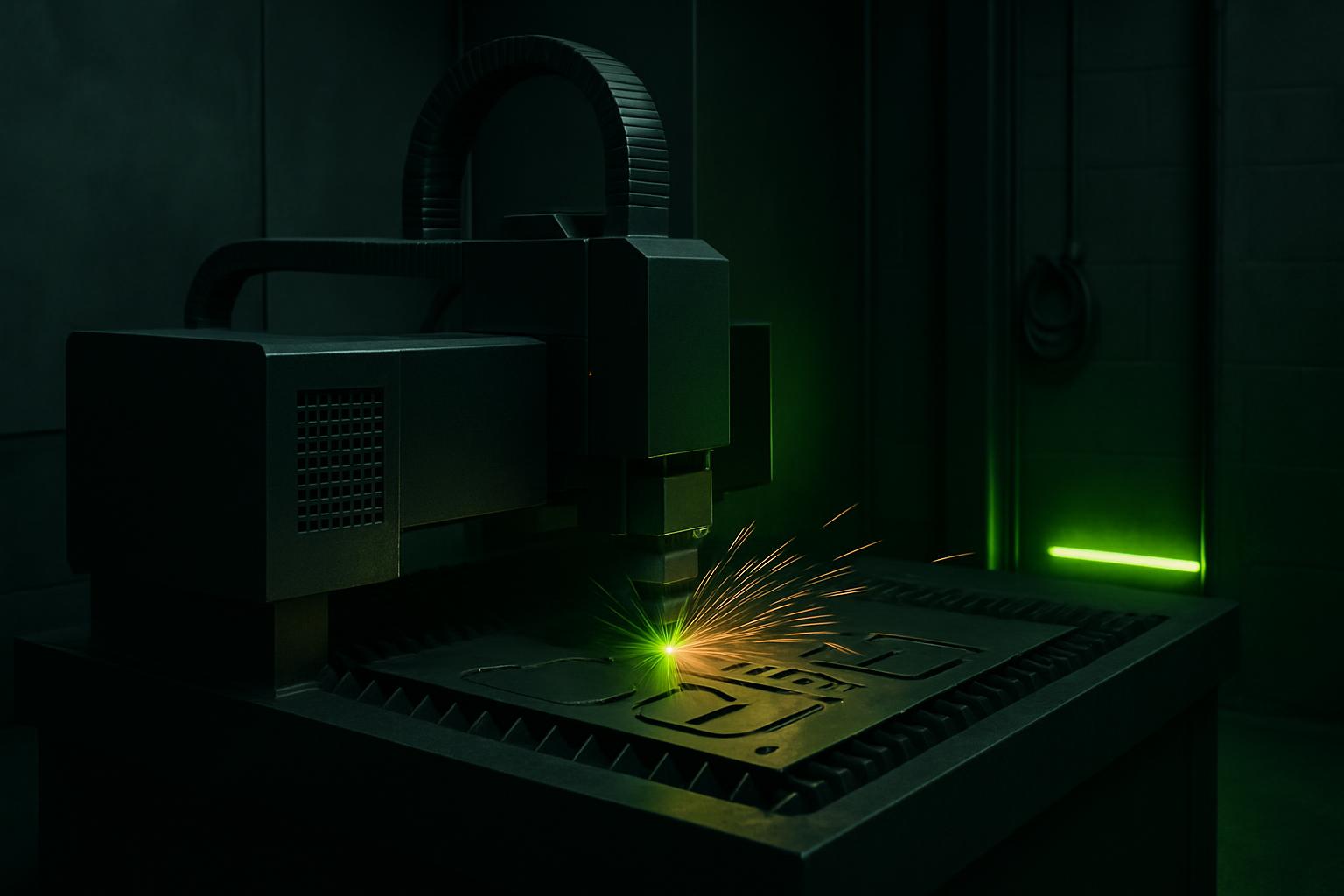
Nesting software
SheetNest Pro
Nesting software and nest briefs paired with CutLine cells, so scrap, pierce order and remnants stay under control.
Explore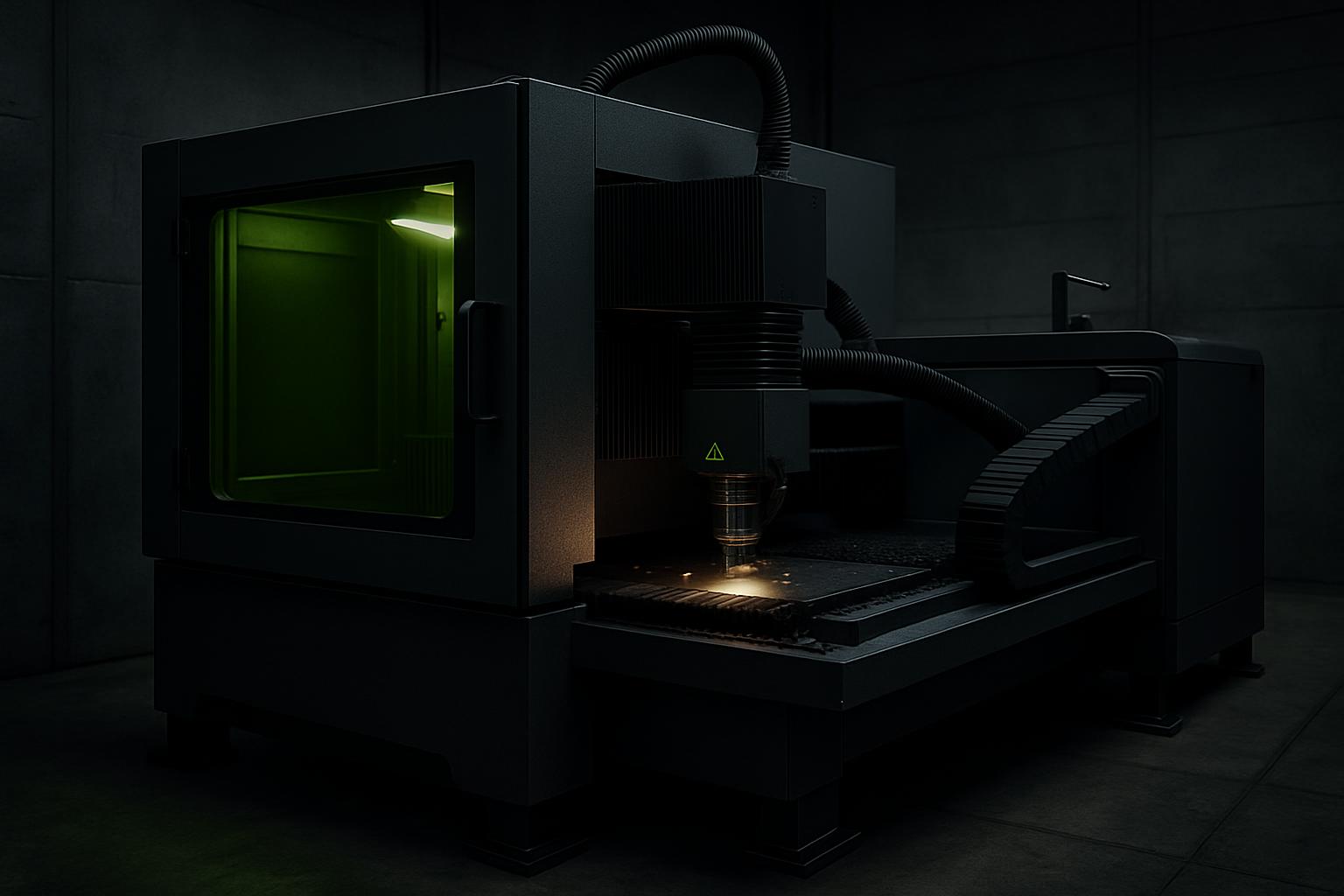
Auto feed
AutoFeed Cut
Automatic sheet loading for CutLine cells, so longer nests run with fewer manual sheet changes.
ExploreCommon materials and parts in South African HVAC ducting
Most HVAC ducting in South Africa uses galvanised mild steel sheet from 0.5 to 1.2 millimetres, but aluminium is common near the coast for corrosion resistance. Typical parts include straight duct runs, bends, reducers, T-sections, spigot plates and flanges.
Flanges, reinforcing rings and corner plates are often cut from the same gauge as the main duct or slightly heavier. Smaller parts like access doors or grille surrounds may use stainless, especially for food plants, hotels or hospitals.
Galvanised sheet produces zinc fume when cut, so every ducting shop should have good local extraction and keep machine covers closed during cutting.
Choosing the right laser system for HVAC duct jobs
The CutLine 1500 is the workhorse for HVAC ducting. Its 1500 mm class bed takes standard sheet sizes and has the accuracy to hold true flange positions and lock-form seams. It pairs directly with SheetNest Pro for nesting whole jobs in one go.
For bigger batches or longer nests, AutoFeed Cut automates sheet loading on the CutLine. This cuts manual handling, saves time, and keeps the cell running with less downtime, which matters when the fabrication shop is busy.
We see Gauteng and Durban shops using these systems for everything from plant rooms to shopping centre runs. Always match the cell’s size to your sheet stock, measure twice before committing to a cut.
- CutLine 1500 for HVAC sheet cutting
- SheetNest Pro for tight nesting and reduced scrap
- AutoFeed Cut for high-throughput, hands-off runs
Typical workflow from drawing to finished duct part
A ducting job starts when you receive or draw the part geometries, usually as DXF or DWG files. Clean up the drawing to line up bends, notches and flange cues. Good nesting software like SheetNest Pro groups parts efficiently and adds markers for bends, folds and cut-outs.
Export the nest for the CutLine 1500, check that the material matches the settings, and fit the correct nozzle and protective window. Position the first sheet, check for clamps and interlocks, then run the extraction.
After cutting, parts move to the folding or lock-form bench. Clean the edges, check flanges for burrs and fit. Mark any non-standard parts for traceability, especially for hospital or food plant jobs.
- Prepare flat pattern drawings
- Nest with SheetNest Pro
- Load sheets and check setup
- Run extraction, cut and unload parts
- Edge clean, fold and assemble duct sections
Common quality issues and prevention tips
Burrs on flanges or tabs usually mean the cut speed or focus is off or the protective window is dirty. Always check the window daily and use the correct settings for galvanised sheet.
Rounded corners or poor fit at joints point to worn consumables or loose calibration. Run a daily calibration check, and change nozzles and windows before they cause a run of scrap.
Poor edge finish or dross under the cut is often extraction or assist gas related. For galvanised, clean, dry compressed air or nitrogen works well. Avoid oxide layers if you plan to powder coat or paint.
What to send us for sample cuts or advice
We can run test cuts or sample nests at Sunnyrock HQ. For HVAC ducting, upload a DXF or DWG of your typical flat pattern, note the gauge and material spec, and mention any flange, notch or fold details that matter.
If you have a tricky bend, a non-standard flange or a problem with burrs or dross, mention that in your message. Our team can advise on settings, nesting and after-cut handling for Galv, aluminium and stainless.
- Flat pattern DXF or DWG files
- Material and thickness details
- Flange, notch and fold notes
- Any edge or fit issues you face
What our Fibre Laser customers say
Verified Google reviews