Beam notes
Facade edges that read clean
Laser-cut architectural screens only look their best when the edge lines are crisp and blemish-free. Here is how we keep facade panels reading clean in the final build.
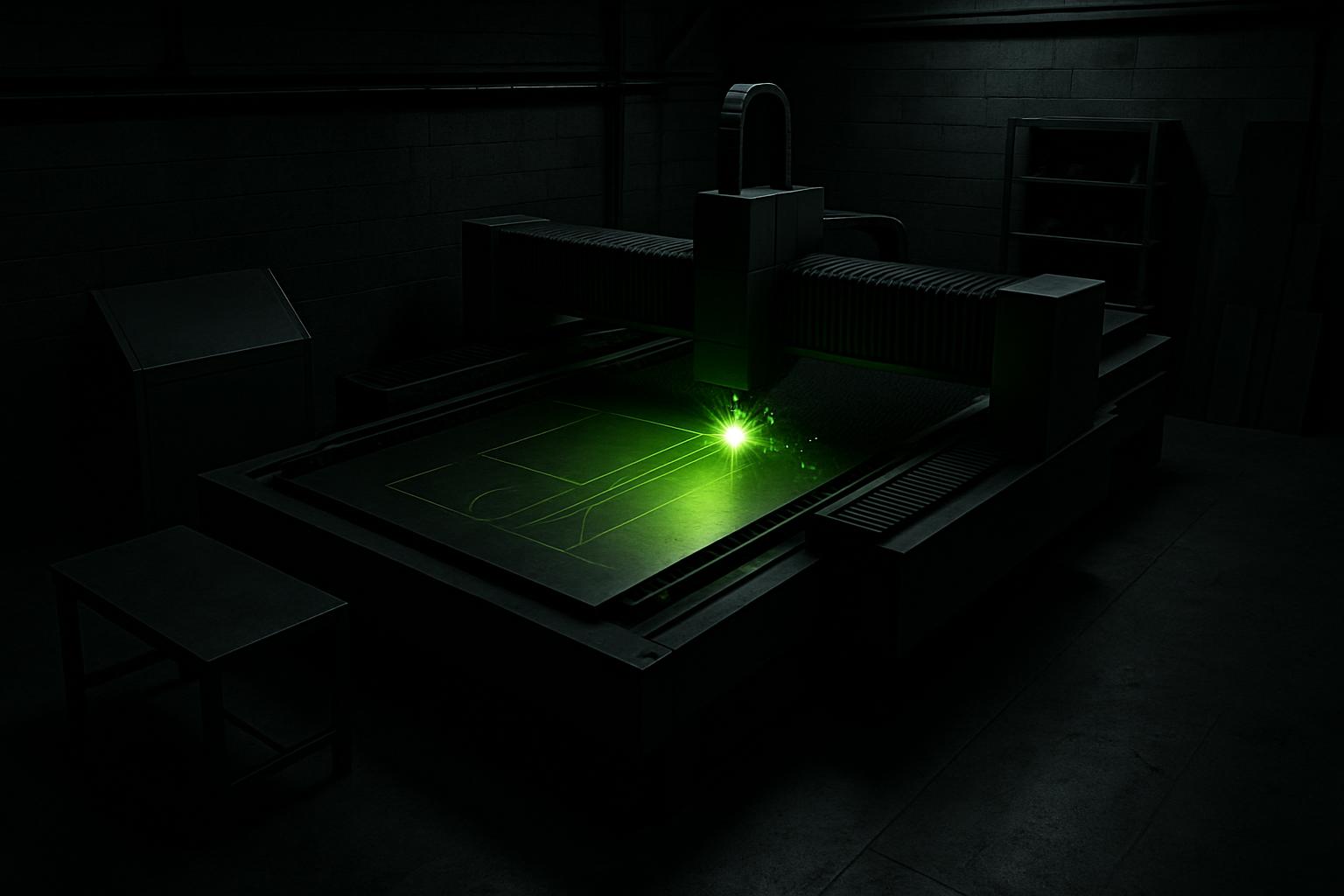
Why facade panels demand clean edges
On most commercial jobs, the edge quality of laser-cut screens is the first thing architects and clients notice. Jagged edges, oxide smears or dross can spoil the visual line, even if the rest of the fabrication is precise. This is especially visible on powder-coated aluminium or stainless features where light catches every imperfection.
In South African conditions, we see many projects where site dust, hot rolling scale or inconsistent assist gas supply make clean edges difficult to achieve. The pressure to finish on time often means that post-cutting cleanup is rushed, which just moves the problem downstream to installers or painters.
Lessons from daily jobs and first articles
What we have found in reviews at Sunnyrock is that three factors matter most: the choice of assist gas, the condition of the protective window, and the stability of the sheet on the bed. For facade work, we nearly always use nitrogen for aluminium and stainless, as it prevents oxide layers and gives a bright, clean finish. On mild steel, oxygen cuts faster but leaves an oxide that must be removed for a proper paint bond.
A dirty protective window can scatter the beam, causing rough or burned edges. We recommend checking this daily and replacing it if there is any sign of spatter or fogging. When cutting perforated or expanded patterns, it is also critical to clamp or weight the sheet securely, as vibration causes edge chatter that cannot be buffed out.
Where clean edges save the job
On a recent project for an office block near Sandton, the client rejected a run of aluminium screens because the edges showed streaks and heat haze from a failing chiller unit. The cutting cell was fine on earlier jobs, but a blocked condenser meant the laser head overheated and the focus drifted.
After a full clean and a chiller service, repeating the cut with fresh nitrogen gave a flawless result. The project lead told us their painters saved hours as there was no need to sand or prime the edges. That batch went to site on time and the facade looked as drawn.
Steps for consistently smooth facade edges
Keeping facade panels sharp is about discipline, not luck. Here are the fundamentals we apply before every architectural job, regardless of the metal or finish.
A systematic approach saves hours on rework and keeps both architects and installers happy.
- Use nitrogen for stainless and aluminium, oxygen only if painting mild steel and clean after
- Check the protective window under the head every shift
- Secure the sheet firmly to prevent vibration or slippage
- Keep the cutting nozzle clean and replace when worn
- Monitor chiller performance, especially in dusty or humid shops
- Inspect edge quality on first articles before running the full nest
When to reach out for support
If you see unexpected edge defects, stubborn oxide stains or marks that will not buff out, it is time to pause. Often the issue is a combination of settings, optics or gas quality and can be resolved on a call or site visit.
For first-article signoff, a tricky batch with odd geometry, or when you are repeating a facade pattern for a high-visibility job, send us a message through our contact form. Bring a photo, a sample or your cut brief, and we will help you get the result right the first time.