Project
Gqeberha chassis cell
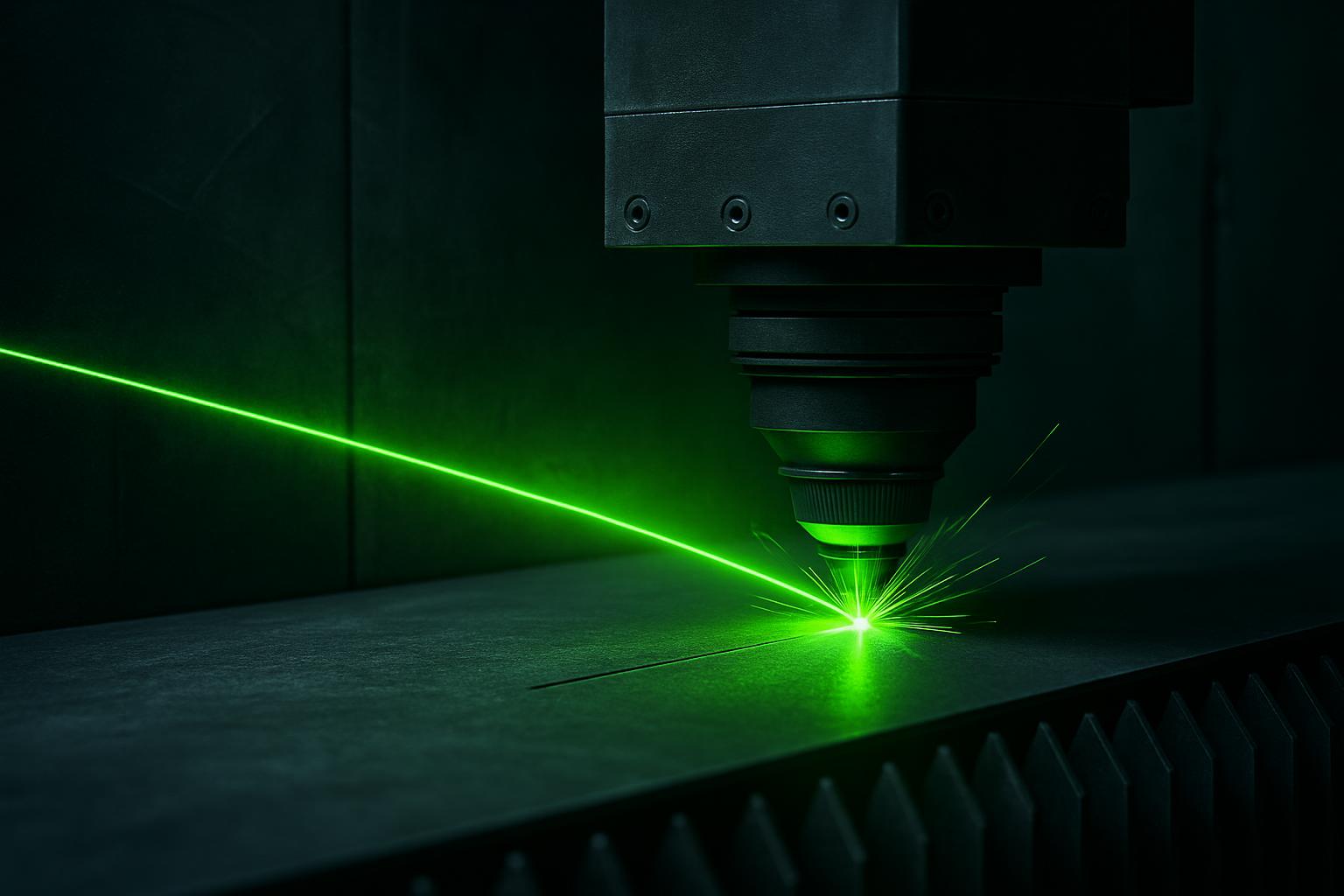
A Gqeberha electronics shop needed to nest and cut thin chassis parts efficiently for small-batch runs. We set up a tailored fibre laser cell to handle their demands.
Related cut: electronics chassis
Challenge of cutting thin chassis in the Eastern Cape
The electronics workshop in Gqeberha was struggling with the frequent need to produce thin steel chassis in short runs, each with tight tolerances. Their older cutting process left too much edge burr and required plenty of manual finishing. The humid coastal air didn’t help, making corrosion and rust on stacked parts a headache between stages.
With demand growing but batch sizes staying small, they needed a way to keep part quality up and reduce unnecessary handling. Their team also wanted to move from manual layout to software-driven nesting so they could get more usable parts from each sheet.
Our setup and why we chose these systems
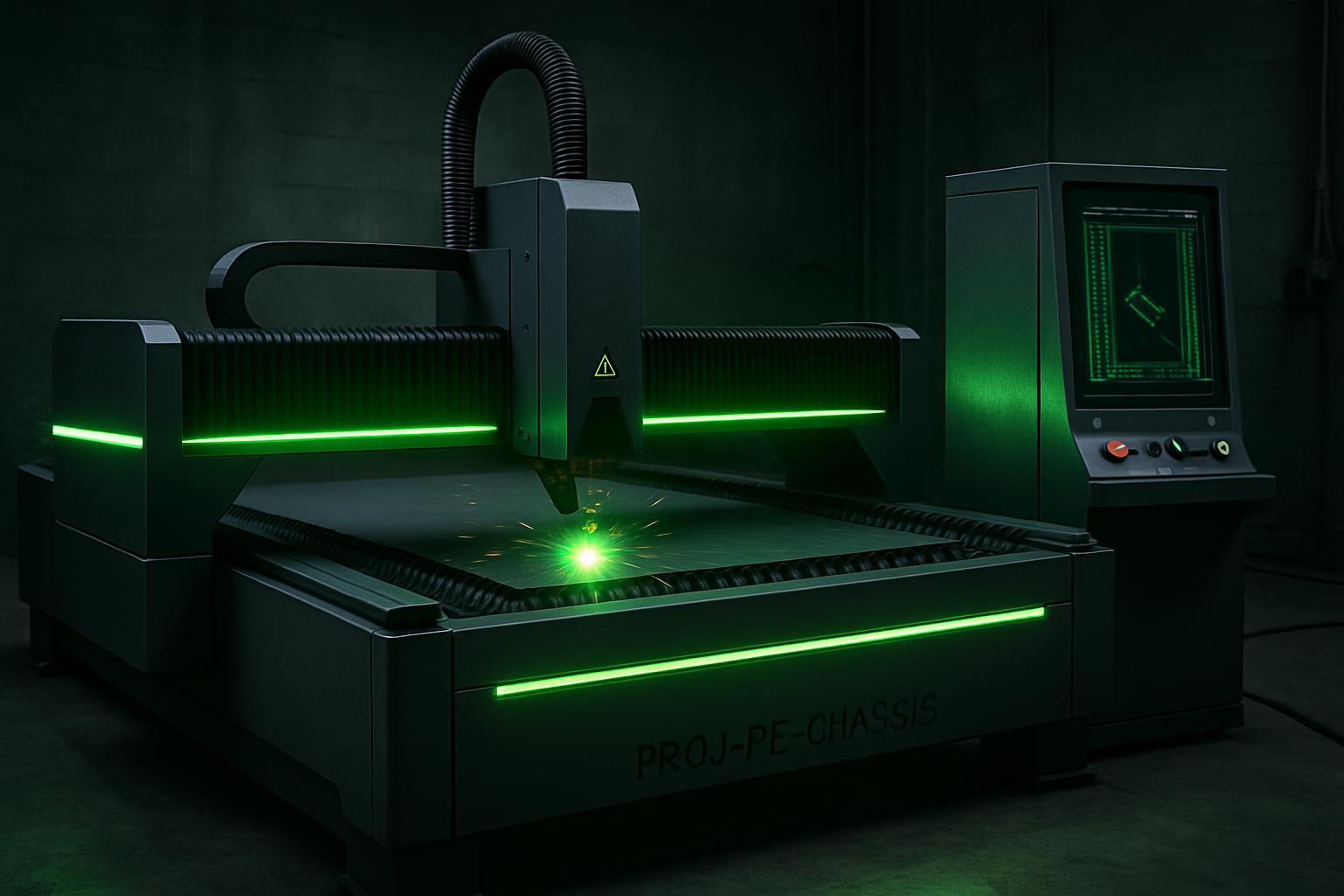
After a full review on site, we recommended the CutLine 1500 with SheetNest Pro software for nesting control. This combo suits thin gauge work and lets the shop load prepared nest briefs for each job. Nitrogen was set as the assist gas for oxide-free edges, which cuts down on extra sanding before parts went for paint or assembly. We stressed proper local exhaust extraction to handle metal fume, especially from galvanised sheet.
Our team trained their operators on safe laser practice, including regular checks on the protective window under the cutting head. The machine was set up to run on their existing 230 V supply for the control side, while cutting required a stable three-phase feed. We made sure their electrical install had a new Certificate of Compliance before first power-up.
What changed after months of production
A few months in, the shop found that part accuracy improved and the team could finish batch jobs in less time, with less rework. Nesting software meant fewer offcuts and the operators were soon organising their own nest batches for each customer order. They mentioned that dust from the street outside does mean the filters and chiller need more regular attention, but it’s manageable with a simple cleaning schedule.
Not having to remove heavy oxide from edges before painting really sped up the process. They also noticed that with good nitrogen supply management, the cost per part held steady even as they took on more small runs.
Advice for other workshops in coastal areas
For any workshop on the coast, dealing with humidity and fine airborne dust is just part of the job. Stay on top of exhaust filter changes, and watch for condensation inside the chiller, especially in winter when the coolant can run colder than the air.
Take time to match your nesting software settings to your typical sheet sizes and part shapes. If you’re running thin stainless or galvanised, nitrogen cuts cleanup time, but dont forget to organise regular gas deliveries. Setting up a cleaning routine for optics and filters keeps the system reliable.
- Use nitrogen for oxide-free edges on chassis work
- Keep filters and chiller clean in dusty or humid conditions
- Set up nesting briefs before each batch
- Monitor for condensation in the chiller during cold snaps
- Log maintenance and cleaning tasks weekly
What our Fibre Laser customers say
Verified Google reviews