Project
Midrand job-shop nesting
A Midrand job shop faced rising demand for mixed-gauge sheet metal work. CutLine and SheetNest helped them organise nests, boost throughput and handle shifting order types.
Related cut: sheet metal job shops
The challenge of handling mixed-gauge work
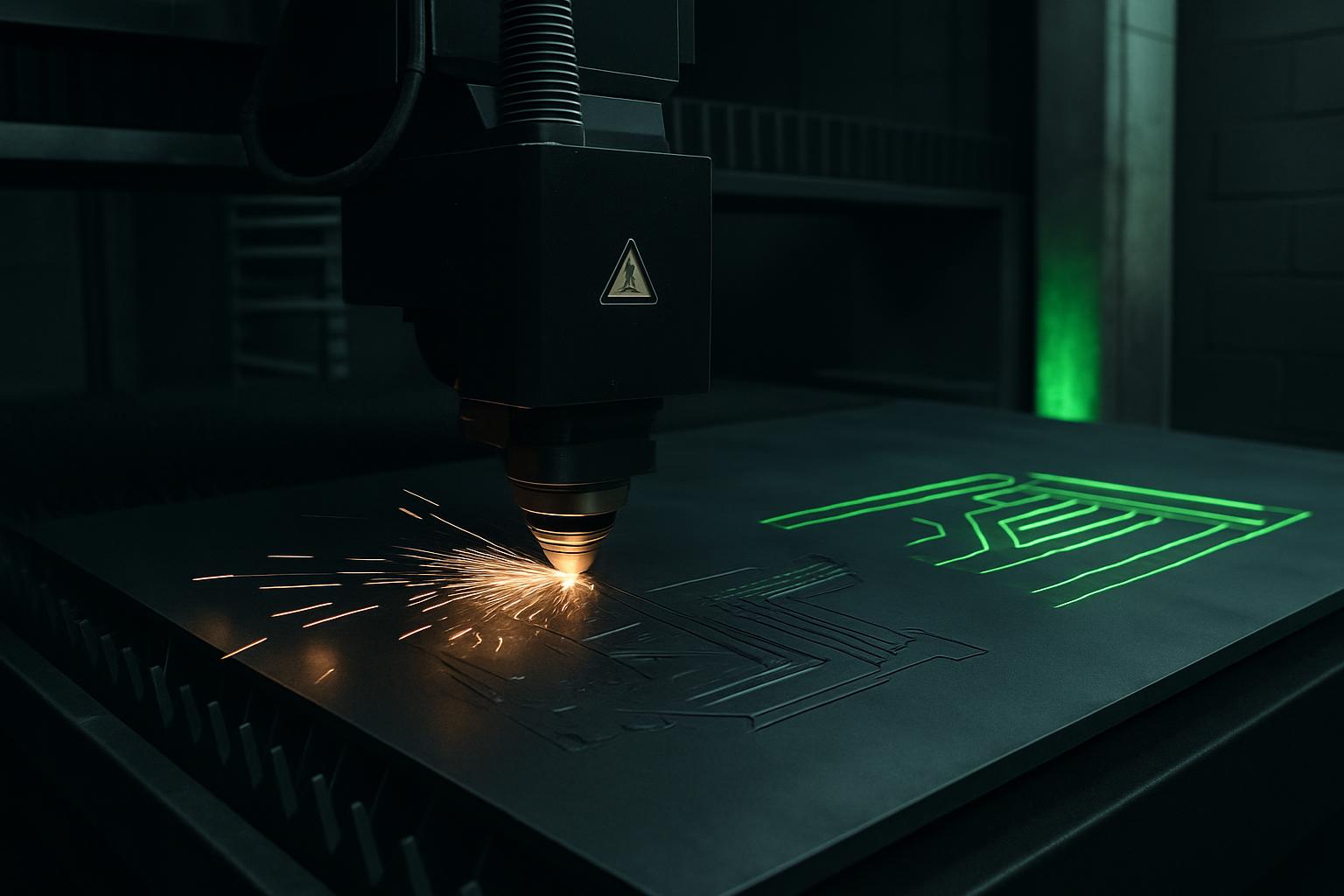
In Midrand, one fabrication job shop was juggling a range of gauges and short-turn orders, with projects swinging between mild steel, stainless and aluminium. Their old process involved manual layout with a lot of wasted offcuts and frequent rework each time a rush job landed. Consistency was a headache, especially with varying operator experience and the typical Highveld dust creeping into the shop.
They needed something that could take their real-world mix, thin and medium sheet, basic brackets and more complex frames, and turn it into workable nests with minimal scrap, while keeping up with customer changes and last-minute add-ons.
Implementing CutLine and SheetNest for better nesting
We recommended the CutLine 1500 system paired with SheetNest Pro nesting software. The CutLine offered the right bed class and power for their typical work, and SheetNest was key for creating efficient nests across multiple gauges. We set up a standard nest brief process where jobs were grouped by material and thickness at the planning stage, making use of SheetNest’s ability to shuffle parts for best material yield.
We also suggested regular cleaning of the protective window and extractor filters, given the fine dust in Midrand, and ran a cut test on-site for each main material. Our team showed their operators how to save and re-use nest patterns for repeat jobs, and how to flag urgent orders without disrupting the entire production flow.
Results after a few months of production
After a few months, the shop saw smoother shifts with less scrap and quicker setups for mixed batches. Operators found it easier to repeat or tweak previous jobs using saved nest briefs in SheetNest. Planning ahead by material meant fewer part shortages mid-run, and feedback from the team was that job changes were less stressful.
The shop reported fewer rejected parts after switching to nitrogen on stainless and aluminium, and better edge finishes for jobs that needed powder coating. Routine extraction maintenance also cut down on fume build-up, improving the working environment.
Lessons for other fabrication shops
Grouping jobs by material and thickness before nesting saves both sheet and time, especially in contract work with frequent spec changes. Setting up and maintaining a basic nest brief library helps new operators and keeps quality steady across shifts.
Midrand’s dry, dusty conditions mean regular maintenance on filters and optics is a must. Even if your jobs are mostly short runs, planning nests and prepping materials in batches can help you keep up when orders spike or shift suddenly.
- Group jobs by gauge and material for efficient nests
- Save and re-use nest patterns for repeat work
- Clean optic windows and extraction filters routinely
- Pre-plan urgent jobs to avoid production bottlenecks
What our Fibre Laser customers say
Verified Google reviews