Project
Centurion HVAC nests
We helped a Centurion HVAC fabricator improve duct nesting and folding for leak-free, true-fit systems using the right fibre laser tools and software.
Related cut: hvac ducting
Getting ductwork to fold and seal first time
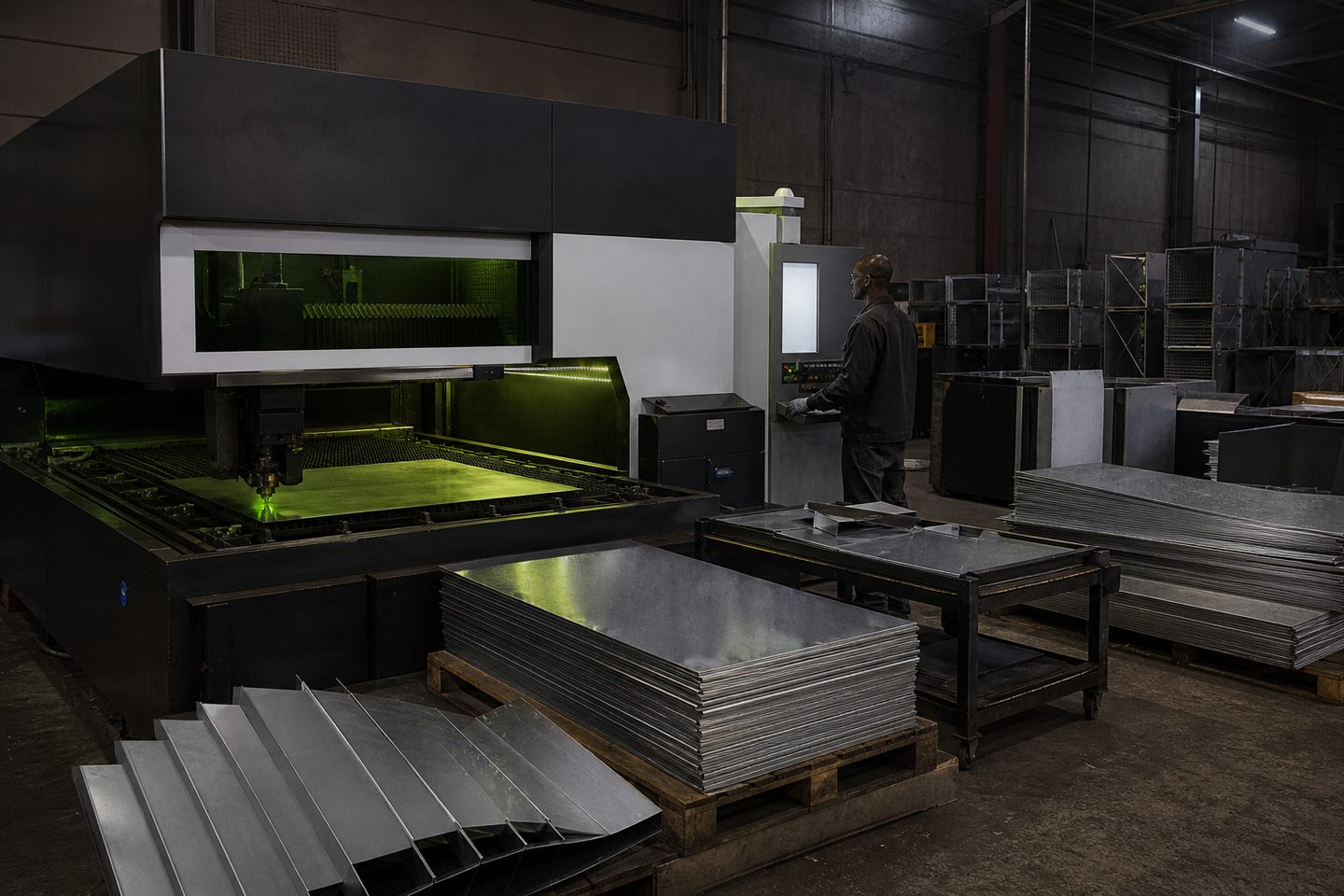
A Centurion-based HVAC workshop was struggling to get consistent, clean folds on ductwork sections, especially where bends and tapers had to seal tight for commercial aircon installs. Cutting errors and hand corrections led to leaks and wasted time on site. The team needed to improve both the accuracy of their duct cutting and the way nests were prepared for folding, as gaps and overlaps meant more labour and sealant.
Local conditions add challenges: Highveld dust, fluctuating temperatures, and tight job-site deadlines all mean any rework or misfit slows the project and hits costs. They wanted a way to get nests that folded right, matched the gauges they used, and fitted within their shop’s space and workflow.
Switching to smart nesting and clean fibre cuts
We recommended pairing our CutLine 1500 fibre laser with SheetNest Pro, our own nesting software, and briefed the team on how to set up nest patterns for typical duct layouts and branches. The first step was a sample run at our Sunnyrock HQ, where Ms Kelebogile Nxumalo led a review of the folding accuracy on their actual gauge and duct shapes.
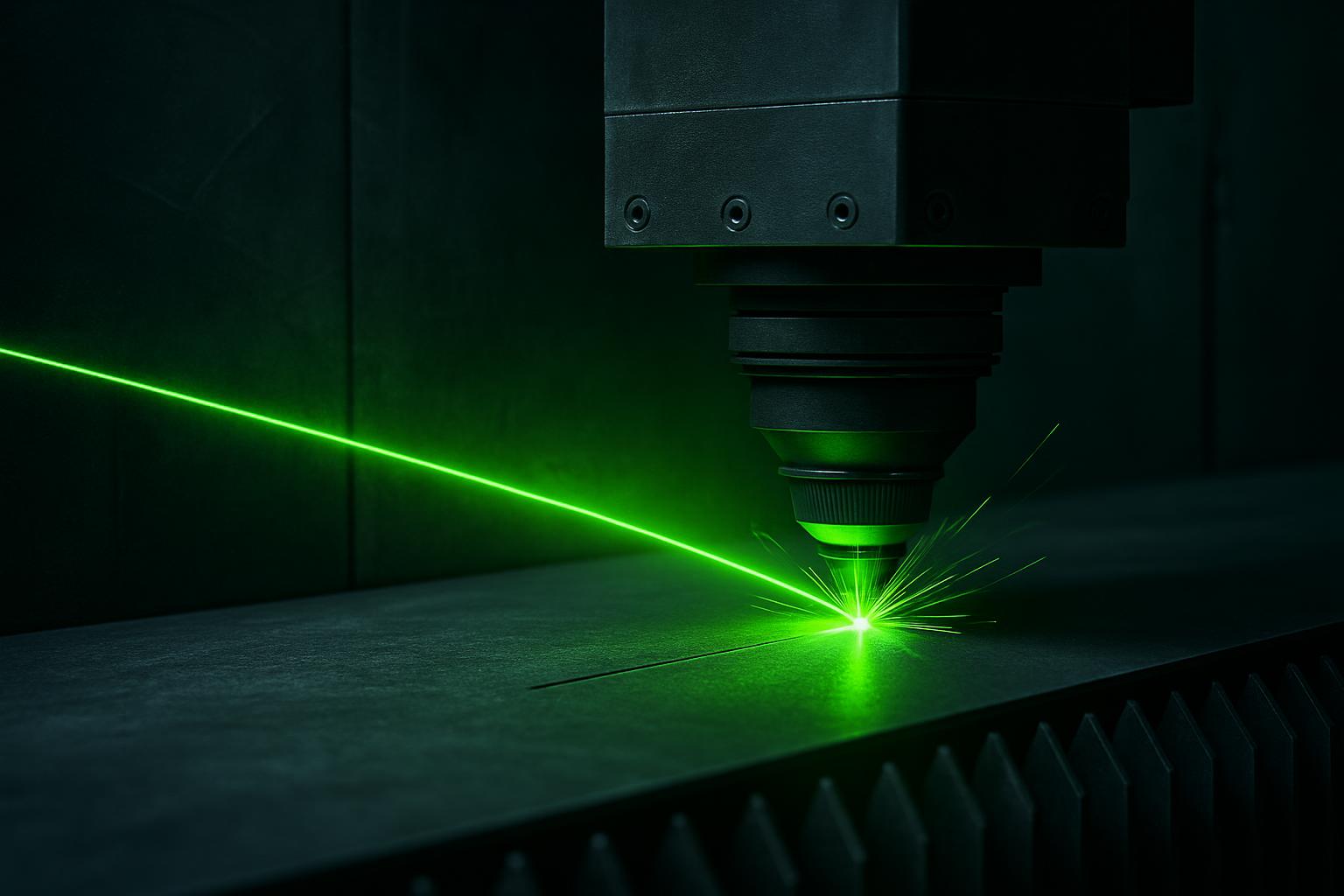
SheetNest Pro allowed the shop to lay out duct panels and reinforcements efficiently with minimum waste, while the CutLine 1500 gave clean, burr-free cuts that folded on the first try. We set up automatic kerf offsets and bend deductions based on their folding machinery and the types of galvanised and stainless steels they used. This reduced hand marking and the risk of error at the brake press.
- CutLine 1500 for sheet cutting
- SheetNest Pro for efficient nesting
- Sample cell review at Sunnyrock
- Duct-specific bend deductions programmed
- Support for both galvanised and stainless
Less rework and tighter fit on every install
After a few months, the shop reported far fewer duct leaks and almost no rework on folds. Installers found that panels joined up straight out of the crate, speeding up on-site assembly. Nesting software paid off by reducing offcut volume and making job costing easier. Weld prep was also simplified with consistent, oxide-free edges from nitrogen cutting for stainless jobs.
The new workflow meant fewer interruptions to run touch-up jobs or recut parts. Most importantly, the team built confidence that their fabricated ducts left the shop ready to fit, reducing follow-up trips to Centurion job sites.
Lessons for other HVAC fabrication shops
For any Gauteng shop fabricating HVAC ducting, starting with accurate nesting and clean laser cutting means fewer headaches at the folding stage and faster, cleaner installs. Make sure your nesting software reflects your bend deductions and material gauges. Always review sample parts before running a full batch, especially if you switch between material types or thicknesses.
Extraction and filtration should be set up for galvanised steel to meet the Regulations for Hazardous Chemical Agents. Use the right assist gas for your steel to avoid oxide build-up on the cut edge, which is critical before powder coating or on stainless ducting. And keep a close eye on your protective window under the laser head, as Highveld dust builds up quickly.
- Program bends and offsets for each gauge
- Extract and filter fume from galvanised
- Review samples before large runs
- Match assist gas to material for clean edges
- Clean the protective window daily
What our Fibre Laser customers say
Verified Google reviews