Project
Sunnyrock sample cell
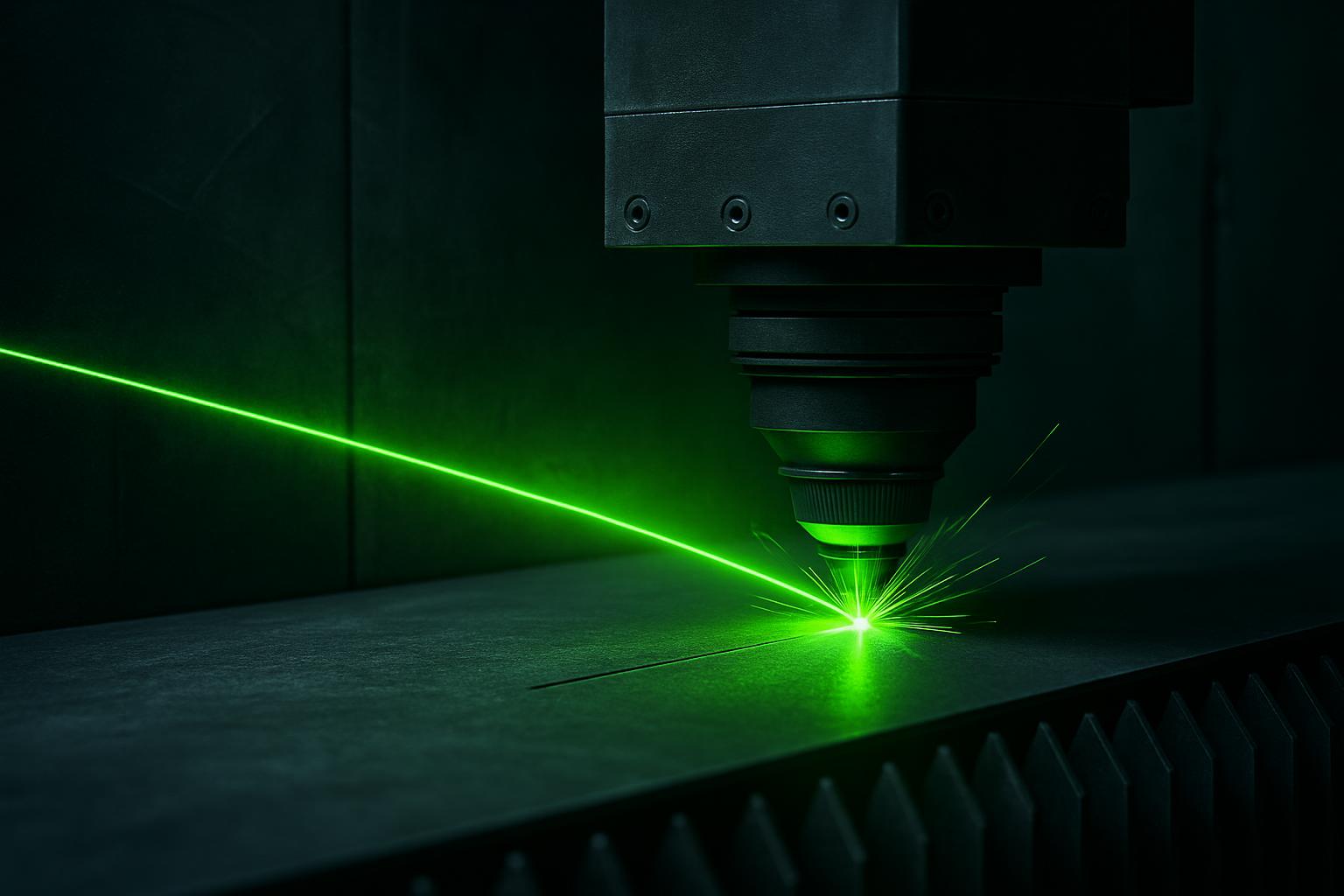
The Sunnyrock sample cell at HQ handles BeamDesk Mini estimate packs and practical marking trials for workshops needing fine, permanent metal ID work.
Related cut: prototype rd cells
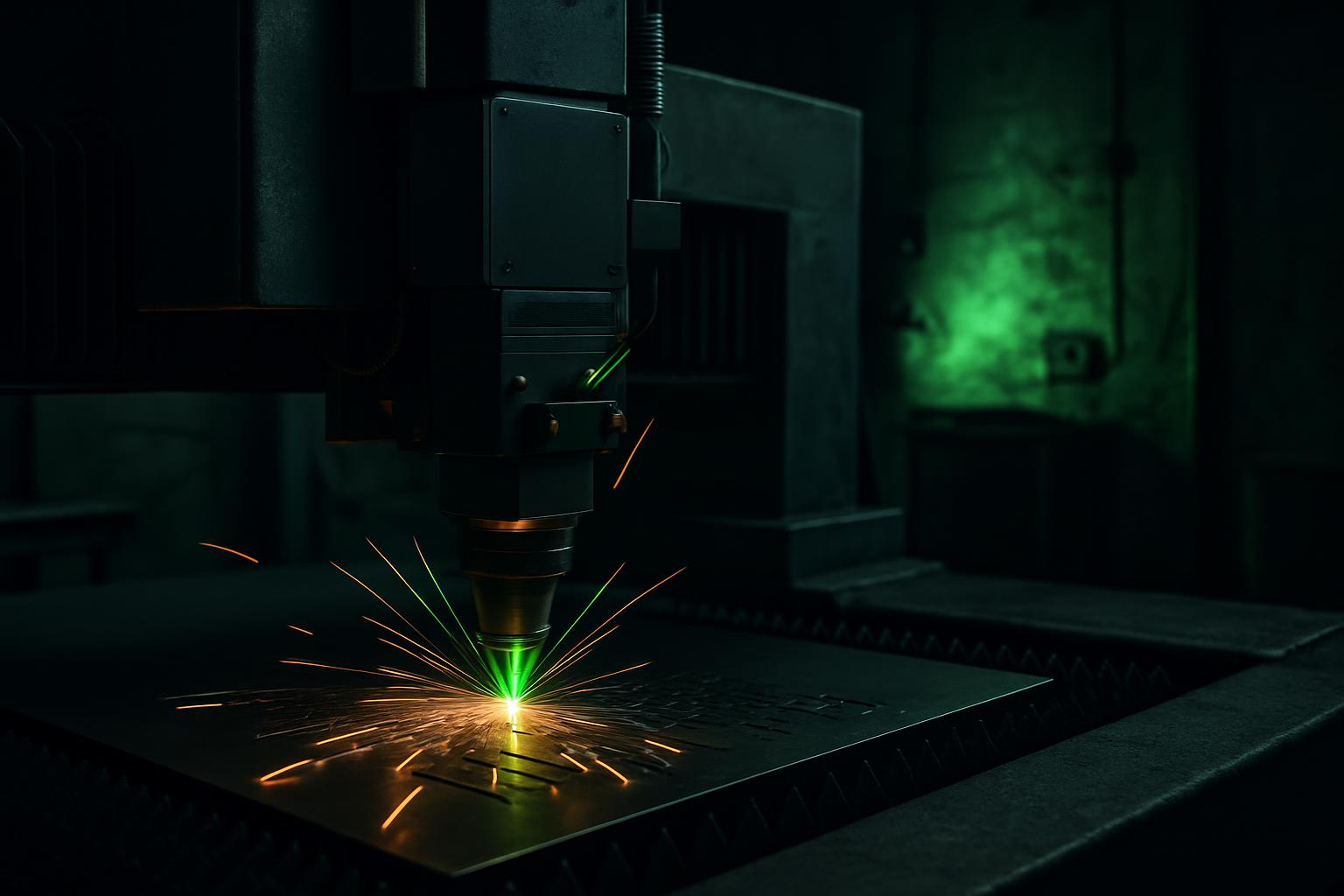
Running sample packs at Sunnyrock HQ
At our Sunnyrock HQ, the sample cell was set up for two reasons: to test BeamDesk Mini marking results on real customer parts, and to prepare estimate packs with the actual settings and cycle times needed on the shop floor. Many smaller workshops and engineering firms want to see a permanent mark or code on their own components before investing in a marker. The challenge is always to get a reliable mark on mixed metals, especially steel and aluminium, without damaging the surface or overburning anodising or fine detail.
Dust from the Highveld air is a daily nuisance at Sunnyrock: even with filtered extraction running, the cover glass on the marker can fog up quickly. The team has to check the protective window every morning, as a dirty window causes double lines or faded marks on stainless tags and can even crack if left too long.
Choosing BeamDesk Mini for marking trials
We recommended the BeamDesk Mini for its small size, low power use, and ability to handle both flat and curved samples. Its 20 W class fibre source is well-matched to most asset tags, cable markers, and stainless parts seen at our sample bench. For repeatable positioning, we fitted a simple adjustable jig to the worktable. By using original parts from the client, we could dial in the speed and frequency to avoid deep engraving on thin gauge or delicate items.
Our marking applications lead, Ms Firdous Bassier, ran first-article reviews to show exactly what the customer would get. The process includes checking laser safety eyewear (with the correct optical density for fibre lasers), confirming extraction is running, and making sure the cover slide and lens are clean before any trial. Extraction was upgraded with a HEPA fine filter to handle the zinc fume from galvanised samples.
- 20 W class source for most metals
- Compact benchtop footprint
- Fitted with sample jigs for repeat work
- Daily inspection of optics and window
Production experience after a few months
After a few months, the cell had handled over a dozen different material types, from mild steel washers to anodised aluminium plates and medical-grade stainless. The main lesson was that even small marking jobs can produce enough fine fume to coat the optics, so daily cleaning is non-negotiable. The daily check became second nature, though one day someone forgot to check the air flow gauge, and the filter clogged without warning, causing a faint mark on a brass part.
Having the actual marking cycle times logged in the estimate packs meant workshop owners could budget labour and plan batch runs with real data, not guesses. The hands-on trials also highlighted which jobs needed extra fixturing for repeat marks, especially on round or odd-shaped parts.
What other workshops can take from this project
For anyone bringing in a fibre laser marker like the BeamDesk Mini, it's critical to treat daily cleaning of optics and extraction as standard practice, not an extra. Workshops working with galvanised, brass or stainless will need a HEPA or fine-particle extractor, and must never cut or mark any PVC-coated material.
Trying out marking on real production parts before buying pays off. Use a practical jig to hold tricky shapes, check the window every day, and don't skip the fume extraction, even for small jobs. If you need tailored advice or want to run a sample, send us a message through our contact form and bring a few of your own test pieces.
- Test on real production parts before investing
- Daily cleaning of optics is essential
- Always use laser-rated eyewear
- Fit extraction with fine particle filters
- Bring your own parts for best results
What our Fibre Laser customers say
Verified Google reviews