Project
Stellenbosch medical IDs
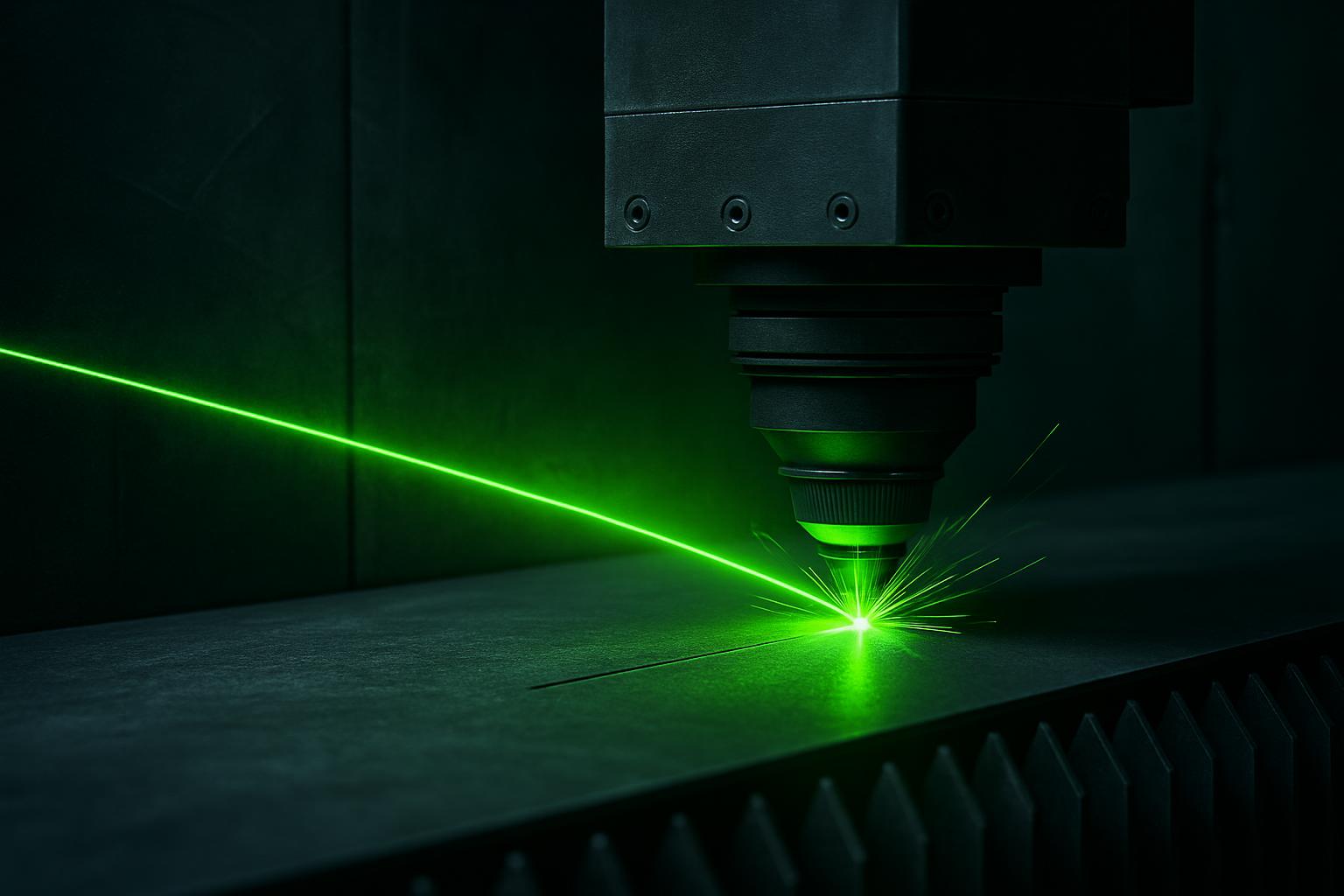
A precision job for a Stellenbosch medical instrument shop: marking stainless IDs on small parts at a clean bench, with clear traceability and zero rework.
Related cut: medical instrument marking
The shop needed precise, permanent ID marks on medical parts
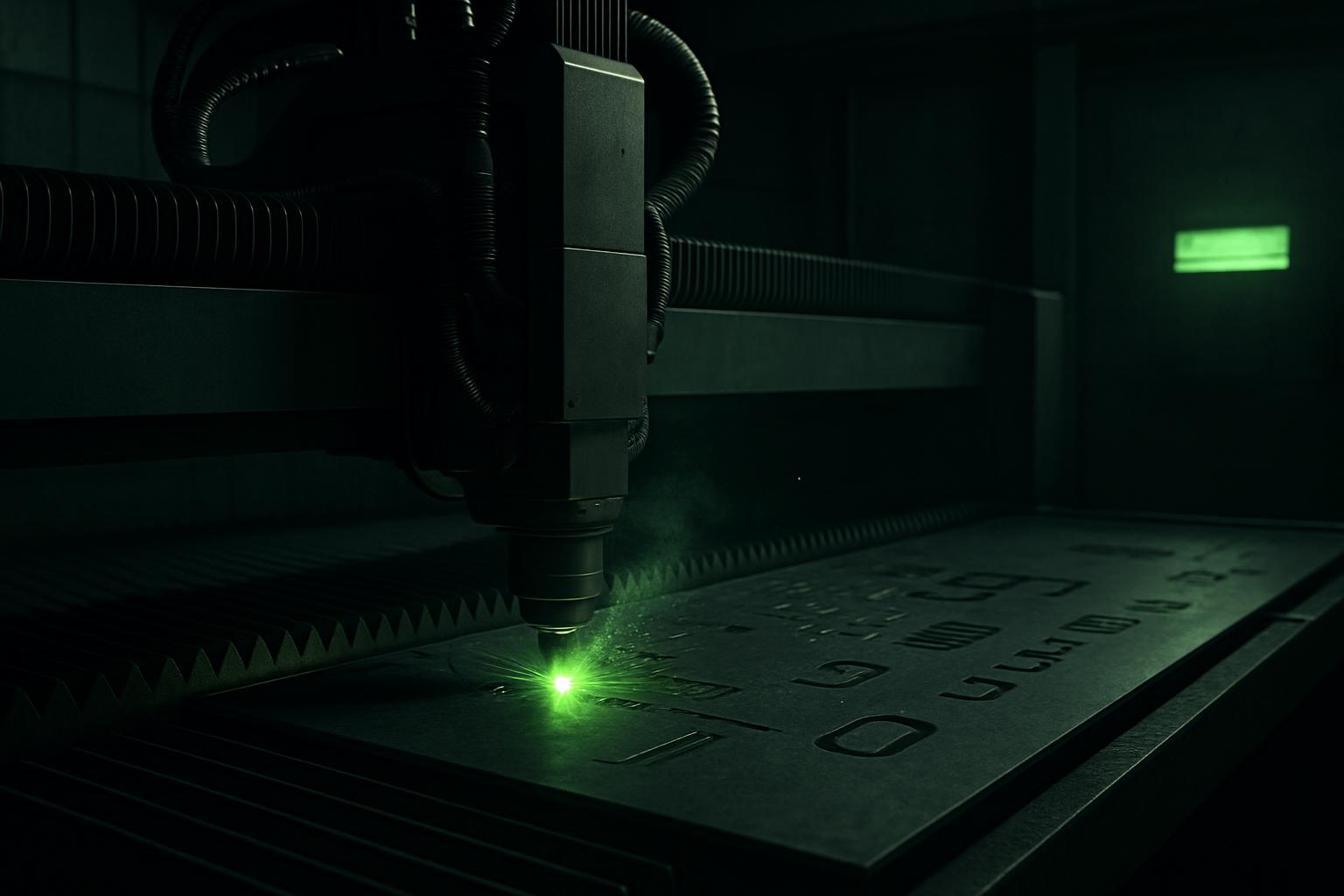
A specialist instrument shop in Stellenbosch needed to mark medical device IDs on stainless steel components. All work had to meet clean-bench standards and provide permanent traceability without damaging the surface or risking contamination. Previous attempts with hand stamps and basic engravers had left marks inconsistent, sometimes with burrs or oxide that failed quality checks.
The shop’s team wanted a process that kept the marking area free of dust and debris. They also needed machine-readable codes for tracking production batches, with marks that would not fade or corrode in cleaning cycles. With medical work, the smallest trace of heat tint or residue can mean scrapped parts or retesting.
We set up a fibre laser marking cell with fine controls
Our advice was to install a MicroMark Lab cell with a clean bench fixture, built for fine marking of small stainless parts. This system uses a 20 W class fibre marker, ideal for annealing marks that change the colour of the steel surface without removing material. Annealing makes a high-contrast, non-corrosive mark suitable for medical applications and avoids introducing micro-cracks or crevices.
To suit Stellenbosch’s cool, wet winter air, we specified a closed-loop chiller with dew point monitoring, preventing condensation on the optics during early-morning starts. Extraction was ducted through a HEPA filter to trap any fine dust or vapour. The marking cell was set up with a rotary axis for cylindrical handles and an adjustable jig for flat parts.
After a few months, marking was consistent and reworks stopped
Daily production settled quickly. The team found that the annealing setting kept the surface free of debris, so no extra cleaning was needed before sterilising. Data Matrix codes graded well and scanned first time, even on small curved surfaces. Operators reported less scrap and no failed marks under inspection.
Routine care became part of the daily start: checking the protective window for dust or fingerprints, confirming the chiller was at temperature, and running test codes on offcuts before shift. The workshop stopped needing third-party reworks, and production schedules became more predictable.
Lessons for other Western Cape shops marking medical parts
Fibre laser annealing works especially well for stainless medical components: it gives a durable, readable mark with no raised edge or contamination risk. In the Western Cape, humidity and temperature swings can cause condensation on optics, so invest in a chiller with proper controls and always bring the machine up to room temperature before marking.
Always use local exhaust with HEPA filtration, not only for compliance but to keep your clean bench genuinely clean. For traceability, choose a marking system that easily generates and grades Data Matrix codes, and train your team on daily checks before production.
- Choose annealing for medical-grade stainless marks
- Use a closed-loop chiller to manage coastal humidity
- Fit HEPA extraction at the marking cell
- Check the protective window and chiller daily
- Train operators to validate code readability on each batch
What our Fibre Laser customers say
Verified Google reviews