Project
Pretoria UID line
A Pretoria automotive line needed reliable, high-speed UID marking on both flat and round parts. We set up DualHead Mark and revised fixture flow for consistent takt and code grading.
Related cut: automotive brackets
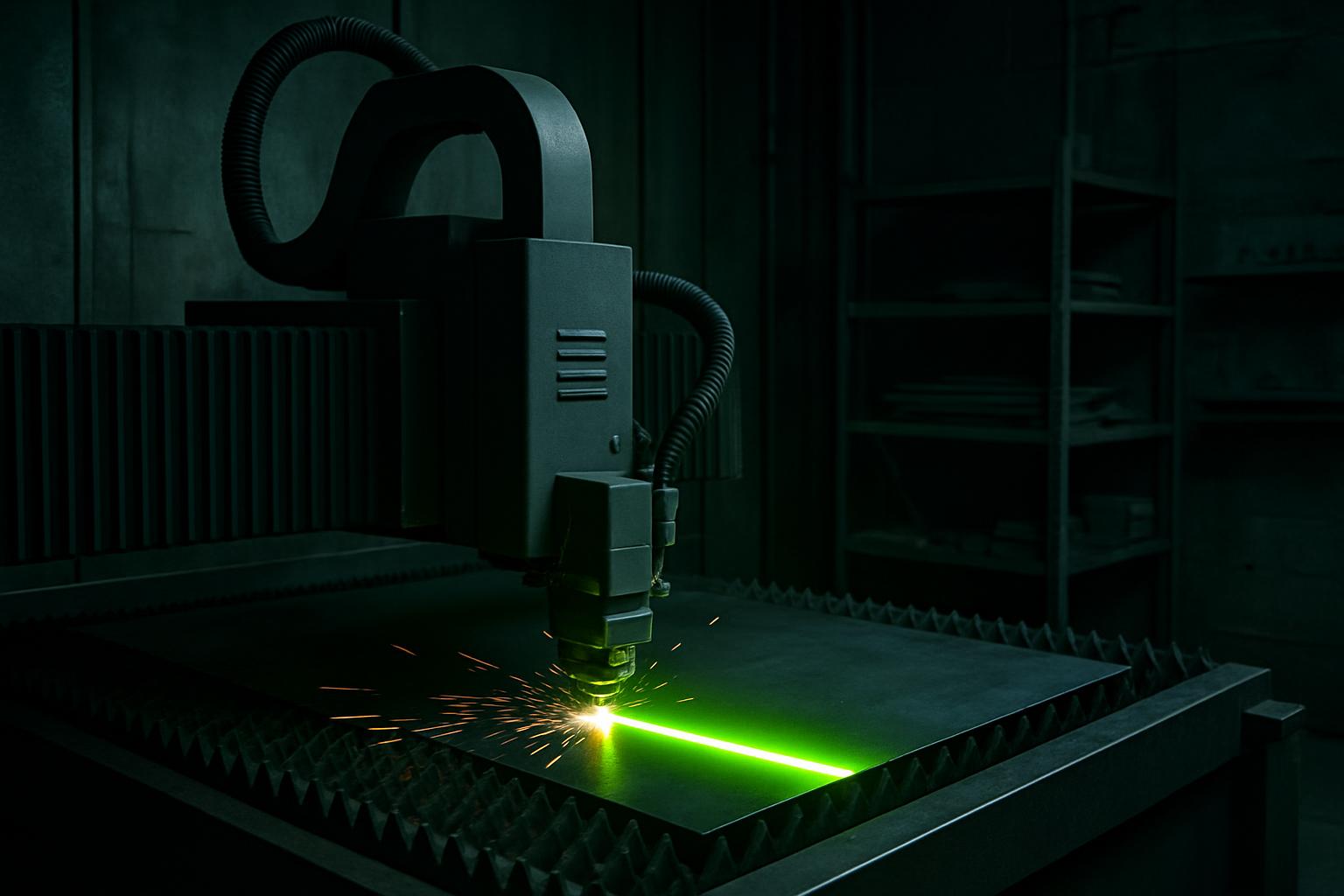
The Pretoria shop and the UID marking challenge
An automotive supplier in Pretoria needed to apply unique ID marks to both brackets and tubes moving through a semi-automated production line. Their old process, using hand-stamped tags and basic dot peen markers, was too slow and prone to errors. The client was under pressure to meet new traceability standards, needing crisp, scannable 2D codes directly on metal while keeping up with a tight takt time.
Pretoria’s dry winter air and constant dust from nearby projects made it hard to keep marker lenses and fixtures clean. Operators struggled with inconsistent part placement, which caused code grading failures and rework. An upgrade had to fit in a narrow work cell already crowded with conveyors and jigs.
DualHead Mark With Better Fixturing
We proposed the DualHead Mark system, pairing a flat head for brackets with a rotary head for tubes, all in one cell. This meant operators could switch between part types without changing machines or heads, saving space and reducing handling errors. Our team worked with their engineers to build a simple dual fixture, colour-coded for each part type and with positive location stops for repeatable placement.
For code quality, we set up recipes in the control panel based on the latest ISO/IEC TR 29158 grading. We trained the line leads in basic code verification using a handheld scanner and showed how to log exceptions if a mark failed. The cell was linked to their MES for batch traceability, and we advised on daily cover slide cleaning due to the dust.
- One DualHead Mark cell for flat and round components
- Colour-coded fixture stops for reliable part placement
- Scanning and grading checks at the bench
What changed after three months of running
After three months the line had fewer mark failures and almost no rework on UID marks. Operators were confident using the DualHead Mark cell and kept to the takt without overtime. The simple fixture swaps proved fast even for new staff and cleaning routines for the lens and window became part of the shift changeover.
Code graders from their quality team reported consistent results. Linking marking data to their MES gave the client a full traceability record for every part, which made audits easier and reduced disputes with buyers about component origin and batch IDs.
Lessons for other South African automotive workshops
A dual-head marker with well-designed fixtures can solve both speed and code quality problems when you are marking different part profiles in one cell. Keeping operator routines simple and dependable, especially for cleaning optics and fixtures in a dusty Gauteng shop, is as important as the laser setup itself.
If you are in automotive or general manufacturing and need UID marks on a line, invest in clear fixture cues, basic code verification, and regular lens care. A small project to sort these out pays off in traceability and avoids the scramble of last-minute rework.
- Mix of flat and round marking in a single cell
- Keep fixtures simple and easy to clean
- Routine code checks protect against traceability problems
What our Fibre Laser customers say
Verified Google reviews