Project
Polokwane field marking
Marking mining and plant assets near Polokwane meant running FieldMark kits from generators and inverters, dealing with power dips, dust and site safety requirements.
Related cut: mining wear parts
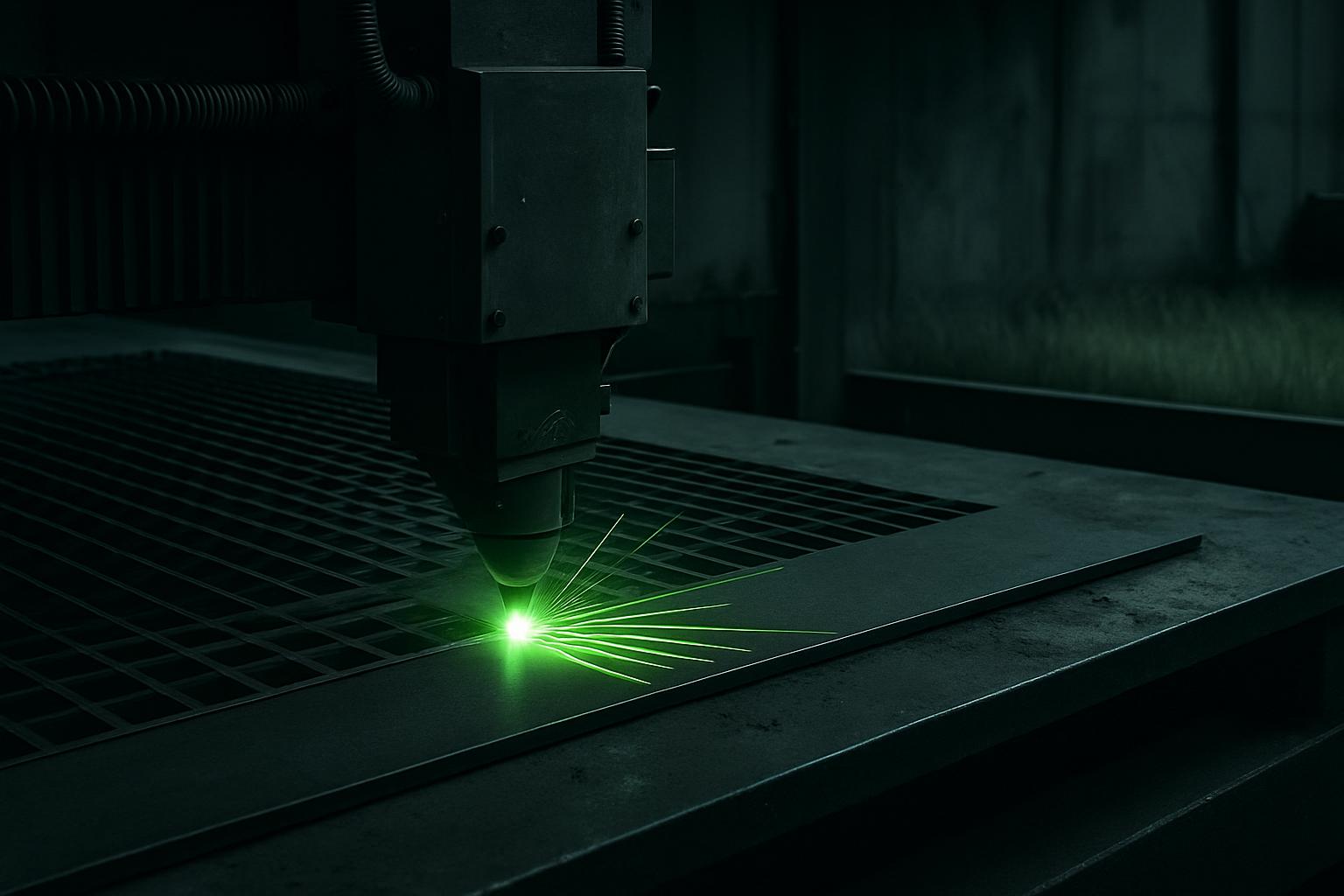
Asset marking in rural and mining yards
A number of mining and agricultural workshops around Polokwane needed durable asset tags and traceability marks on plant, pumps and spares. Most sites lacked stable mains supply and ran off diesel generators or inverter battery packs, especially during power cuts or when working on remote sections.
Bringing traditional benchtop marking gear was not practical. The shops also had to meet site safety checks and work in dusty, open yards where moving equipment between points was the norm. Asset registers and maintenance teams required scannable marks that could be read years later, withstanding weather and handling.
FieldMark Portable set up for variable site power
We recommended the FieldMark Portable kit for these conditions: a compact, 230 V fibre laser marking cell with rugged carry case, fume extraction, and quick clamps for tagging anything from steel to aluminium. Its low power draw meant it could run from a decent inverter or small generator when grid power was not available.
To avoid downtime, we checked each site’s supply with a plug-in tester, and supplied surge protection and a UPS for the controller. Operators were trained on using laser safety eyewear rated for fibre wavelength, and on marking both bare metal and painted or anodised parts. Setting up local extraction avoided dust and fume build-up.
- Surge protection and UPS for the controller
- Laser eyewear for fibre (not CO2) wavelength
- Quick clamps for odd-shaped parts
- Plug-in supply tester for site checks
Results after months in the field
After several months, the kits held up well, with minimal downtime even on rough site power. Most issues came from dirty optics or blocked fume filters, both quickly sorted on regular maintenance rounds. The permanent marks on equipment and spares stood up well to rain and handling.
The ability to move the marking kit between workshops, in the yard or out to the mining face meant fewer bottlenecks and less waiting for a fixed marking bench. Operators valued the simple changeover between flat and curved work, and the FieldMark’s local extraction kept the marking area clear and safer.
Advice for marking on site power around Polokwane
For any workshop marking assets where grid power is unreliable, a portable fibre marker like FieldMark makes the job safer and faster. Always test the site supply before plugging in, use a UPS for the controls, and check the laser’s protective window and extraction filters daily.
In dry, dusty regions like around Polokwane, regular cleaning of optics and fans avoids most faults. Train operators on the difference between fibre and CO2 laser safety gear. For mining and plant, wear-resistant engraved marks outlast stickers and paints, especially in the field.
- Test power sources before use
- Daily checks on optics and filters
- Use correct laser safety eyewear
- Plan for local dust and weather
What our Fibre Laser customers say
Verified Google reviews