Project
Germiston toolroom IDs
A Germiston toolroom needed lasting, readable ID marks on tool racks and die sets. We recommended deep engraving with the EngraveFab 50 for durable, clear identification.
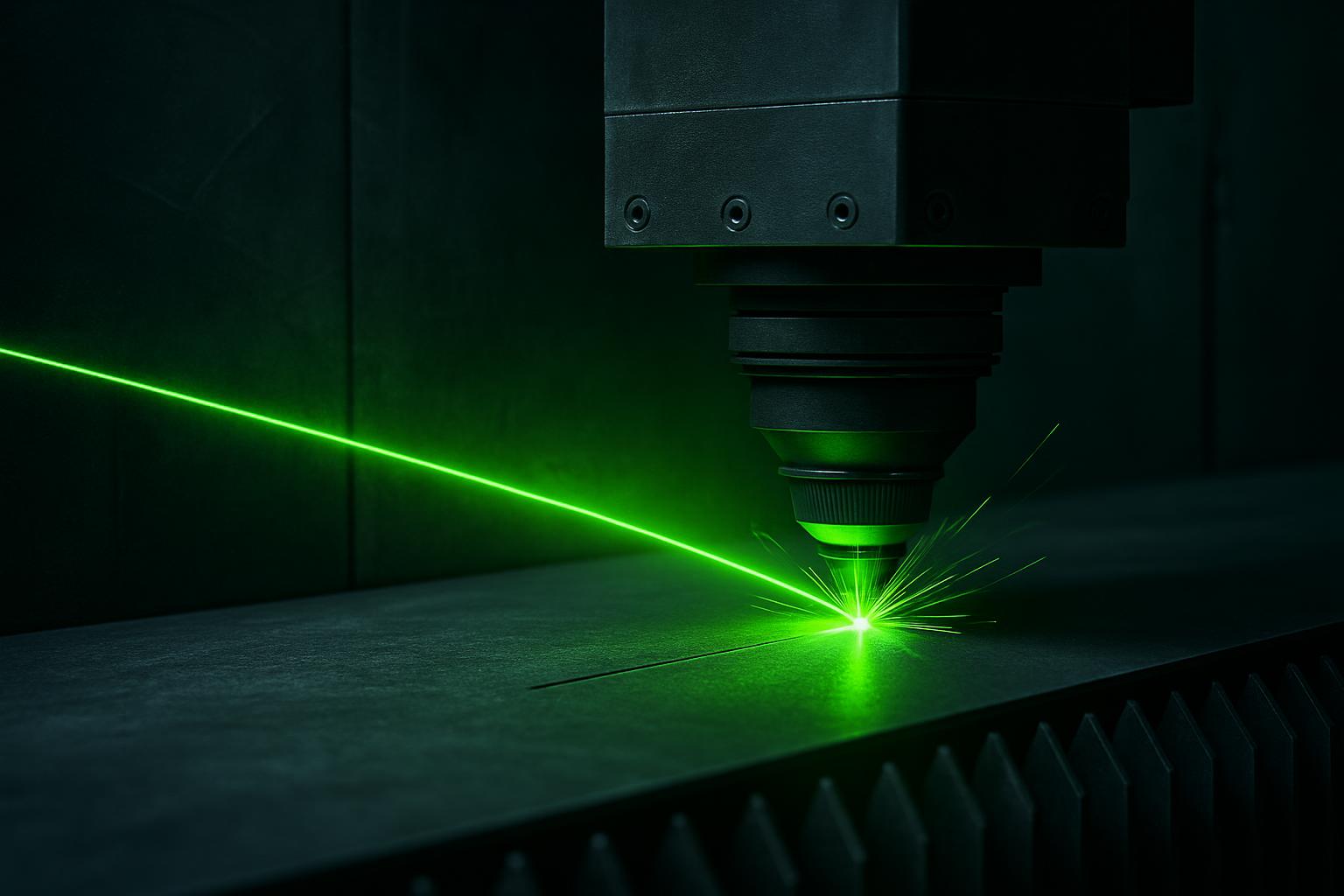
Related cut: tool die marking
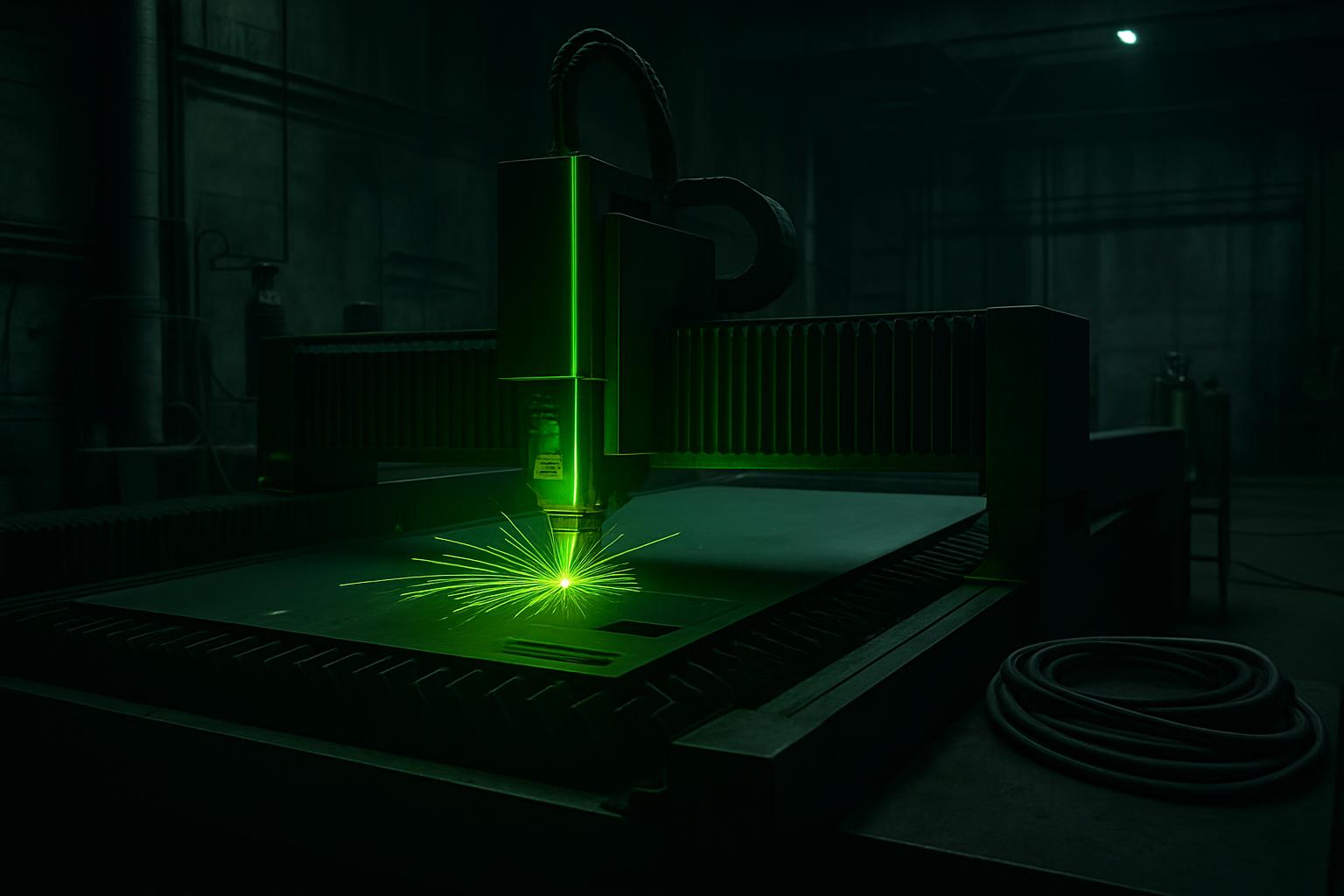
The toolroom’s ID marking problem
The toolroom in Germiston handles a high mix of dies, jigs and spares for a local fabrication plant. Their main issue was rapid wear and poor readability of hand-stamped and inked identification marks on tool racks and die sets. Tool swaps during shift changes made it easy to misplace or misidentify parts, especially when marks faded or got obscured with grease and handling.
Maintenance staff noted that re-marking tools or racks every few months was disruptive and did not hold up to the solvents and cleaning routines used between jobs. The toolroom manager wanted a marking method that would last through regular use, cleaning and occasional knocks.
Our recommendation and installation approach
We suggested the EngraveFab 50 fibre laser system. Unlike surface marking or paint, deep engraving with a 50 W class source produces a mark that stays readable even after cleaning, abrasion or light surface rust. For this shop, we set up a flexible bench cell, allowing toolroom staff to mark both flat rack plates and curved die surfaces.
The system was installed at a practical workbench position, close to the main tool rack for easy access but protected from the main traffic and dust of the shop. We provided on-site training, focusing on safe operation, tool fixturing and routine cleaning of the protective window. To manage workshop safety requirements, we helped the team prepare their site safety file and guided them through the Radiation Control licensing process.
- EngraveFab 50 deep engraving system
- Custom bench setup for toolroom parts
- On-site safety and operator training
- Radiation Control use licensing support
Results after a few months of service
After several months of regular use, the engraved IDs on rack plates and die sets remained sharp and easy to read. Operators said the marks withstood degreasing, hand cleaning and minor knocks without losing clarity. This reduced the time spent searching for the right tools during busy shifts.
The toolroom improved their tracking of assets and reduced mix-ups during shift changeovers. The team also reported fewer trips to the marking station, since they no longer had to re-mark faded tools. The supervisor now assigns batch engraving jobs at the start of every tooling cycle, using a simple fixture to align parts in the cell.
Advice for other toolrooms and shops
For workshops dealing with similar conditions, deep fibre engraving is a practical way to create lasting IDs that survive cleaning and everyday wear. It is important to involve the staff who actually handle the tools in setting up marking routines and fixtures, this keeps the process practical and efficient.
Always check the protective window under the laser head daily, especially in high-dust areas like Germiston. Regular cleaning makes a big difference to cut and mark quality. Make sure your team understands site licensing and safety responsibilities for using Class 4 lasers, and organise your workbench for quick, repeatable setups.
- Go for deep engraving on parts that see regular handling
- Include operators in fixture design and marking routines
- Keep the protective window clean for best results
- Follow safety requirements for Class 4 laser use
What our Fibre Laser customers say
Verified Google reviews