Project
Durban kitchen stainless
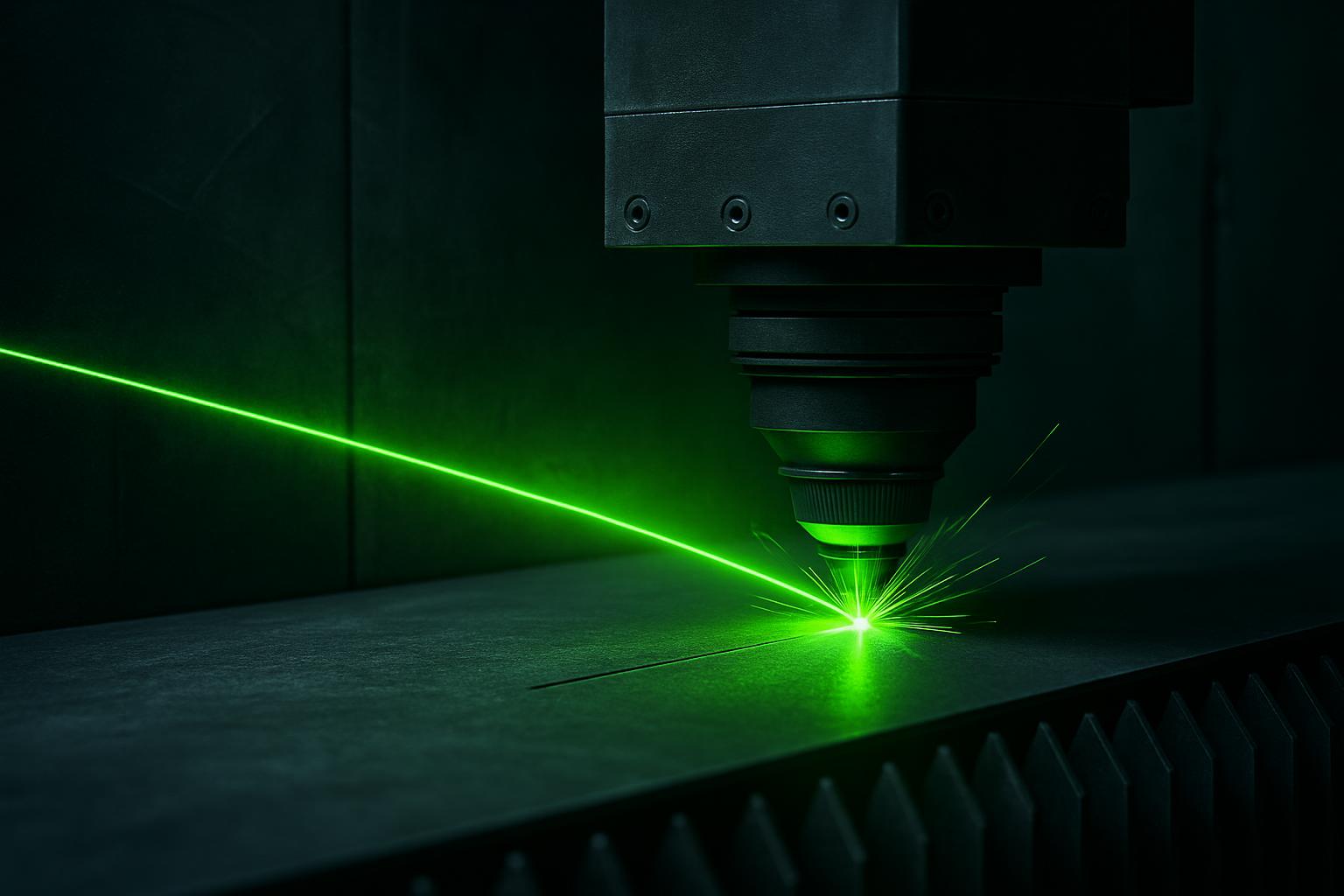
A Durban stainless kitchen fabricator needed help with precision cutting in constant high humidity. We advised on stainless grades, assist gases and daily routines to keep production reliable.
Related cut: stainless kitchen
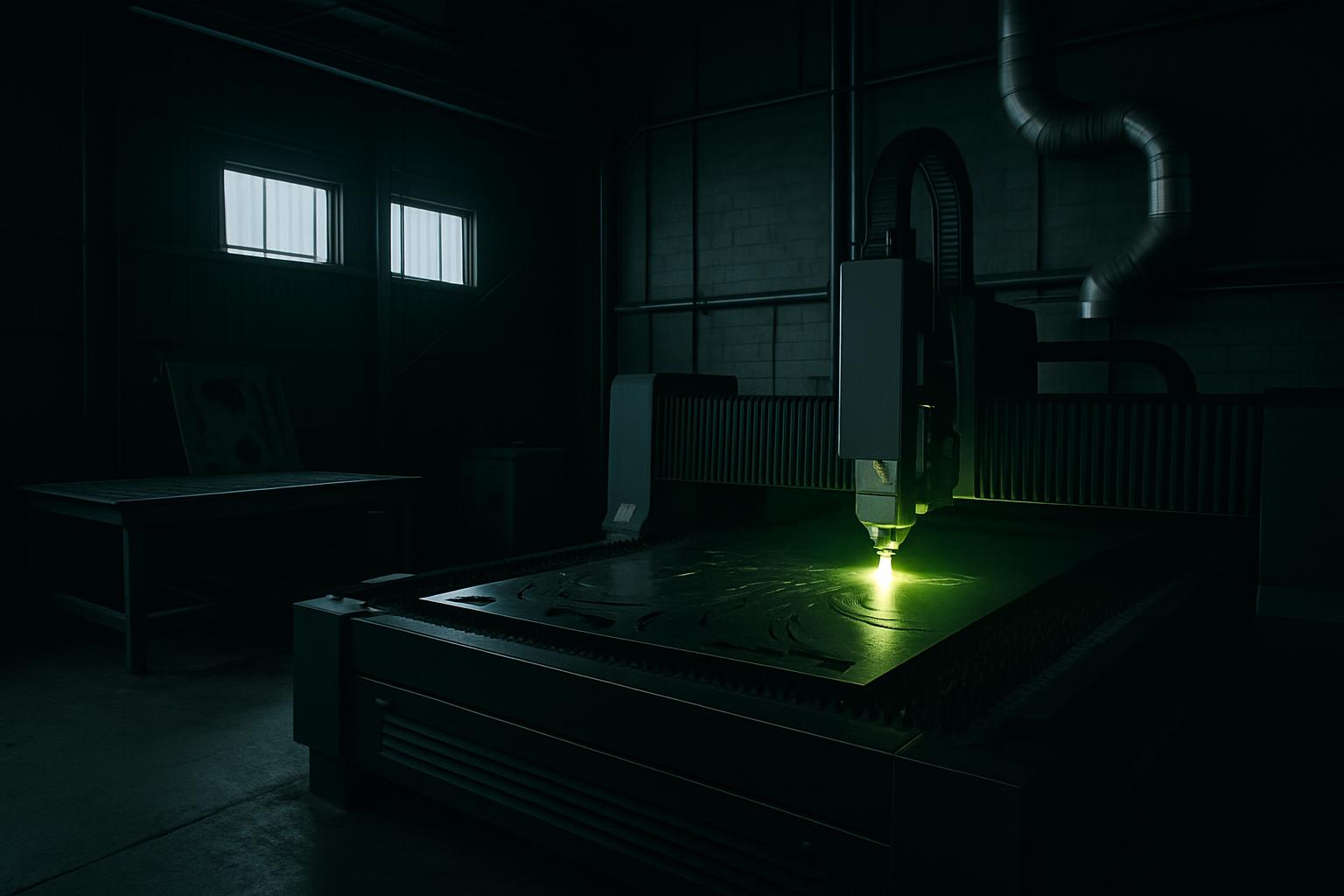
The Durban kitchen fab and its coastal challenges
A busy kitchen equipment fabricator near Westville handles stainless sheet and tube for restaurants and food production on the humid KZN coast. Constant moisture in the air means every machine and part faces salt air, sticky fingers and quick surface corrosion if the right grade or routine is skipped.
They had already moved to fibre laser cutting for accuracy and clean edges, but small rust spots on 304 stainless, plus trouble with painted edges peeling after powder coating, kept coming up. Their workshop also saw more downtime from chiller alarms and water on optics than their inland branch.
Adapting fibre laser cutting for coastal stainless
We visited to review their process. The first step was looking at grade: we highlighted the value of 316 for kitchen tops, sinks and exposed surfaces, as it handles coastal chlorides far better than 304. For hidden brackets, 304 stayed an option to keep material costs in check.
On the CutLine 1500, we set the nest brief to use nitrogen as assist gas on all visible edges. This stops oxide scale from forming during the cut, leaving a bright edge that powder coating sticks to properly. For brackets and hidden welds, oxygen was still used, but any oxide was removed before painting.
- Switch to 316 stainless where exposed
- Nitrogen assist gas for visible cuts
- Daily chiller and optic checks in humid weather
- Routine oxide removal before coating
Production after the changes
A few months later, the change to 316 on visible kitchen products paid off. Customers stopped reporting brown spots near welds and powder-coated parts passed salt spray checks with no peeling. Nitrogen cut edges meant less prep time before finishing.
Chiller and optics routines also settled. Staff now check for condensation on the lens and chiller pipes every morning, especially after a cold front or storm. Air filters on the extractor and chiller both get changed more often than in Gauteng or Cape Town, since Durban dust is so fine and sticky.
What other South African shops can learn
If you cut and finish stainless in a humid coastal city, the grade and finishing routine matter more than they do inland. Fibre lasers cut 316 just as quickly as 304, but you must protect the finished edge from both salt and oxide.
Using nitrogen for critical kitchen and architectural work cuts down post-processing and coating failures. Always check your chiller, extraction and optics daily when the weather is humid or after rain.
Never laser PVC or painted parts with unknown coatings, as fumes can corrode the machine and harm staff. Local exhaust extraction is essential for stainless and galvanised, as both make hazardous fume.
- Choose 316 over 304 for coastal kitchens
- Use nitrogen assist for visible cuts
- Check optics and chillers daily in humid areas
- Plan extraction for zinc and chromium fume
- Remove all oxide before coating stainless
What our Fibre Laser customers say
Verified Google reviews