Material
Wear plate
Wear plate takes precision marking and cutting on fibre lasers, but needs careful setup for consistent results. We help mining and maintenance teams get reliable marks on site or in cell.
How wear plate responds to fibre laser cutting and marking
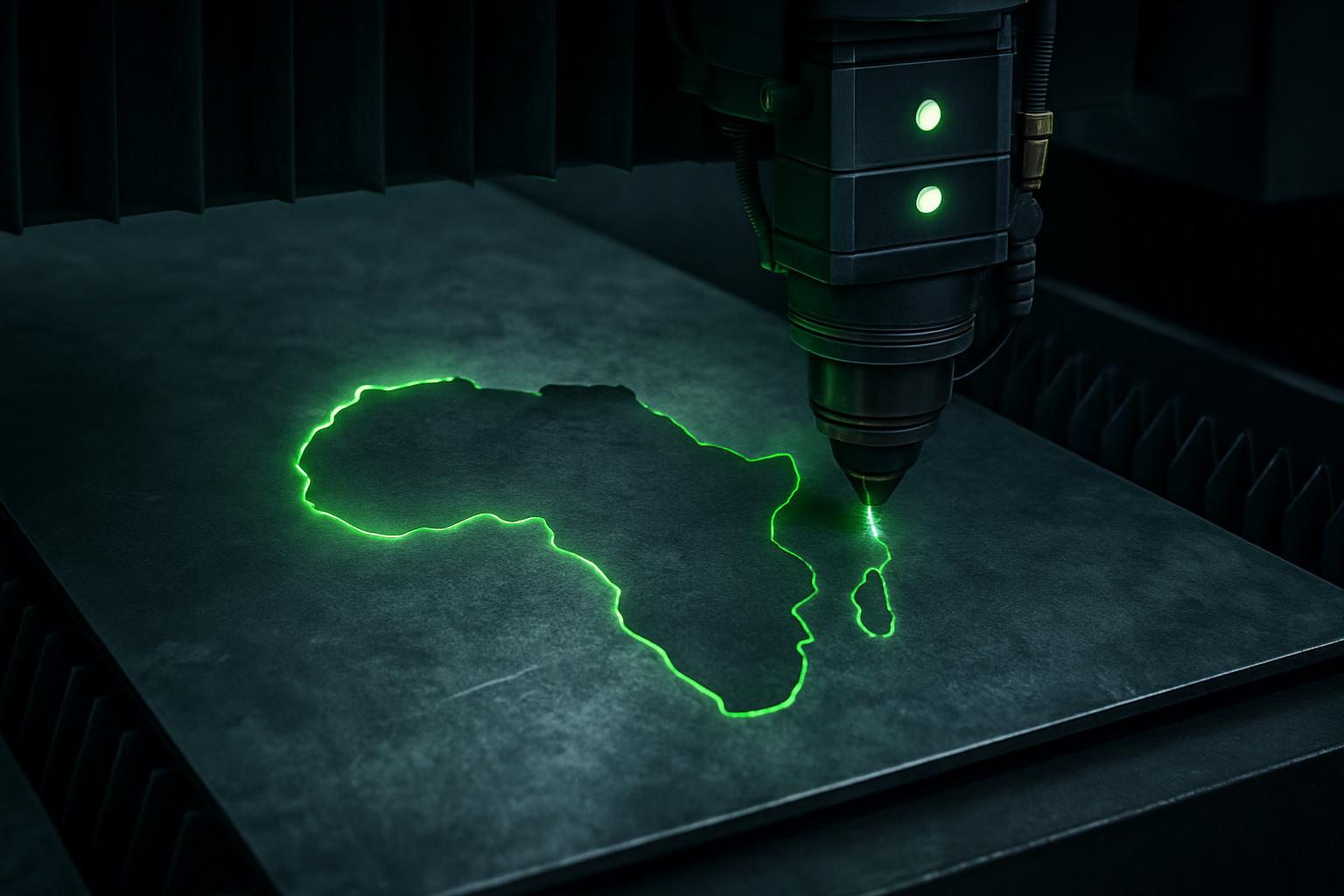
Wear plate, used for chutes, liners and screens in mining, often comes in hard, abrasion-resistant grades with tough surface coatings. Fibre lasers handle these plates better than CO2 machines, especially on reflective or higher-alloy variants, but the cut or mark can vary depending on plate chemistry, surface finish and thickness.
Cutting wear plate with a fibre laser produces clean edges with minimal heat-affected zone compared to plasma or oxyfuel methods. For marking, expect more contrast and depth than with engraving on mild steel, but some grades respond better to higher-energy settings or slower speeds to achieve permanent, legible marks.
Assist gas and mark method choices for best results
Choose nitrogen as your assist gas for wear plate cutting if you want a bright, oxide-free edge, especially for plates that will be welded, painted or used in corrosive environments. Oxygen is an option if speed is the main concern, but it will leave an oxide layer that should be removed before further finishing. Clean, dry, oil-free compressed air works on thin sections if edge quality is less critical.
For marking, deep engraving creates durable identification that resists abrasion in service. Ablation can remove paint or coatings for asset tags. If you need high contrast without depth, test annealing on stainless-based wear plate, but note that some coatings reduce contrast and durability.
Preparation, storage and handling tips for South African workshops
Wear plate storage and prep affect your laser results more than with standard steels. Dust, rust or protective films can interfere with both cutting and marking. Keep plates in a dry, covered area and handle with gloves to avoid surface contamination.
Before lasering, check for and remove oil, scale or old paint at the cut or mark site. In humid regions like Durban or along the KZN coast, condensation can cause corrosion if plates are left uncovered. In the Highveld, dust must be wiped off daily to protect optics and maintain cut quality.
- Store plates indoors, off bare concrete
- Wipe surface dust and moisture before use
- Remove protective films just before lasering
- Mark plate origin and grade clearly for traceability
- Check coatings for fumes before cutting or marking
Fibre laser systems that suit wear plate and why we sample first
The PlateGate XL cell is best suited for thick or heavy wear plate, offering the bed size and safety features needed for mining plates and wear liners. For asset marking and serialising on site, FieldMark Portable handles large plates or in situ equipment without moving heavy parts into a cell.
We always recommend running your own sample at Sunnyrock HQ with our applications team before starting production. Different wear plate batches vary in alloy and coating, affecting cut quality and mark contrast. Sampling lets us refine parameters for your actual plate, ensuring you get reliable results with the right gas, settings and safety.
What our Fibre Laser customers say
Verified Google reviews