Beam notes
Pierce windows on thick plate
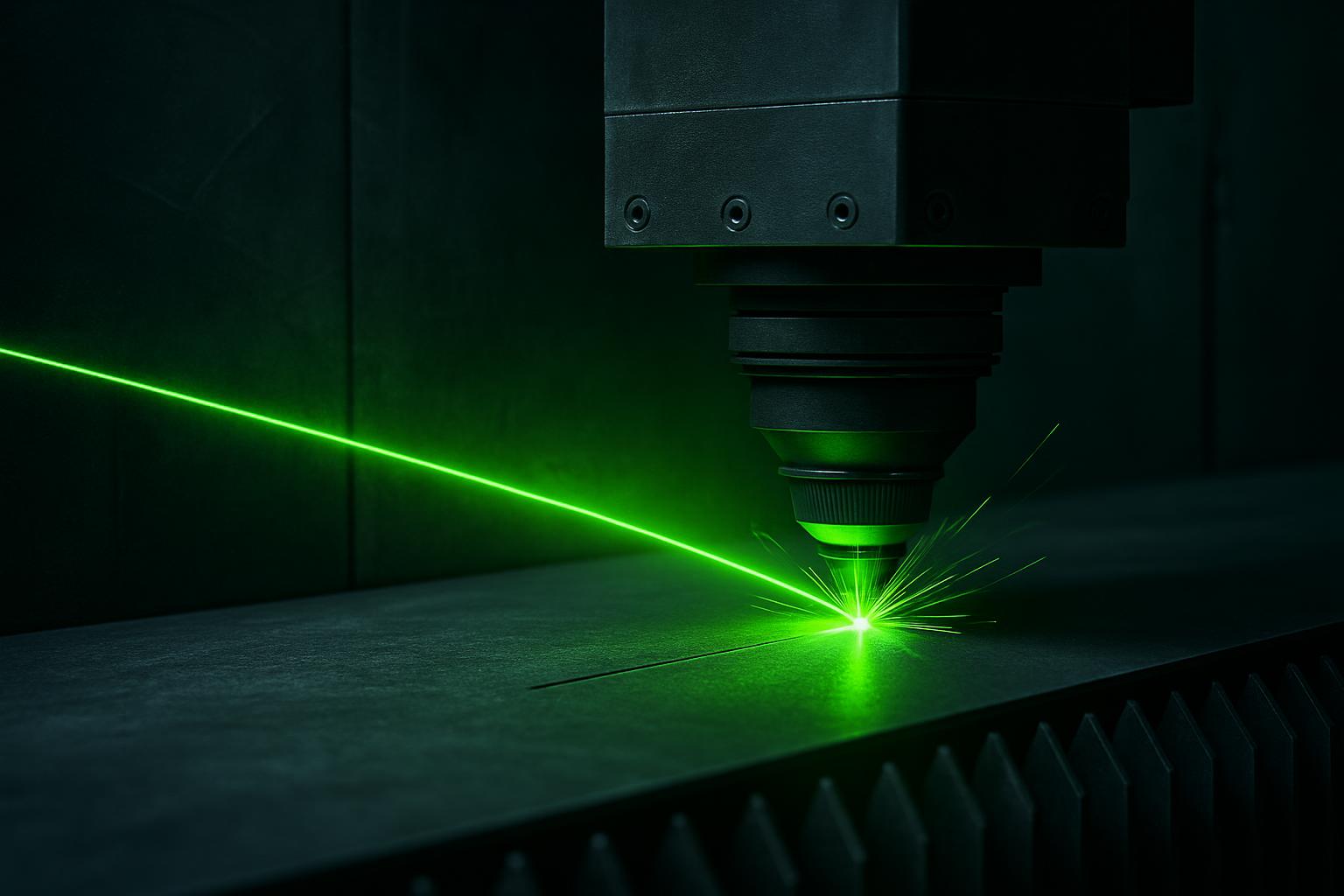
Piercing thick plate on PlateGate XL needs precise timing and good setup, or the pierce window will scorch the nest and waste expensive material.
The real risk with piercing thick plate
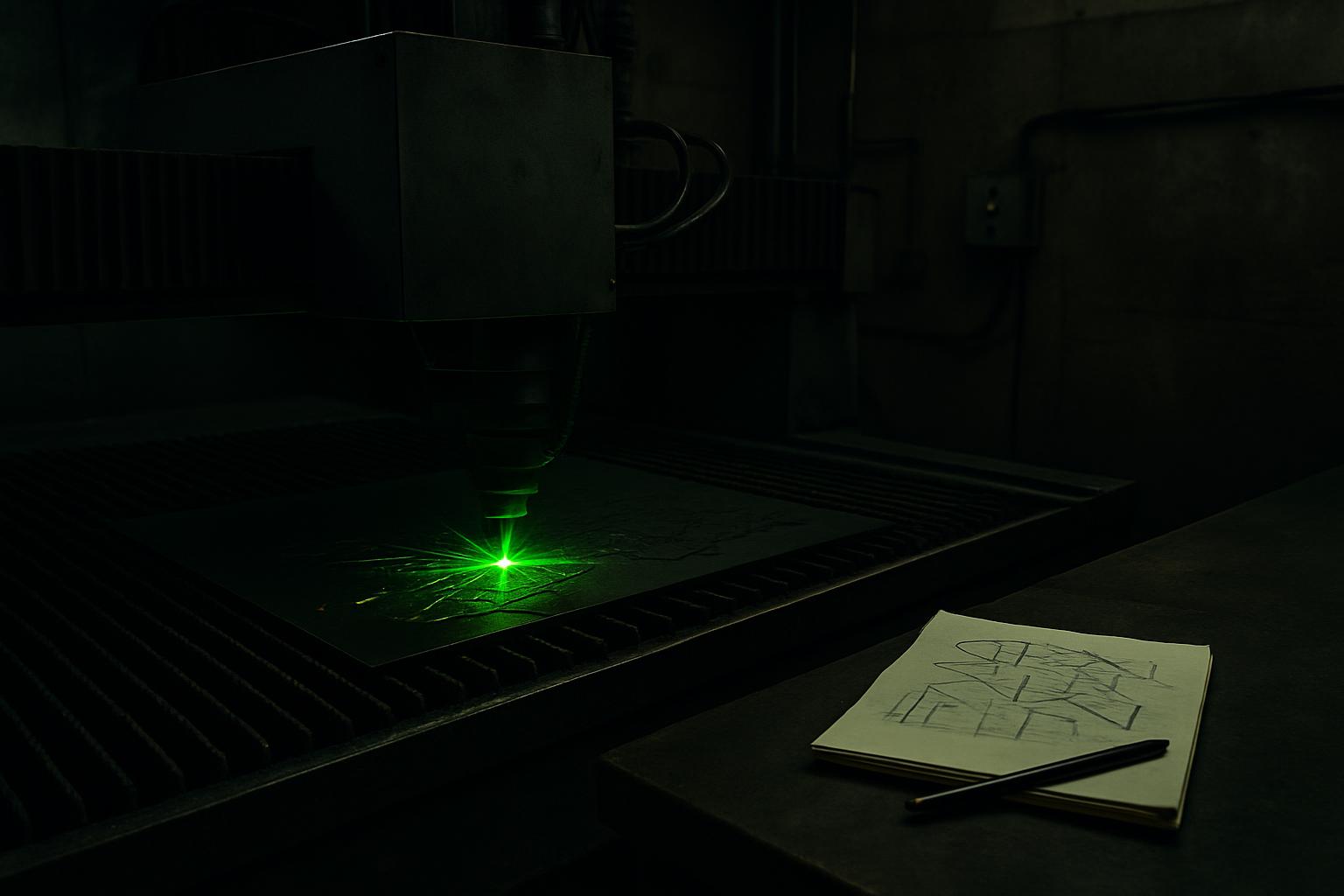
Piercing heavy plate is always a balancing act. Too long on the pierce and you get a big, burnt crater that ruins the nest layout or cooks the edge. Too short and you risk incomplete cuts that need grinding or even a re-run. With PlateGate XL, we see this most on 12 mm and up, especially on abrasive or alloy steels.
The real challenge is that every second of over-piercing on thick stock raises cost: wasted plate, extra cleanup, and sometimes a warped part. The pierce window, that first hole before the cut path, has to be just enough to let the beam break through, without spreading heat further than needed.
What our tests and installs have shown
We have run PlateGate XL at dozens of local workshops, from mining spares in Germiston to wear plates in KZN. The best results come from setting pierce time and power just for the plate at hand. A long, high-power pierce creates a heat-affected zone around the window, especially if the plate is rusty or painted. A short, clever pierce with the right gas keeps edges sharp and avoids melting the nest into one lump.
Stainless and aluminium need extra care: they reflect much of the beam at first, so the pierce must be set to break through clean, with a focus check. On mild steel, using oxygen as assist gas helps the pierce chemically, but leaves an oxide layer. For jobs needing clean edges for welding or coating, nitrogen is safer, but it uses more gas at higher pressure.
A story from a Highveld job
Not long ago, a fabrication shop in Boksburg brought in a 20 mm plate job for mining wear parts. Their first run used a generic pierce setting, and the plate came out with burnt nests and heavy slag. The powder coating team complained the oxide stuck fast and needed grinding.
We worked with their operator to tune the pierce time down, increased the nitrogen pressure slightly, and checked the focus height and protective window for dust. The next batch came out clean, with sharp nests and less time on post-processing.
Steps for cleaner pierce windows on thick plate
To get the best pierce windows and protect your nests, run through these checks before every thick plate job. Small details at setup save thousands in scrap and rework.
- Match pierce time and power to plate type and thickness, not only the part drawing
- Clean rust and paint from the pierce area for a faster, cleaner breakthrough
- Pick assist gas for the end use: oxygen for fast mild steel cuts, nitrogen for clean edges
- Check and clean the protective window under the head daily
- Watch for plate warpage and clamp heavy plate flat before starting
- Test a single pierce on scrap from the same batch
When to call us for support
If you see burnt nests, stuck parts, dross that will not chip off, or overheating near the pierce, send us a message through our contact form with your city and system. We can help review your settings, check your chiller and gas supply, or recommend a first-article run at Sunnyrock HQ.
For new materials, large plates, or upgrades to PlateGate XL, our team can help in person, including a safety review under OHS and Radiation Control. Never cut blind: we are here to keep your shop sharp, safe and productive.